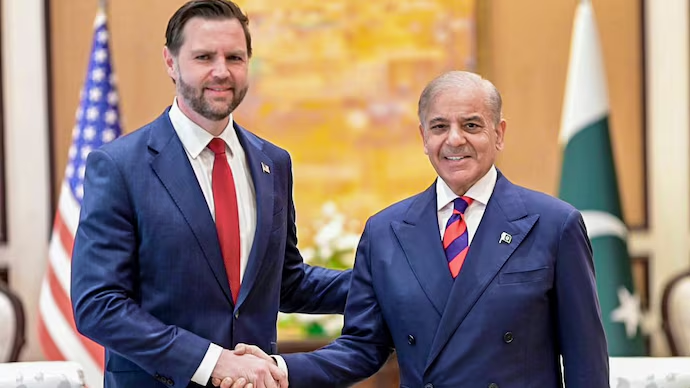
Pakistan found itself facing fresh embarrassment after US Vice President JD Vance linked delays in releasing details of the US-Iran peace agreement to differences in press freedom standards. Speaking on the podcast “Interesting Times with Ross Douthat”, Vance said the United States wanted to publish the text of the memorandum of understanding earlier, but there were differing expectations among the countries involved in the negotiations.
According to Vance, Pakistan and Qatar do not share the same traditions of press freedom and public scrutiny as the United States. He noted that Americans expect major agreements to be available for public examination and analysis, a practice rooted in the First Amendment protections for free speech and a free press.

The comments came after the Trump administration released the full text of the US-Iran agreement two days after announcing the interim deal. The delay had triggered criticism from Democrats and speculation that Washington was withholding details due to concessions made to Tehran.
Vance also defended the agreement, highlighting Iran’s commitment to dilute its enriched uranium stockpile in exchange for economic relief. He argued that the arrangement was stronger than the 2015 Iran nuclear deal negotiated during Barack Obama’s presidency.
The remarks have renewed attention on Pakistan’s press freedom record. The country ranks 153rd out of 180 nations in the World Press Freedom Index and has faced criticism from rights groups over restrictions on media independence. The controversy adds to Pakistan’s diplomatic discomfort after plans for a Switzerland signing ceremony failed to materialise, with the agreement instead being signed digitally by US President Donald Trump and Iranian President Masoud Pezeshkian.