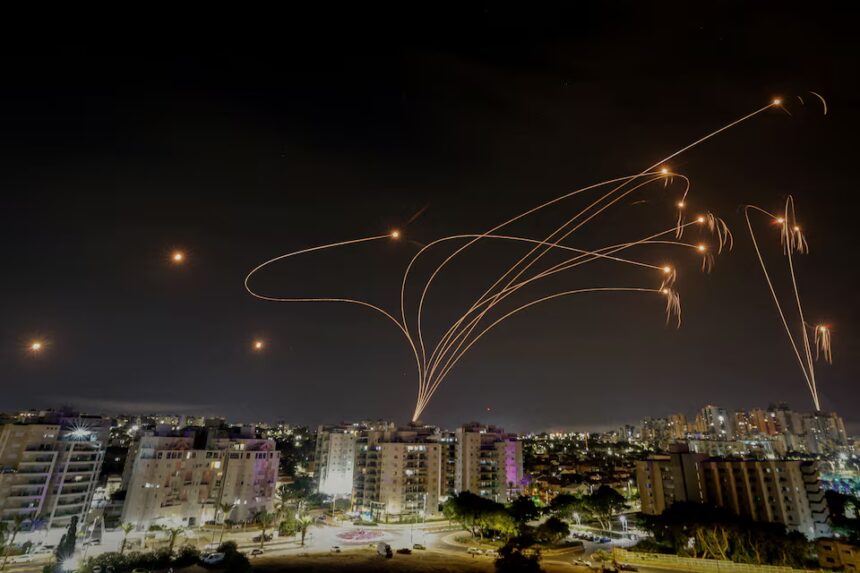
With tensions between Israel and Iran now out in the open, the long-shadowed confrontation between the two regional rivals has entered a dangerous phase, with nearly a week of heavy fighting underway. Both countries have exchanged missile and drone strikes, raising fears of a wider Middle East conflict. Israeli and U.S. forces have carried out extensive strikes on Iranian targets, while Tehran has responded with missile attacks on Israel and U.S. bases across the Gulf.
In this volatile scenario, Israel’s multi-layered air defence network popularly called the ‘Iron Dome’ has become central to its national security strategy.
Israel’s layered missile defence shield
Israel operates one of the world’s most sophisticated, multi-tier air defence systems designed to counter threats at different ranges and altitudes.

The Arrow system forms the top layer. Arrow-2 and Arrow-3 intercept long-range ballistic missiles, including those travelling outside the atmosphere. Built primarily to counter the Iranian missile threat, the system allows interception at high altitude, reducing risks from non-conventional warheads.
David’s Sling sits in the middle tier. It targets medium-range ballistic missiles, cruise missiles, aircraft and drones typically fired from about 100–200 km away. Developed jointly by Rafael Advanced Defense Systems and RTX Corporation, it fills the gap between Arrow and Iron Dome.
Iron Dome and short-range protection
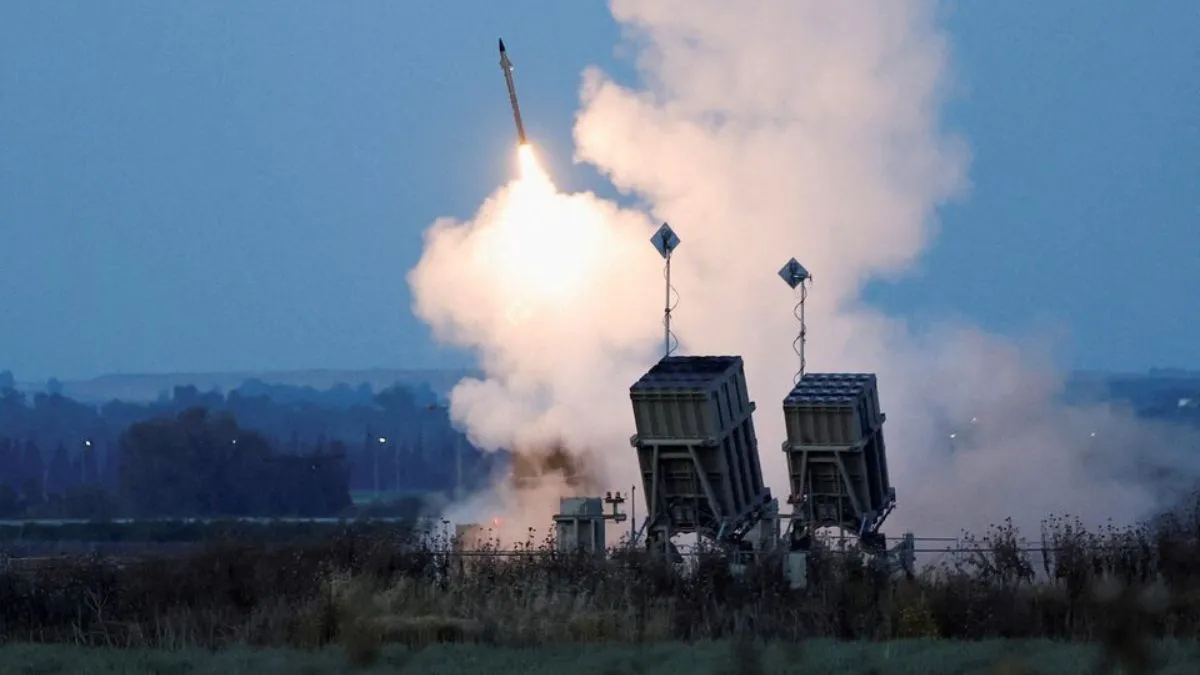
At the lowest layer is the Iron Dome, Israel’s most well-known defence system. Operational since 2011, it is designed to intercept short-range rockets, mortars and drones — particularly those launched by Hamas.
Each Iron Dome battery uses radar to track incoming rockets and calculates whether they will hit populated areas. If a projectile is not deemed dangerous, the system allows it to fall harmlessly, conserving interceptors. Over time, its effective coverage range has expanded beyond the originally stated 4–70 km.
Israel has also deployed a naval version to protect offshore assets.
New technologies and U.S. support
Israel is adding newer capabilities such as the Iron Beam laser system, declared operational in late 2025. It uses high-energy lasers to destroy small aerial threats at a much lower cost than missile interceptors.
Meanwhile, the United States has reinforced Israel’s defences by deploying systems such as THAAD and providing naval support to intercept incoming missiles.