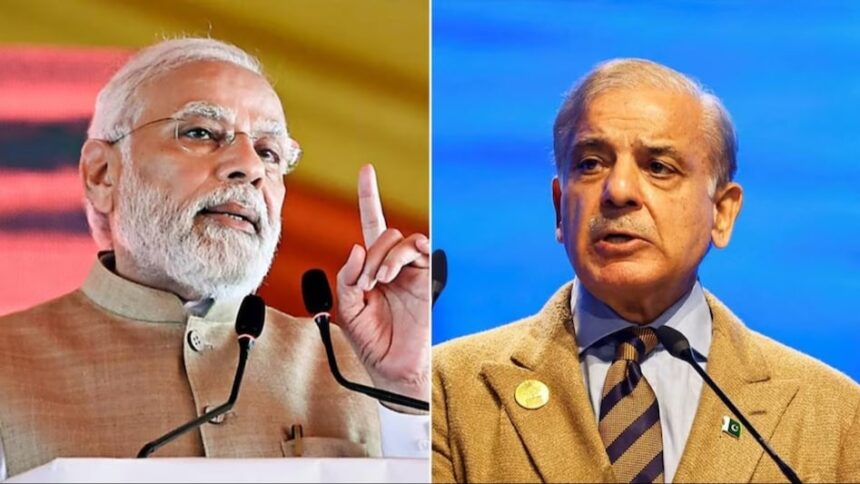
A group of 117 eminent personalities from India and Pakistan has jointly appealed to Prime Minister Narendra Modi and Pakistan Prime Minister Shehbaz Sharif to revive diplomatic dialogue and reopen official communication channels between the two countries. The signatories argued that sustained engagement is essential for promoting peace, stability and long-term prosperity across South Asia.
The appeal comes at a time when relations between the neighbouring countries remain strained following a series of security incidents and heightened diplomatic tensions. According to the letter, continued dialogue is necessary even when differences persist, as it provides an avenue to address difficult issues through peaceful means.

The signatories stressed that normal relations between India and Pakistan are closely linked to the economic well-being of millions of people on both sides of the border. They argued that prolonged hostility affects livelihoods, development and regional cooperation, making dialogue an important tool for reducing uncertainty.
The appeal also acknowledges that terrorism and security-related concerns remain significant challenges. However, it argues that these issues should be discussed through diplomatic engagement rather than allowing communication to remain suspended. The letter calls for uninterrupted contact at multiple levels, saying regular interaction can help both countries better understand each other’s concerns and positions.
The group further noted that many citizens in both India and Pakistan support peaceful relations and believe renewed diplomatic efforts could contribute to greater regional stability. It suggested that wider public support exists for initiatives aimed at reducing tensions and encouraging constructive engagement.
The letter ultimately calls on both governments to prioritise dialogue despite existing disagreements. According to the signatories, sustained diplomatic communication can create conditions for improved cooperation, economic progress and a more stable future for the region, while helping both countries address longstanding issues through peaceful negotiations instead of prolonged confrontation.