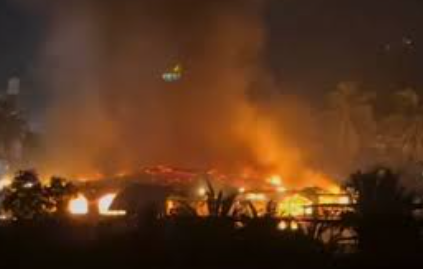
Barely weeks after the devastating Arpora nightclub fire that claimed 25 lives and shook Goa’s conscience, the State government’s much-publicised safety audit crack ing down on hospitality establish ments that were flouting rules has all but collapsed, exposing the exercise as little more than an eyewash. The inspection and verification drive targeting restaurants, night clubs and beach shacks has come to a complete standstill in South Goa. With inspections halted and no fol low-up mechanism in place, estab lishments flagged for serious safety violations continue to operate un checked, undermining the very pur pose of the post-tragedy action. Senior officials confirmed that inspections have been suspended for weeks.
The pause is being attributed to officers awaiting further instructions from the government and their engagement with duties related to the ongoing Assembly session. More troubling, however, is the absence of any system to verify whether establishments that were issued directions have complied within the stipulated timelines — or simply ignored them. The drive was initiated after the Arpora blaze laid bare the deadly consequences of regulatory failure. The govern ment had ordered a sweeping inspection of nightlife and hospitality outlets to assess compliance with fire safety norms, licensing conditions and statutory permissions. What inspectors found was alarming: widespread viola tions across South Goa, including operations without valid licences, fire safety clearances or occupancy certificates. Most establishments were found lacking even the most basic fire safety infrastructure — no fire extinguishers, blocked or absent emergency exits, faulty electrical sys tems and no evacuation plans. In some cases, illegal struc tural modifications and overcrowding compounded the risks. Despite these grave findings, enforcement has fizzled out, with only one establishment, Cape Goa in Canacona, reportedly sealed. Officials involved in the inspections have sought to dis tance themselves from the current inertia. GSIDC Managing Director Rohit Kadam, in charge of Salcete and Mormugao talukas said, “Our responsibility was to carry out inspec tions and submit reports, which has already been done. The reports have been forwarded to the South Goa Collec torate for further action. The next phase of verification will resume very soon.” Additional Director (Vigilance) Maya Pednekar, over seeing Quepem and Canacona, similarly admitted that the drive has been paused and is expected to resume only after Assembly-related duties conclude. “We have inspected sev eral establishments and sealed one in Canacona. All inspec tion reports have already been submitted to the Collector’s office,” she stated. However, voices within the administration paint a bleak er picture. A senior officer from the South Goa Collectorate acknowledged that the exercise has ‘virtually stopped’. “At present, there is no confirmation on whether the directions issued to establishments have been complied with or ignored,” the officer said. The enforcement paralysis has sparked sharp criticism from civil society, who see a familiar pattern: public out rage, token action and a swift return to business as usual. “Fire tragedies are forgotten as soon as the flames die down, regardless of the lives lost,” said Savio Coutinho, a representative of the Shadow Council for Margao. “If pub lic safety truly mattered, compliance would be non-nego tiable. Instead, the government appears more concerned about protecting business interests of its favourites,” Coutinho added. As unsafe nightlife outlets continue to function and the promised crackdown fades into bureaucratic limbo, the message is unmistakable – even a tragedy that killed 25 people was not enough to compel sustained enforcement.