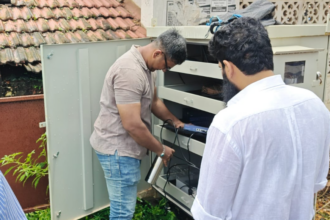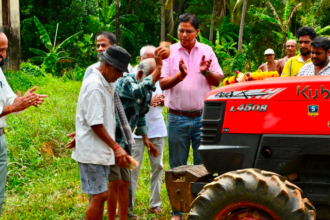
The gram sab ha of Curtorim has unani mously resolved to oppose and scrap all proposed mega multi-housing pro jects planned in the village, citing serious concerns over environmental sus tainability and the strain such developments would place on local resources. The resolution was taken during a gram sabha meet ing held on Sunday, which was attended by several villagers, including former ZP member Moreno Rebel lo and community leader Michelle Rebello, reflecting strong local engagement in the decision-making process. At the meeting, villagers voiced apprehensions that the current infrastructure of Curtorim, including wa ter supply, sanitation, roads, and other essential facilities, is already under pressure. They emphasised that ad ditional large-scale hous ing units would exacerbate these challenges and nega tively impact the quality of life for current residents. The gram sabha highlight ed that the village’s natural resources, particularly Mai na Lake, could be severely affected by the proposed projects, given that the land in question sits atop aquifers connected to the lake just a few hundred meters away. Villagers pointed out that contamination of one well in the area could quickly spread to others, posing serious en vironmental and health risks. The specific projects un der scrutiny include a de velopment in Survey No 465/13, consisting of 25 flats and 16 shops with stilt parking, upper, first, and sec ond floors.
Villagers warned that the lack of proper sew erage facilities could lead to groundwater contamination, directly affecting the lake and surrounding farmland. The addition of approxi mately 200 residents would further strain water resourc es, which are already scarce in the village. The gram sabha stressed the need for a Carrying Ca pacity survey to assess the village’s ability to sustain further growth without harming existing residents or the environment. Other concerns raised in cluded the Floor Area Ratio (FAR) of the project, which has been increased to 100% without gram sabha approv al. Villagers demanded that future projects adhere to a maximum FAR of 60% to pre vent overdevelopment. Road access for the project, shown as 25 meters in the Region al Plan 2021, does not exist on the ground—the existing road is less than 10 meters wide. The villagers strong ly opposed any attempts to expand the road to meet the plan’s specifications.

The resolution also em phasised the potential im pact on agriculture. Maina Lake is a lifeline for 150 farming families in the vil lage, sustaining their paddy fields and livelihoods. Vil lagers highlighted experi ences from nearby places such as Fatorda, Navelim, and Velsao, where rapid ur banisation has discouraged farmers and led to aban doned fields. They warned that pollution of Maina Lake could similarly disrupt local agriculture, affect health, and weaken cultural practic es tied to farming traditions. Through the gram sab ha, villagers also expressed strong opposition to further land conversions under Sec tions 39A, 17(2), and 168 of the Town and Country Planning Act, and called for scrapping additional pro posed projects at Survey Nos. 461/1-b, 449/0, and 450/1, citing similar environmental and resource concerns.