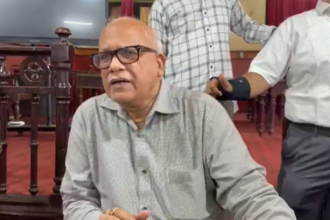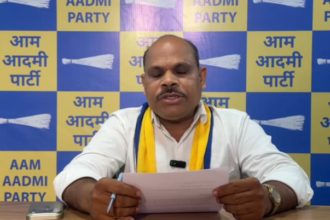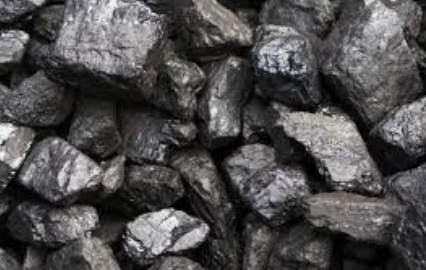
Social scientist Dr Jorson Fernandes has issued a stark warning that the Government’s alleged plan under the Sagarmala Project to stock and trans port 136 million tonnes of coal through Goa — an eleven-fold rise from the current 12 million tonnes — could unleash cata strophic health and envi ronmental consequences, particularly in Mormugao and surrounding areas. “The massive rise in coal movement will mean eleven times more coal dust con taminating our air, food and water,” Dr Jorson cautioned.
“This will trigger a surge in respiratory illnesses such as asthma, COPD, and lung cancer. Air pollution today affects virtually every organ in the human body—and even wors ens mental health issues like depression.” He warned that both rail and water transport of coal carry grave risks. “Trains cause air pollution, ground vibra tions and coal spillage along the tracks. Studies show that as much as 300 kilograms of coal can spill from a single wagon over a 600-kilometre stretch, releasing toxic heavy metals such as arsenic, mercury, cadmium and lead into rivers and food chains,” he said. Similar dangers, he added, accompany coal transport via rivers or slurry pipelines. Citing a joint NIO–IIT Kharagpur study, Dr Jorson said mercury levels in oysters along the Mandovi River have been found to rise steadily from Ribandar to the sea — “clear evidence of coal spillage during loading and unload ing at Mormugao Port.” “This should have immediately triggered the Precaution ary Principle in environmental law, compelling project pro ponents to prove there is no harm and to involve the public in the decision-making process,” he stressed. Dr Jorson slammed the Goa State Pollution Control Board (GSPCB) for failing to maintain credible data on coal spill age and lacking the capacity to test samples locally. “The very agency tasked with monitoring and mitigating pollu tion is incompetent,” he charged. With coal storage and handling set to expand further, Dr Jorson called on the government to strengthen pollution control systems, enforce emission standards, and make monitoring data publicly accessible. “Just as the medical community opposed the tobacco industry, citizens must now oppose coal storage and transport, which pose unac ceptably high health risks,” he asserted. Highlighting coal’s role in the climate crisis, Dr Jorson noted that it is a major source of carbon dioxide—the leading greenhouse gas—and also emits methane and ni trous oxide, which are even more potent. “Fine particulate matter (PM2.5) penetrates deep into the lungs and blood stream, endangering children, the elderly and vulnerable populations,” he said. Calling for a comprehensive air quality impact assess ment and strict adherence to environmental safeguards, Dr Jorson concluded: “The world is phasing out coal. India must invest in re newable energy and public health—not in coal that poi sons our people and our planet.”