World Fisheries Day on November 21 offered little celebration in a sector long weighed down by rising costs, weak enforcement and crumbling infrastructure. AJIT PETER JOHN reports
Goa’s fishery is inherently a multi-species system marked by unpredictability. Fish here is not a single commodity but a collection of species with shifting demand, and crews never know whether they will return with mackerel, sardines, pomfret or something else entirely. Coastal waters remain biologically rich, but bottom trawling damages species that live on the sea floor, and pollution, climate change and fishing pressure all affect what finally reaches our shores.

– Shamila Monteiro, Director of Fisheries, Government of Goa
Agents effectively dictate prices because fishermen have no cold storage and are forced to sell immediately, while first-grade fish often goes straight to exporters or fishmeal factories. Illegal fishing by vessels from Karnataka and the use of LED lights continue despite complaints raised since 2016, and subsidies have been reduced and delayed. We have been asking for changes to the Marine Regulation of Fishing Act, but nothing has moved.
– Olencio Simoes, General Secretary, Goenchea Ramponkarancho Ekvott (GRE)
The stoppage of diesel VAT reimbursements has left many boats idle because without these funds operators simply cannot afford to go to sea. In Karnataka, fishermen get their fuel reimbursements promptly, but here dues for 2023 and 2024 were kept pending until 2025. Even the Central schemes do not work for us, because the vessels sanctioned are designed for tuna fishing in Kerala and are unsuitable for Goa’s waters.
– Jose Philip D’Souza, President, All Goa Boat Owners Association
Our harbour foundation was laid 13 years ago, then the work stopped for five years, and even today only 39 per cent is complete. Half the jetty cannot be used because there is no depth during low tide, there is no water connection, lighting is poor and dredging is inadequate. Illegal bull-trawling by Karnataka vessels continues despite High Court directives, and the system is failing us unless the government acts immediately.
– Harshad Dhond, Vice Chairman, Mandovi Fishermen Marketing Cooperative Society
Agents, illegal fishing and shrinking subsidies
For traditional fishermen, the squeeze begins as soon as they return to land. Olencio Simoes of the Goenchea Ramponkarancho Ekvott says agents effectively dictate prices because fishermen lack cold storage and cannot hold back their catch. First-grade fish is often absorbed by exporters or fishmeal factories, leaving local markets short and pushing retail prices higher whenever supply dips.
Simoes also highlights persistent illegal fishing by vessels from neighbouring Karnataka and the ongoing use of LED lights, which remain banned yet continue to be used, particularly in the peak season. Despite complaints dating back to 2016, enforcement has not improved, he says, and GRE is seeking steep increases in fines for LED fishing as well as seasonal catch limits to curb over-extraction.
Financial pressures add to the frustration. The subsidy once set at Rs 50,000 has been reduced to Rs 28,000 and is often delayed, and proposed amendments to the Marine Regulation of Fishing Act have seen little progress.
World Fisheries Day in Goa
World Fisheries Day on November 21, 2025 came and went in Goa with many fishermen saying there was little reason for festivity. The State’s annual marine production still hovers around 1.3 lakh tonnes, yet fish prices on the shore continue to climb.
Stable production masks the strain of rising fuel expenses, labour shortages, poor infrastructure and chronic regulatory lapses. From the Directorate of Fisheries to ramponkar groups and boat owners, the sentiment remains consistent: pressures on the sector are mounting, supply is increasingly unpredictable and the market has become more difficult to navigate.
As Director of Fisheries Shamila Monteiro notes, Goa’s fishery is inherently a multi-species system influenced by shifting cycles and uncertainty.
Unpredictable catch keeps markets and customers on edge
Monteiro explains that fish in Goa is not a single commodity but a mix of species with variable availability. Crews cannot predict whether they will return with mackerel, sardines, pomfret or other varieties. When one species arrives in sudden abundance, especially mackerel or sardines, the market cannot absorb the volume and prices crash within hours.
With limited storage and highly perishable catch, surplus fish must be diverted to processing units or out-of-State buyers, driving frequent fluctuations.
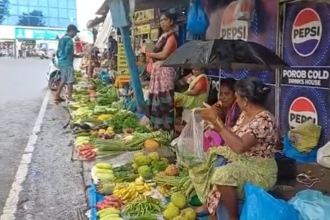
Fish is a daily staple for thousands in Goa, but rising prices have frustrated many households. Some have had to cut down on preferred varieties.
Crispin Sequeira from Siolim insists on eating fish every day. He has witnessed steady price increases over four years but continues eating fish “like any good Goan.” He admits, however, that many families feel the pressure.
Paul Fernandes, another lifelong consumer, says drastic fluctuations have made buying fish difficult. Kingfish, once at ₹1,100 per kg, recently dropped to about ₹600. Prices vary by market day, season and festivals.
Fuel reimbursement delays and unsuitable schemes
Fuel is the biggest burden for boat owners. Jose Philip D’Souza says the stoppage of diesel VAT reimbursements stranded many crews. With dues for 2023 and 2024 cleared only in 2025, boats remain idle, reducing supply and pushing prices higher.
He adds that Central schemes like the PM Matsya Sampada Yojana do not suit Goa’s waters because boats sanctioned under it are designed for Kerala’s tuna fishery.
Jetties in ruin, weak patrolling
The Panjim jetty illustrates the severe infrastructure neglect. The harbour foundation was laid 13 years ago, halted for five years and is now only 39 per cent complete. Half the jetty is unusable at low tide due to insufficient depth.
There is no water supply, lighting is poor, labour costs are rising and dredging remains inadequate. Illegal bull trawling continues despite High Court orders, while coastal patrolling is weak.
The Fisheries Department claims LED fishing is being monitored with daily checks, but fishermen argue that violations peak in November and December, and enforcement at sea is inconsistent.
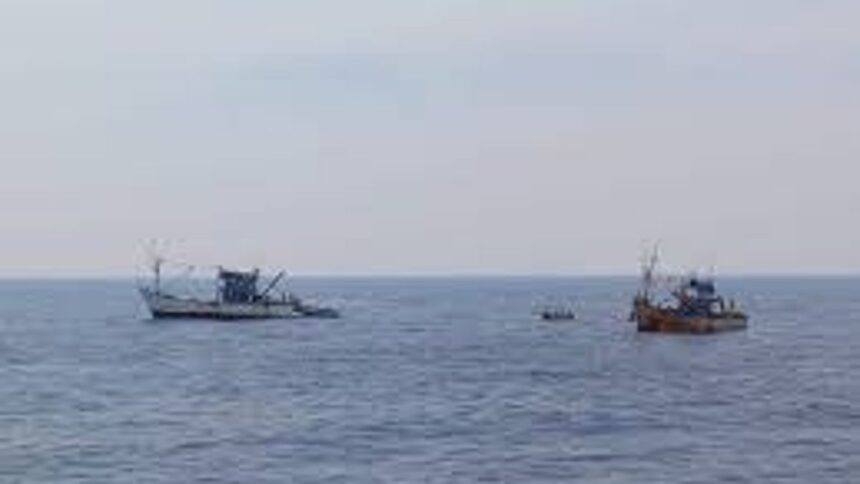
Each year, fishermen gather at Vanxim Island for prayers and to reiterate long-standing demands: timely subsidies, restored diesel reimbursements, strict action against illegal trawlers, upgraded coastal police vessels and completion of stalled infrastructure.
Many fear that without urgent intervention, more boats will remain docked and prices will continue to rise. As Dhond warns, the system is failing them and action is needed immediately.
Production steady, yet availability falters
Goa’s output remains stable at around 1,30,000 tonnes, dominated by mackerel and sardines. But nearshore supply, which feeds local consumption, fluctuates sharply. Pollution, climate change and fishing pressure all affect coastal waters.
Goa’s trawlers are smaller and built for day-fishing close to shore, making them vulnerable to any ecological disturbances. Monteiro says the Central government’s push for deep-sea fishing will require major technological upgrades since current vessels cannot operate in deeper waters.