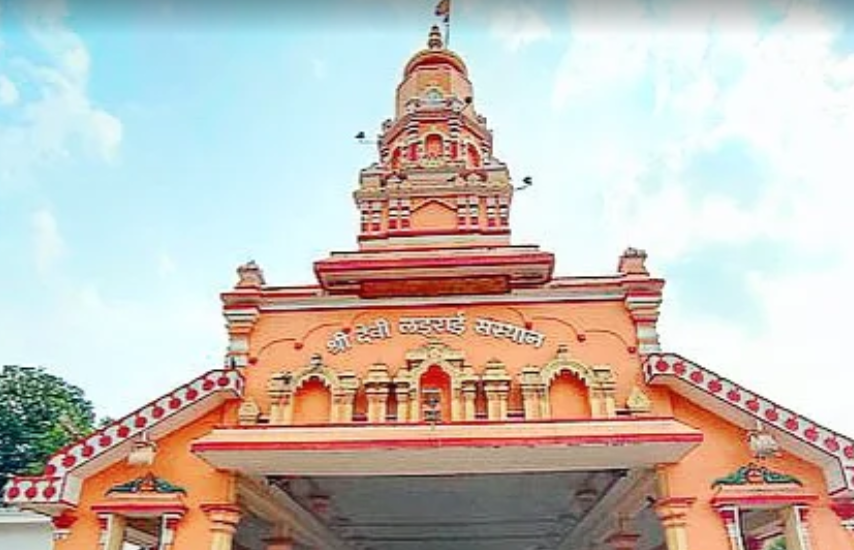
Nearly a year after a deadly stampede at Shirigao’s Lairai Devi temple left six people dead and over 100 injured, au thorities are moving to impose stricter crowd control and safety protocols for the upcoming Shree Lairai Jatra — a festival that rou tinely draws thousands. At the centre of this year’s plan is a crackdown on unregulat ed stalls and congestion points, widely seen as key risk factors in last year’s tragedy. In an official order, the North Goa District Disaster Manage ment Authority (DDMA) has con stituted a sub-committee to vet and regulate all temporary stalls, signalling a shift from reactive ar rangements to tighter pre-event control.
Officials said the panel has been tasked with scrutinising stall pro posals ‘strictly in line with safety recommendations’ and will sub mit its report for final approval by April 10. The emphasis, they indicated, is on preventing bottle necks and ensuring clear move ment corridors for devotees Beyond approvals, enforcement will be central this year. The committee has been directed to oversee on-ground implementation, with specific instructions to ensure that “only authorised stalls are permitted and any unauthorised structures are removed immediately” — a measure aimed at eliminating the clutter that contributed to overcrowding last year.

The move follows a series of review meetings chaired by the North Goa Collector, where officials stressed that “all safety guidelines must be strictly enforced by every depart ment involved,” underlining concerns over lapses flagged after the 2025 incident. The Shree Lairai Jatra, particularly the fire-walking ‘Dhondachi Jatra’, remains one of Goa’s largest religious gatherings, but its scale has increasingly tested local infra structure and crowd management systems. Authorities now appear to be recalibrating their ap proach — shifting from ad hoc arrangements to planned regulation — in an effort to prevent a repeat of last year’s disaster. Whether these measures translate into effective on ground control during peak footfall, however, remains the critical test.