The US Supreme Court on Tuesday struck down President Donald Trump’s executive order that sought to restrict birthright citizenship, delivering a major setback to his immigration agenda. In a landmark 6-3 ruling, the court reaffirmed that nearly all children born on American soil are entitled to US citizenship under the 14th Amendment of the Constitution.
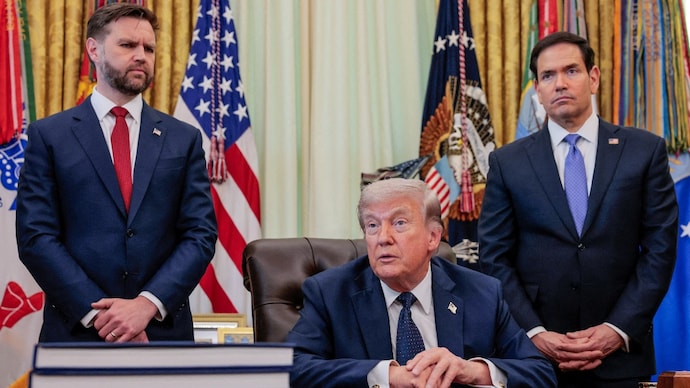
Trump signed the executive order on his first day back in office in January 2025. The directive aimed to deny automatic citizenship to children born in the United States if their parents were either living in the country illegally or were present on temporary visas. Under the proposal, only children with at least one parent who was a US citizen or lawful permanent resident would automatically qualify for citizenship.

However, the Supreme Court ruled that the order could not stand, effectively upholding lower court decisions that had blocked its implementation. The judgment reinforces the long-standing constitutional interpretation that birthright citizenship applies to almost everyone born in the United States, regardless of their parents’ immigration status.
The ruling is being viewed as one of the most significant legal defeats for Trump’s immigration policies since returning to the White House. Immigration has remained one of the defining issues of his presidency, with the administration repeatedly attempting to tighten citizenship and border rules.
Supporters of the executive order argued that birthright citizenship encourages illegal immigration and places additional pressure on public resources. They maintained that the government had the authority to redefine who qualifies for automatic citizenship.
Opponents, however, contended that the order directly violated the 14th Amendment, which has guaranteed citizenship to people born in the United States for more than 150 years. Civil rights groups, immigration advocates and several states challenged the order in court soon after it was signed, leading to nationwide injunctions that prevented it from taking effect.
With the Supreme Court’s latest decision, those legal challenges have effectively succeeded, preserving the existing constitutional framework. The verdict ensures that children born in the US will continue to receive citizenship regardless of whether their parents are undocumented immigrants or temporary visa holders.
The judgment is expected to have far-reaching implications for US immigration policy and is likely to remain a central issue in the country’s political debate. While the Trump administration may continue pursuing other immigration reforms, the court’s decision makes it clear that any attempt to alter birthright citizenship would likely require a constitutional amendment rather than an executive order.