MARCOS GONSALVES

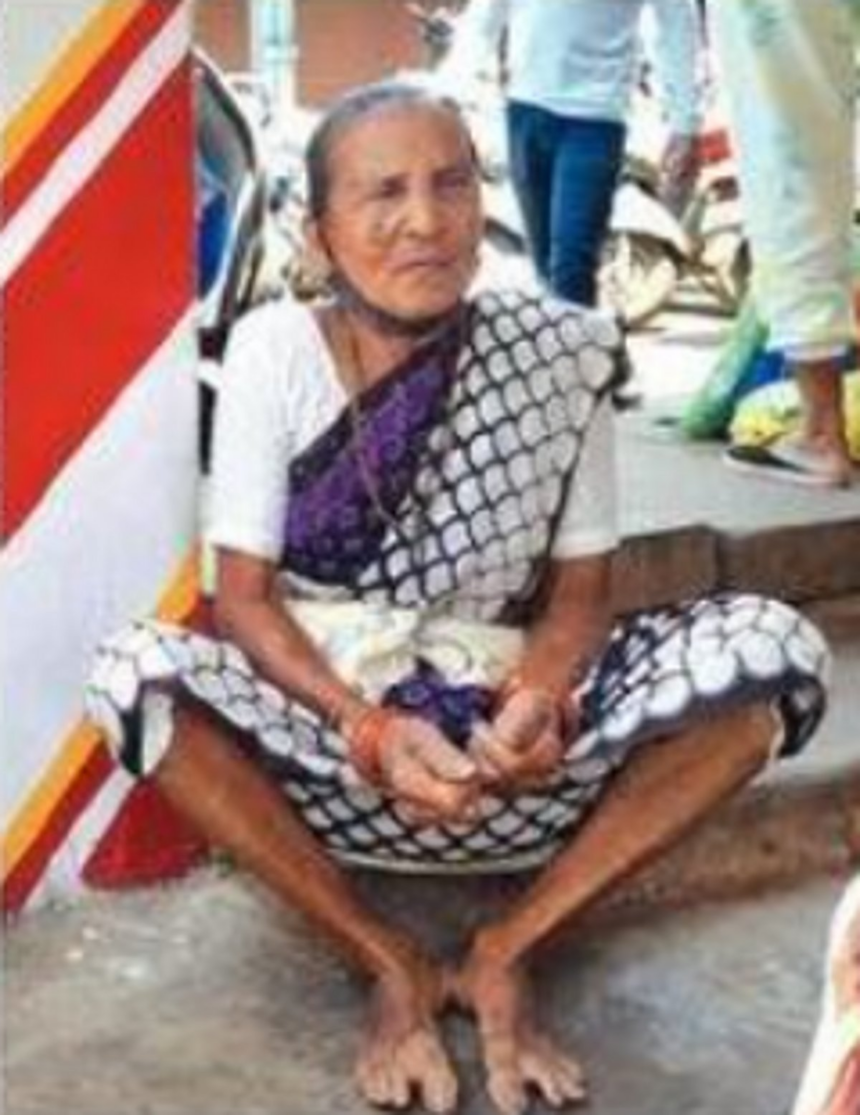
MARGAO: As droves of shoppers hurry past a group of five to six traditionally clad, old local women in the heart of Margao market, most are unaware that they have just crossed the last generation of bhadels – or women porters – who were at one point the pride of the state’s commercial capital.
Found nowhere else in the state, the bhadels – hailing from Davorlim and neighbouring areas – had the trust of all the shopkeepers in Margao for whom they would carry and deliver goods for a fee. Having inherited the occupation from their families over the past several generations, the current group of bhadels is anywhere between 50 and 70 years old. Age for them, however, is just a number and the wrinkles on their faces a triviality as neither stops them from hauling goods on their backs and heads.
Unsil Almeida and Rosa Pacheco are among Margao’s oldest bhadels. They wait for customers outside a home appliances store in the Margao market as they recount how, in just 5-10 years, their group has whittled down from 30 members to just about six.
“Modern means of transporting goods has relegated us to a corner, as has the influx of migrant labourers who are more able-bodied and easily available,” says 70-year-old Almeida, who has been carrying loads day in and day out for the past 30 years. “Many of my colleagues also decided to opt out of the occupation due to age-related health issues. Others have passed away,” she says sadly.
Pacheco, her colleague who is seven years her senior, predicts that in about five years, not a single bhadel will be found anywhere in Margao market. “We are just the few who are keeping the occupation going, but I don’t think I will be able to continue as I get older,” she laments while reminiscing how, at one point of time, she would carry heavy crates of wine and beer, and even wooden cupboards from one spot to another.
“Apart from traders, many shoppers would also hire us to deliver goods for them. Back then, we would get just a few rupees for our labour, but that was enough to cater to the needs of our families. Not anymore,” Pacheco says.
Now, it has become difficult for most bhadels to get even one or two delivery jobs per day, forcing them to return home empty-handed at times. They are, therefore, seen in the market only during the mornings and return home after noon to get on with their household chores.
Expectedly, none of their children are interested in carrying their work forward either, what with the youngsters pursuing better work avenues that will generate way more money than the bhadels presently earn.
“There is nothing left in this line of work. We cannot depend on it any longer,” says Caitana Costa, a 68-year-old bhadel who chose to back out of the occupation. “I served as a bhadel for a quarter of a century but now, my children are forbidding me from continuing,” she says.