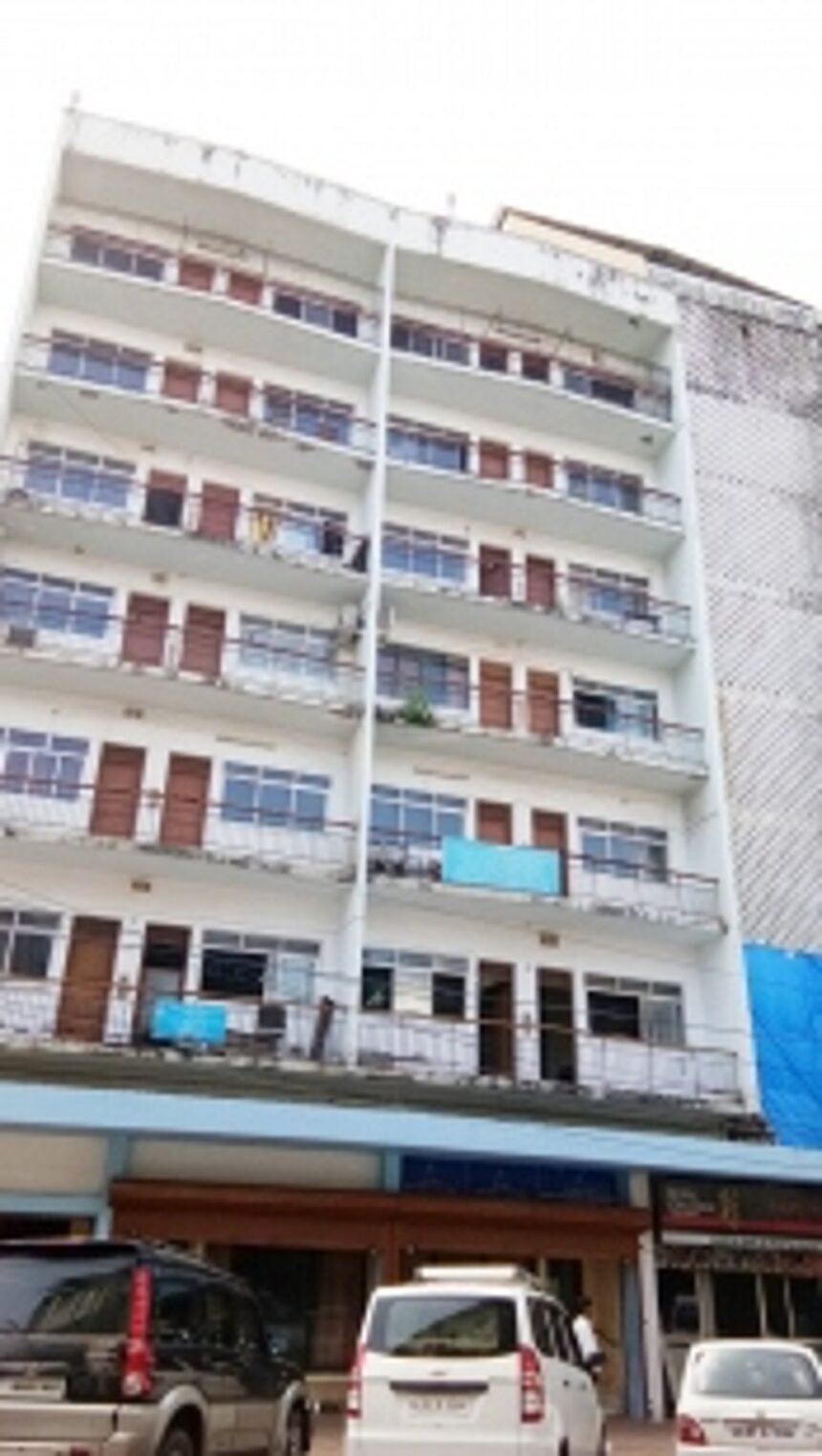
The Kadamba Transport Corporation (KTC) bus stand was abuzz just after the sunrise on Monday after a fire broke out in the wee hours of the morning at a supermarket further extending it to the RTO regional office, exposing dangers of poor safety precautions and planning. Thankfully there were no casualties reported and the timely action by the fire services, prevented major mishap.
The fire at the capital city’s bus stand, should ideally have served as an eye-opener to the various authorities about the risk their negligence poses to the lives of the general public. With the fact that almost 80 per cent of the government-owned buildings and other properties like market and bus stands, failing on the fire safety norms, it is a serious concern that government needs to look into in time-bound period and judiciously follow the adage ‘prevention is always better than cure.’
The government buildings like Shram Shakti Bhavan, Junta House, Panjim Market complex, Goa Medical College and Hospital (GMC), North District Collectorate, Margao Gandhi Market and New Market, and Hospicio are sitting on a ‘time-bomb’ – wherein a small blaze can lead to serious fatalities and losses, as thousands of people visit these places on daily basis.
The fire hydrants, fire detection system, pump house and hose reels are well in place in these buildings but the authorities have failed to keep them functional. The class ‘D’ workers from these government offices confirm that the fire safety equipments are non-functional for years now as they are not even being checked by the departments.
However, the authorities seem to be least bothered. Moreover, despite more than half high-rise buildings, including government owned, violating fire safety norms, Directorate of Fire and Emergency Services, find themselves helpless having no powers to penalise or seal the premise. What they can just do is conduct fire safety audit and serve notices.
According to the fire department, the government buildings neither follow the conditions laid down by the department, nor renew their annual NOC which is mandatory. “We conduct audit of the government buildings and high rise buildings in every three, six and nine months. On finding that any particular building has flaunted the safety norms, we issue them notices; beyond that, we have no powers to act,” sources from Fire department confirm.
An official said that it is only at the construction stage that builders comply with fire safety measures to obtain temporary no objection certificates, because this makes them eligible to obtain the occupancy certificate. But where builders, owners, concerned authorities of the buildings fail is when the NOC has to be renewed every year.
“There are some who adhere to the rules but many don’t. Once they obtain the initial certificate from the fire department, they do not bother to get it renewed. Here we step in to ensure they do so,” he said. Nevertheless, some government buildings like IDC, EDC, South District Collectorate, Goa Assembly Complex and Secretariat, Tourism Bhavan, Margao Municipal Council, Canacona Mamlatdar office, have the system in proper working condition.
At the same time it has been revealed that certain old buildings, such as the old High Court building which now houses Printing Press & Stationary, and also Hospicio are helpless in complying with all the fire protection measures owing to the weak structural stability.
While North Collector IAS Nila Mohanan remained unavailable for the comments, South Collector IAS Anjali Sehrawat was prompt to respond stating that she will call for fire safety audit of all the government buildings, Hospicio hospital, market and other high-rise buildings in the district.
“We cannot take any risk. Thousands of people visit these places daily. Will ask the fire department to conduct the safety audit of all the major buildings in the district and necessary directions would be issued accordingly,” Sehrawat said.
The IAS officer, however, admitted the fact that in most of the government buildings, though fire safety equipments are in place, they are non-functional.
The District Administrations have their own disaster management plans in place, but unfortunately it deals only with the ‘cure’ and not ‘prevention’. Almost every authority right from police, fire, health, are authorities that need to response at the time of disaster — both natural and man made.