In a move to fast-track two key urban infrastructure projects in Margao, PWD Minister Digambar Kamat has an nounced that he will per sonally monitor the pro gress of both the Margao Bus Terminal redevelop ment and the proposed hy draulic pay parking system. The assurance comes as the Directorate of Trans port has floated a fresh tender for the long-pend ing ₹251.33 crore bus ter minal project under the Public-Private Partnership (PPP) model, while prepa rations are underway to invite bids for the parking initiative. Kamat, under whose ear lier tenure as Chief Minister the project was first con ceptualized over a decade and a half ago, confirmed that he has been briefed by the Transport Department about the newly floated ten der.
However, he clarified that he has yet to review the full details. “The Directorate of Trans port met me and briefed me about the tender floated to redevelop the Margao bus terminal. I am yet to get complete details on the pro ject, but I will take stock of the situation very shortly,” Kamat told reporters. He also commented on the long-discussed hydrau lic pay parking project in Margao, stating that the ten der for that initiative would be floated soon. “I will personally monitor both the Margao bus termi nal and pay parking pro jects to ensure they move forward without further delay,” he assured.

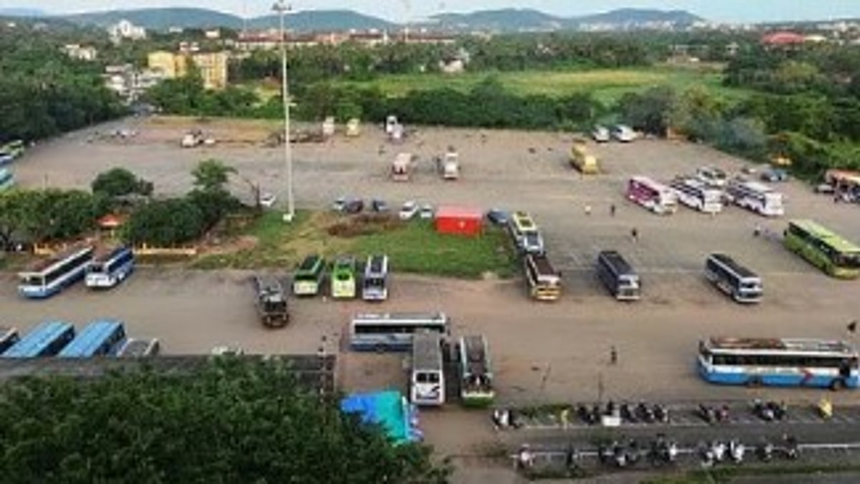
The Margao Bus Termi nal Redevelopment Pro ject proposes the Re-de velopment, Operation, Maintenance, and Transfer (ROMT) of the terminal lo cated on a prime 62,350 square metre plot in the city. The proposal includes modern bus bays, parking, passenger terminal, fuel station, depot, workshop, and other transport-related infrastructure, integrated with commercial develop ment to ensure long-term financial sustainability.
According to the pro ject overview, the terminal will serve both Kadamba Transport Corporation (KTC) buses and private operators, with neces sary facilities to support regulated and obligatory services. The mixed-use model aligns with zoning regulations and is intended to improve both commuter experience and economic viability