Team Herald
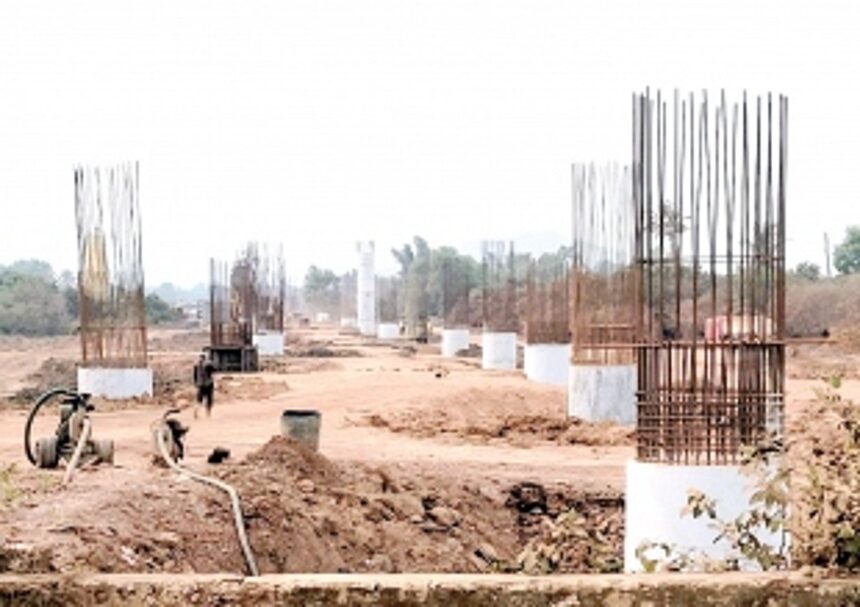
MARGAO: Concerns have been raised about the manner in which the construction of the Western bypass is taking place in Mungul and Seraulim and how there could be flooding in the area due to the filling up of low-lying areas with mud.

While Mungul and Seraulim have witnessed yearly flooding, residents have expressed concern about the blocking of culverts, which have been the pathways for the water flow during the monsoon period.
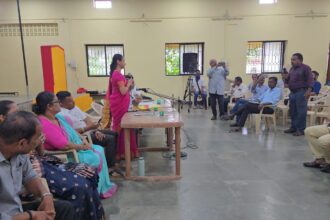
Recently, Mungul residents too had brought to the attention of the authorities the work taking place on the Colva-Mungul road.
After explaining that the PWD authorities had constructed a concrete column of the bypass at the mouth of the culvert which helps to drain water during the monsoons, it would create result in flooding.
While they asked if the column can be shifted away from the culvert, the National Highway Authority of India (NHAI) and PWD officials said they would consider building an additional culvert adjoining the existing one to take care of the rainwater drainage.
Elsewhere in Seraulim, the authorities came in for sharp criticism for filling water bodies in the area for construction of the bypass. Some of the residents were also not happy with the assurances given by the government about how the drainage of rainwater will be taken care of.
Benaulim resident Vinay Dwivedi also hit out at the authorities dumping waste in a farmland and green areas in Mungul and Seraulim for the construction of the bypass on stilts by filling mud and building embankments.
Locals of Benaulim recall the flooding that had taken place in Tolleabundh last year, the area where the bypass stretch is to be built on embankment and pointed out that the area was flooded when the bypass work had not even begun. They expressed concern that the situation will worsen this year and recalled that the Water Resources Department (WRD) had even warned against filling up of the low-lying areas given that it would cause flooding.