Elsa Angel Rose
Nutrition trends this year focus on the much-needed and spoken about aspect: the emphasis on being fit rather than looking skinny or stout. Through a balanced diet, physical and mental activity, the same is achieved. All through the years, the motive has been the same to be fit, and this goal is guided by drinks that offer more than hydration, an approach that offers less emphasis to protein but to a balanced diet, craving controls and a more holistic approach.

PROTEIN-FOCUSED DIET IS TAKING A BACKSEAT Most people would agree that there was more pressure on them as adults to increase their protein intake than to do drugs. Perhaps this change in modern nutrition might bring some solace to many, as the protein-based diets are slowly giving way to diets that emphasise fibre and other essential micronutrients, benefitting the overall health. “The significance of protein-based diet has been dropping due to extensive education by healthcare professionals, advocating for balanced meals and educating the general population on protein requirements to prevent displacing other nutrients,” said Luana Mascarenhas, an Accredited Dietitian from Panjim. Protein was and is still a mainstream dietary priority, compared to earlier times when it was consumed only by bodybuilders and athletes. But these days, the conversations are shifting. Sachin Sutar, an IFSI-certified nutritionist from Velha, said, “As nutrition science evolves, the conversation is shifting from simply consuming ‘more protein’ to understanding how it supports overall health.” The emphasis is also moving from quantity to quality. Sachin explained, “Consumers are paying closer attention to complete proteins, plant-based options and spreading intake evenly across meals. There is also greater awareness that protein needs vary by age. Younger adults may prioritise performance, while older individuals focus on preserving muscle and preventing frailty.”
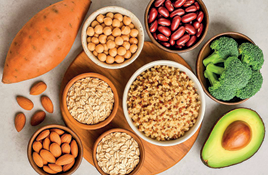
FIBRE, THE NEW HERO AND RISING HEALTHY SNACKING Just as it is being said that protein is being sidelined, a macronutrient that is leading the nutrition trend charts is fibre. But this does not mean an increased consumption of fibre is the route to an enhanced life span or health span. It just explains that the obsession with protein is coming down and is giving way to other nutrients and compounds, wherein fibre tops the list. “Fibre holds its place as an essential nutrient due to its benefits for satiety, insulin sensitivity and blood sugar control or even regular digestion and bowel movements. Hopefully, this trend does not lead the public to displace other nutrients with a hyper focus on fibre,” said Luana. Sachin said, “Alongside adequate protein, there is renewed emphasis on fibre, healthy fats, micronutrients and gut health.” Micro moments of nutrition, like healthy snacking is still relevant. Sheryl Afonso, another prominent nutritionist, explained, “Healthy snacking will never go out of style. Sadly, though, fad diets that promote ‘timed’ eating schedules and food group avoidance have taken over the market.” She added on healthy snacking options, “A blend of complex carbohydrates and protein snacks will always help one curb appetite, and that is what people should choose.”
INCREASED DEMAND FOR DRINKS BEYOND HYDRATION Another trend observed is the increased inclusion of drinks that offer more than mere hydration, making hydration not just about fluid but also about the electrolyte balance. Electrolytes are crucial micronutrients, and they can lead to clinical symptoms when consumed too much or too little. Caution is essential even when consuming drinks for hydration. Luana explained, “When we sweat, especially in humid conditions which exist in Goa, we lose not just f luid but electrolytes. So drinks that replenish these electrolytes, for instance, coconut water, lemon juice or fresh juices, could be good ways to replenish both.” A good indication of electrolytes in one’s body is the colour of the urine. Luana shared, “The aim should be to achieve a light straw colored appearance; anything darker depicts dehydration, and a clear/close resemblance to water would indicate a lack of electrolytes.” Good enough sources of electrolytes are available from food items also.
EVOLVING NUTRITION AND THE SHIFT TO HEALTHSPAN
“Adolescents and young females today are seeking advice on corrective measures for the myriad nutritional deficiencies and physiological problems plaguing them. And, of course, you’ll have the young males lining up for advice on how to build muscle! So, there is more emphasis on trying to eat right for specific periods of life rather than looking at lifespan as a whole,” said Sheryl. More than how many years one survives, there is an increased focus on how many years of healthy life one has led. That is when a person remains active, independent and disease-free rather than simply extending lifespan. People are looking for diet plans that evolve with each stage of their lives. Sachin explained, “Consumers are increasingly looking for diet plans that evolve with each life stage, from supporting growth in adolescence to maintaining metabolic balance in adulthood and preserving muscle, bone and cognitive health in later years.” Other than the above-mentioned major trends, there is an increased demand for wearable devices and personalised health data, so that one can make informed dietary choices to lead a healthy life.