The Strait of Hormuz, a narrow waterway between Iran to the north and Oman and the UAE to the south, is just 30 miles wide at its narrowest point. Despite its small size, it is one of the world’s most critical shipping lanes, handling nearly a fifth of global oil and liquefied natural gas exports. Countries like Saudi Arabia, Kuwait, Iraq, Qatar, and the UAE rely on this passage for their energy exports, while it also carries vital commodities such as sulfur used in fertilizer production and metals refining.
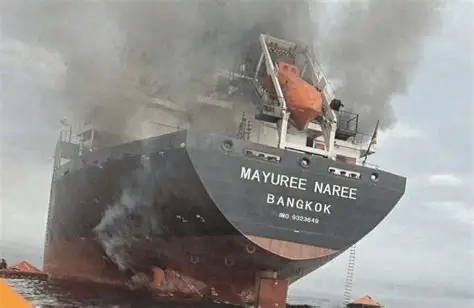
In the current Iran-Israel conflict, the Strait has become a strategic focal point. Iran, under Supreme Leader Mojtaba Khamenei, has threatened to block the passage, leveraging its proximity to exert control over global energy flows. Anti-ship missiles, drones, and reports of sea mines have heightened the risk for international shipping. Since February 28, at least 15 tankers have been targeted, disrupting trade and driving oil prices higher. Even minor incidents, such as a tanker struck off the UAE coast, highlight the vulnerability of this crucial corridor.

Diplomatic efforts are underway to prevent escalation. The U.S. has called on NATO allies to secure safe passage, while India and other nations have emphasised the need to maintain navigation freedom without conflict. Experts stress that dialogue, restraint, and coordinated action are essential to protect global energy security and prevent wider instability in the region.
The Strait of Hormuz underscores the delicate balance between geopolitics and commerce. While Iran’s actions reflect regional strategic interests, the global stakes are immense. Ensuring calm, predictable navigation in this vital corridor remains a priority for governments worldwide, highlighting the intersection of diplomacy, security, and economic stability.