Elsa Angel Rose
Easter in Goa is as much about faith as it is about food, where the end of Lent brings families together over dishes that are rich in taste, memory, and love.

There is something really sacred about the way food carries memory. Recipes passed down through generations, the aroma of sorpotel simmering after midnight Mass, and families—both young and old—coming together to create soul-filling dishes; these are not just cooking rituals, but acts of love preserved over time. In Goa, Easter is never just a date on the calendar. It is when families gather around tables layered with tradition, where every dish tells a story of faith, togetherness, and the pride of celebrating food that is truly homemade and whole. This Easter, four home bakers and cooks open their kitchens and their hearts to share what makes the season feel like home.
Easter in Goa is as much about faith as it is about food, where the end of Lent brings families together over dishes that are rich in taste, memory, and love.
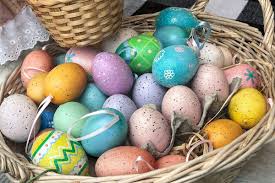
“Making marzipan Easter eggs involves blending finely ground almonds with sugar and a binder (like egg whites or water) to create a sweet, mouldable confection. The core process centres on achieving a smooth, dough-like consistency through grinding and kneading,” said Cajetan Pinto, a baker from Divar Island. Marzipan Easter eggs symbolize good health, prosperity, and happiness for those celebrating with family and loved ones. “Personally, making marzipan Easter eggs reminds us of early childhood memories filled with fun and laughter as we opened our Easter eggs given by our parents. It is a family affair, I must say, as we along with our kids collectively prepare them. It is a fun experience and at the same time a learning process for our kids as we impart this knowledge to them, which they will treasure,” he added. The eggs are made using kitchen-friendly ingredients like egg whites, fondant marzipan, cashew nuts, almonds, icing sugar, water, glucose, and gelatine, with no added preservatives.
“This signature millet, whole wheat, jaggery chocolate cake is my unique way of celebrating our traditional ingredients in a way that can compete with regular chocolate pastry—except it’s full of nutrition derived from local ingredients. Even the chocolate icing on this cake is completely jaggery-based,” said Tanya Pinto, a baker and homemaker from Merces. For her, baking this nutritious cake has become an Easter ritual—a way to celebrate God’s goodness, familial love, and a deep appreciation for local ingredients. “There’s no guilt when everyone indulges in this rich chocolate cake, whether it’s health-conscious adults or little children, as every ingredient here is nutritious. Earlier, I would always check ingredient labels before buying Easter treats for children, and now I love seeing them enjoy this indulgent treat that has nothing artificial in it,” she said. The cake is made without maida or refined sugar, using millets, whole wheat, and jaggery instead.
“Making sorpotel has been an Easter and Christmas tradition in my family for as long as I can remember. It’s something we prepare year after year, and it truly feels incomplete without it during these celebrations,” said Helena D’souza, a homemaker in Panjim. A staple of Goan cuisine, sorpotel is closely associated with celebrations such as Easter, Christmas, weddings, and feasts. During Lent, many refrain from consuming meat as an act of penance. When this period ends, the festival is marked with indulgent, meat-based delicacies, and sorpotel takes centre stage—often paired with soft, fluffy sannas. “Honestly, after a long period of fasting and sacrifice during Lent, people really crave it, so it’s often enjoyed even right after midnight Mass. In my case, I wouldn’t mind having it then with a nice drink. But we also serve it during Easter family meals, where everyone comes together to celebrate,” she said. She emphasized that the recipe holds deep personal value. “This recipe is very special to me—it’s my mother’s secret recipe, passed down from her mother. I’ve basically learned it by watching her and noting it down from her recipe book.”
Traditional food items are, without a doubt, the best. However, experimenting with new recipes or reinventing traditional ones adds a refreshing twist to the festive mood. “Apple pie is the simplest thing in the world to make, and it is a warm comfort food for the whole family. The making process can also be done collectively with all age groups, with a little creativity and fun thrown in. Pies became a tradition in my family because my husband Rahul is a pie lover and connoisseur. Cooking for me is always about the people you want to share it with,” said Deepa De Sa, baker, café owner, and “chief spell caster” from Candolim.
“Making apple pie in our family is about sharing love. It starts with the crust—tiny fingers mash cold butter with flour, while Jiya crumbles the butter and Tara peels and cuts the apples. We don’t need perfect sizes; we toss them with cinnamon and sugar. Chunks of butter are okay as they add flakiness. We press the dough into a pie dish; the pastry has to be cold when we put it in the oven. The topping is something we love working on—we make leaves, nests with eggs for Easter, caterpillars, flowers. We put it all together, brush with egg, bake, serve with vanilla ice cream, and share with everyone we love,” she shared.