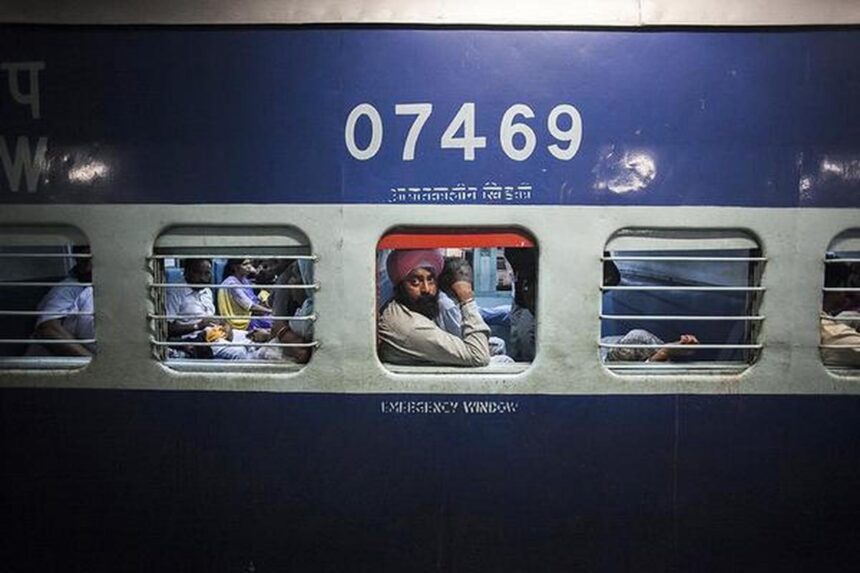
At around 9:30 pm every night, a passenger train leaves Bathinda Junction in Punjab for Bikaner, Rajasthan. For most railway travellers, it is an ordinary overnight service. But for many families in Punjab’s Malwa region, the train has a far more painful identity — the “Cancer Train”.
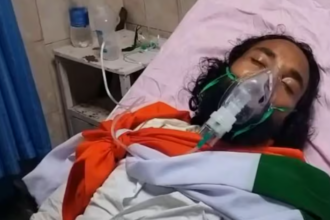
The nickname emerged because a significant number of passengers travelling on the route are cancer patients heading to Bikaner for treatment. The roughly 325-kilometre journey provides an affordable way for patients, many from farming communities, to reach the Acharya Tulsi Regional Cancer Institute and Research Centre.

The train has become closely associated with the cancer burden in Punjab’s Malwa belt, a region that has for years attracted attention because of its relatively high incidence of cancer. Families often travel long distances because treatment at specialised centres in Bikaner can be more affordable and accessible than private healthcare closer to home.
For patients already facing the financial burden of cancer treatment, railway concessions can make a significant difference. Cancer patients are eligible for free travel under applicable railway concession rules, while an accompanying attendant can receive a substantial fare concession. Such support reduces at least one part of the cost of repeated journeys for families undergoing prolonged treatment.
The story of the Cancer Train is also connected to wider concerns about public health in Punjab. The Malwa region has experienced intensive agricultural activity for decades, and researchers have investigated possible links between environmental factors, groundwater quality and the region’s disease burden.
Pesticide use, groundwater contamination and the presence of substances such as uranium and other pollutants have been the subject of studies and public debate. However, the causes of Punjab’s high cancer burden are complex, and individual environmental factors cannot simply be described as the sole or definitive cause of cancer among residents.
For many families, however, the issue is less about statistics and more about survival.
Cancer treatment can involve repeated chemotherapy sessions, radiation, surgery, diagnostic tests and medicines. For families dependent on agriculture or daily wages, these expenses can quickly become overwhelming. Travelling overnight by train offers an inexpensive alternative to repeated private healthcare visits and accommodation costs.
Inside the train, patients and attendants often share a common experience. Families carrying medical reports, medicines and food travel through the night, knowing that another hospital visit awaits them in the morning. Some passengers have made the journey multiple times, turning the route into a familiar part of their treatment.
The Cancer Train therefore represents more than a railway connection between Punjab and Rajasthan. It reflects the intersection of disease, poverty, healthcare accessibility and the struggles faced by rural families.
As the train leaves Bathinda each night, its passengers carry medical files, medicines and belongings — but also the hope that the next journey to Bikaner will bring them closer to recovery.
For a region battling a heavy cancer burden, the train remains a striking reminder that access to treatment can be just as important as the treatment itself.