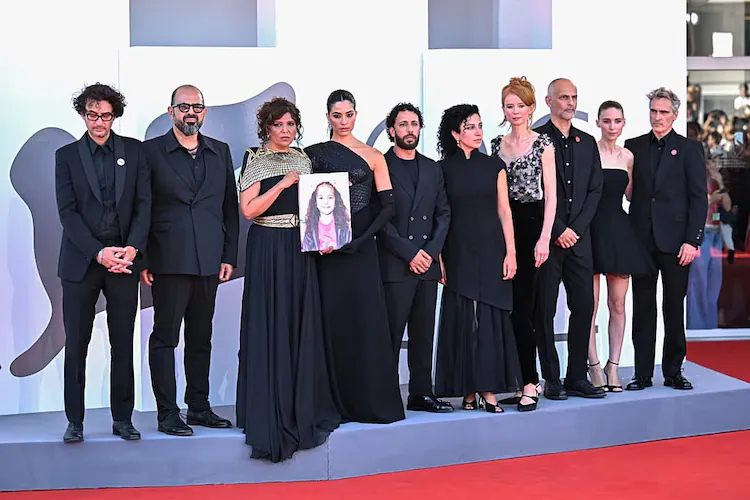
The decision to stall the release of The Voice of Hind Rajab in India has sparked a sharp debate, highlighting the intersection of cinema, diplomacy, and free expression. The film, directed by Kaouther Ben Hania, tells the harrowing true story of a five-year-old Palestinian girl killed during the 2024 Gaza conflict, using real emergency call recordings to heighten its emotional impact.
The Central Board of Film Certification (CBFC) reportedly withheld clearance, citing concerns that the film’s sensitive subject matter could strain India’s diplomatic ties with Israel, especially amid the ongoing tensions linked to the Iran-Israel situation. The move comes at a time when India has maintained a carefully balanced stance in the Middle East, avoiding direct condemnation of either side.

However, the decision has drawn criticism from opposition leaders and free speech advocates, who argue that artistic expression should not be curtailed over geopolitical considerations. Internationally, the film has already been released in several countries and received critical acclaim, including recognition at the Venice Film Festival.
As the controversy unfolds, the episode raises larger questions about censorship, soft power, and the limits of storytelling in a politically sensitive world.