This virus was like nothing seen before. It spread with a speed that was shocking and it
also laid waste to everything before it. Medical facilities were inadequate and
doctors struggled. But then man is an innovative animal and learned to use the
facilities of the day. The digital world has opened up new avenues of
communication with people thousands of miles away. It has helped in the
transfer of knowledge across different time zones. It has helped doctors
communicate with patients unable to move out of their house due to Covid
complications. The virus has resulted in an increase in stress levels.
Psychiatry organizations in the state were able to help people deal with their
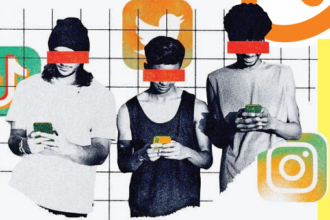
anxieties via the digital platform. As the world celebrates World Social Media
Day, it would be important to see how it helped in the fight against the virus.
During the first
phase the digital world was used for food and supplies.

In Goa, on April
19th, Shruti Chaturvedi set up COVID Care Goa using Instagram, Twitter and
Facebook – we rolled out Google Forms collecting data of people who could
provide home-cooked meals, restaurants that could deliver nutritious food to
covid-19 patients, data of medical shops with their contact details and data of
doctors who could provide free tele consultation. Within 12 hours, they had
300+ data points which were verified and updated. Shruti said “The response was
overwhelming as people learned about the problems faced by less fortunate
people. People helped out without hesitation.”
Social media helped
spread information about vaccinations and helped doctors provide online
consultations to their parents.
COVID Care Goa’s Instagram handle has been providing
vaccination-related awareness in multiple languages to tackle vaccine
hesitancy.
Dr Pratik Jain said he was able to connect with his patients via
the digital medium. He said “It provided a medium to not just reach out and
educate but to follow the progress. I was able to catch early warning signs
that could require admission, referral or further investigation. Most of the
elderly population had Whatsapp. There has been a great deal of communication.
I would instruct the patients to send me a photograph which would help me gauge
the oxygen and temperature levels. Doing this twice a day was a minimum.
Usually it was 3 or 4 times. In Aldona I had 40 patients and all over 400
patients. I barely slept and on a good day I would manage 4-5 hours of sleep. I
would start in the morning and my day would go on pretty late into the night”.
Facebook and other
platforms played a big role in food distribution
Funds were raised using social media to provide food to people
who could not afford food.
Shruti said “Some labourers were able to connect with me on
Twitter asking for help. We provided food, we used social media to bring home
chefs and restaurants on the Covid Care Goa platform and it became easy for
patents and others to get hygienic nutritious food delivered at home. For the
labourers, food was purchased from the crowd funding campaign which was
organised online. Every week we would give a full ration to 100 plus families.”
Keeping in touch with
families
Many people in Goa live alone with children either working in
another state or having decided to settle abroad. Beverly Mendes who was part
of the movement to help people during these strange times said “Many Aldonkars
from New York, Gulf countries, Ireland and within Goa itself reached out
through Facebook. Many families living out of Goa and overseas reached out to
us for help via Face book Messenger. Many of them have grandparents or aunts
and uncles that they were worried about. Who would reach out to them in times
of need?
Elisha Monserrate who lives in Mumbai said she was in touch with
her parents who lived in Aldona everyday. She said “It is very important for me
to keep in touch with them. It is part of my routine for the day. With my
relatives in Goa, all our celebrations are conducted online on Zoom. Since my
parents are older and many struggle with technology, I use the video feature on
whatsapp to help them talk to my 3 year old child. I also manage all their
requirements sitting here in Mumbai. I order all their groceries for them on
Amazon which are then delivered in Goa”.
Workers were sent
home
Shruti said a group of migrant laborers from Goa left for home
without anything. They didn’t even have the tickets or food, or money to pay
the fine. After her Tweet, they spoke to some officers at IRCTC who arranged
for their food till their journey back home.
Vijaya Pais who was part of the army of volunteers said Facebook
groups were a source of great help. She said “There was a great deal of
discussion online, people found jobs, found oxygen and answers to questions.
Cases now seem to be dropping but people are still paranoid. People are not
talking about a large number of people who have gone bankrupt. Half the
businesses have been gutted. No one is still addressing that”.
This day may be just another day in the calendar but one cannot
ignore the fact the world is a much better place thanks to the digital world.