Elsa Angel Rose
AANKUR PICKLE

“Cut the ends of the ferns (Aankur), not the tender side, then chop them to your preferred size and soak them in water for an hour to remove the slimy content. Pressure cook them with onions and salt, let them cool, and then drain the water. You can either sun-dry it for 2–3 hours or over roast it to dehydrate it. Alternatively, boil water in a pot, place a plate on top, and dry the Aankur on it. This dehydration helps increase the shelf life of the pickle. Once the Aankur is dehydrated, make the pickle masala using red chilli powder, turmeric, rock salt, a little mustard seed powder, plenty of lemon juice, and coconut vinegar or apple cider vinegar, depending on your preference. Add the dehydrated Aankur, toss it well, and leave it in an earthen pot for 2–3 days to ferment. Then transfer it to a jar and top it with mustard oil,” shared Assavri. This pickle makes the perfect companion to a comforting monsoon dinner. Pair it with warm Ukde Tandvachi (parboiled) Pez, add a generous spoonful of the pickle, and enjoy. For a non-vegetarian version, prawns can be added to the fern pickle.
MERULE TONAK
It’s a grain many Goans recognise by name, but far fewer have tasted. The barley or pearl wheat look-alike, merule, has a sweet and nutty taste that’s perfect for the monsoon table. “Even today, I don’t think many people really know about, speak about, or consume it on that scale,” said Assavri Kulkarni, heritage food chef and commercial photographer. Merule was once grown in abundance by farmers across Goa, but today it has become a rarity, making it all the more sought after. “Merule can be cooked in a vegetarian way or with non vegetarian ingredients. You soak them overnight. The next day, you pressure cook or boil them with a few onions and a little salt, then drain the water and keep them aside. Then you make a roasted coconut masala with roasted coconut, garlic, a few onions, ginger, some red chillies, and coriander seeds, and then ground into a paste with some tamarind. This masala is added to the boiled merule, with a little salt if required, and a small piece of jaggery. You can garnish it with some coriander if needed. This is the vegetarian version, but if you’re going to make it with prawns, then you sauté dry prawns or fresh prawns,” shared Assavri.
BAMBOO SHOOT CUTLETS
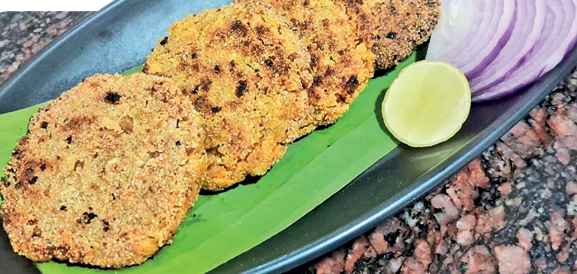
Seasonal bamboo shoots find a delicious new avatar in these crisp cutlets, flavoured with coconut and aromatic spices. Shallow-fried until golden, they make for a wholesome snack or appetiser. “Chop the onions finely and mix them with finely chopped, thoroughly washed, and well-squeezed bamboo shoots. To this, add the rest of the ingredients, including salt, garam masala, turmeric, jaggery, and grated coconut, except the oil. Shape the mixture into patties, coat them in semolina, and shallow fry them on a griddle,” shared Chef Priti. Bamboo shoot cutlets are low in calories, high in protein, and rich in vitamins B and C. They are also a good source of fibre, support gut health, and may help reduce blood pressure.
MALABAR SPINACH SOUP
Malabar spinach grows almost like a weed once you plant it. It’s a very easy-growing creeper, and you can grow it in your garden, on your terrace, or even on your balcony if you live in a flat or don’t have a garden. To make the Malabar spinach soup, “Take the tender leaves of Malabar spinach, wash them well, and blanch or boil them with a generous amount of peeled garlic. Then drain the water. Don’t use too much water because when you drain it, the excess water takes away the nutrients. Once cooked, blend it well, add a little salt and pepper, and keep it aside. Heat a little oil, butter, or olive oil in a pan, toss in a little more garlic, and add the blanched spinach purée. Then add homemade coconut milk. Finely chop some garlic, roast it, and pour it over the soup. It just takes the soup to another level,” shared Assavri.
MASKA BHAJI
A wholesome seasonal preparation, Maska Bhaji (Moringa leaves subzi) combines moringa leaves with dal and jackfruit seeds to create one of the most nutritious monsoon delicacies. “Wash and finely chop the moringa leaves. Separately cook the dal and jackfruit seeds till tender. Mix the leaves, dal, and seeds with the dry red chillies and cook. Add salt and a bit of jaggery to taste. Lastly, add grated coconut and mix,” shared Priti Sadekar, culinary expert and chef from Ponda. Maska Bhaji has an earthy, slightly bitter, and nutty taste. Rich in fibre, protein, iron, potassium, and vitamins A and C, it also contains antioxidants and anti-inflammatory compounds. It may help support blood sugar management, detoxification, and bone health.