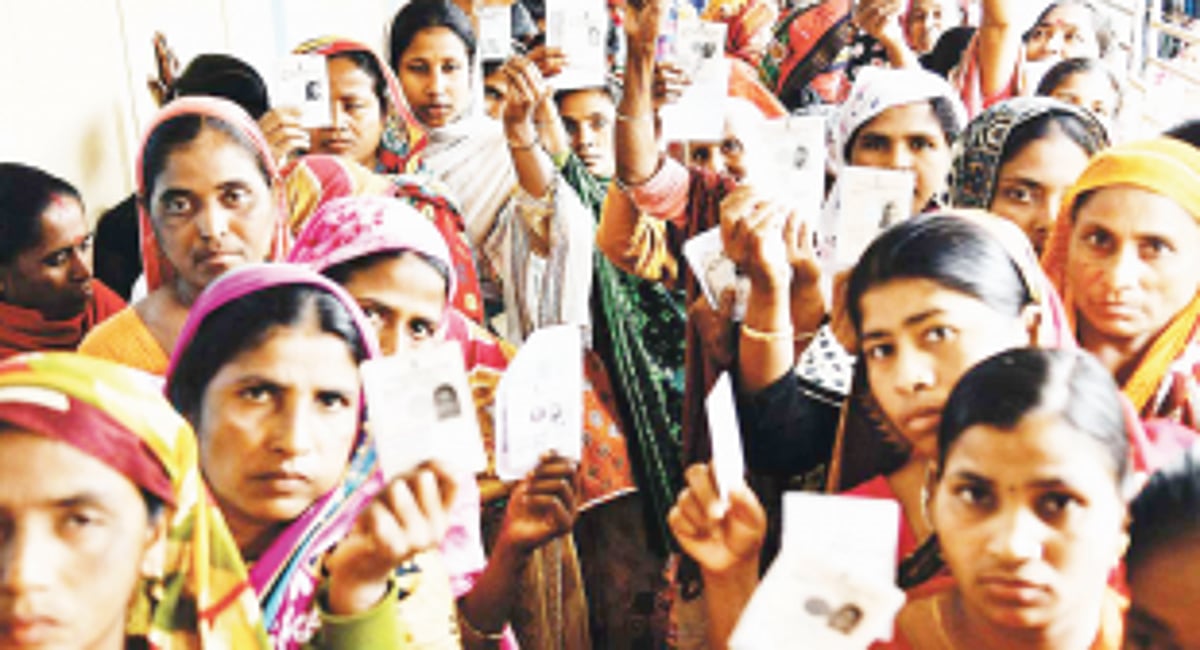
Their main problem is irregular water supply as the pipeline is 45 years old, damaged and needs to be replaced. Their claim is that the issue has turned major and people have started facing health problems as they have to remain awake at night or wake up from their sleep to fill water. Despite several complaints, they say that their pleas have been not heeded, and so the treat to boycott the polls as a means to awaken the government to their plight.
Two months ago the State became the first in the country to supply 16,000 litres of water per month free to its consumers. It was a scheme meant to save water, whereby households that would cross the 16k litres of free water would have to pay a much higher tariff for the water. The aim was to make people realise the importance of water and have them consume it judiciously without wastage. While the Goa government promised free water, what it did not assure was regular water supply, and that is what the people of Goa want more than a freebie in the form of free water. This is clear by the protest from the people of Assagao. What is the use of free water, if there is not enough of it?

In August this year when the government had made the free water announcement, Herald had suggested in this column that first the water supply management in the State needs to be streamlined before it is offered free to the consumers. The reasoning behind this was that Goans never demanded free water supply, but want a proper supply with adequate pressure. The government requires to immediately plug the wastage of water, have uninterrupted water supply, increase the supply hours. To the consumer, all this is more important as no supply of water means an additional expense on the water tankers that charge exorbitant amounts. The choice is between regular water supply and free water.
The no water no vote protest by the villagers of Assagao also amounts to a scathing indictment of the har ghar jal programme of the government. In October last year the government claimed for itself the ‘unique distinction of becoming the first ‘Har Ghar Jal’ State in the country. It had claimed that it had provided 100 per cent functional household tap connections in the rural areas covering 2.30 lakh rural households. Having done the math at that time, Herald had asked whether Goa had really achieved this target as there was a gap in the statistics of the government of around 30,000 households. Herald had gone further and its team had fanned out across the State and found that the ground reality was far different, as people still stood at community taps to collect potable water for their daily needs.
For Goa the promises of regular water supply will remain a pipedream. Past government have promised it, but none has been able to fulfil the promise. It is also unlikely that this can be delivered anytime soon. The State does not have the infrastructure for this and there are just too many snags in the system for it to be achievable. Goa, however, has abundant availability of water. It receives on an average 100 inches of rainfall a year and has a number of rivers and rivulets, but rainwater harvesting is still to catch on. On priority, Goa has to augment its water supply system to ensure that there is, for the immediate, a regular supply of water. Uninterrupted supply can happen at a later date. If consumers have no water, what is the point of making it free?