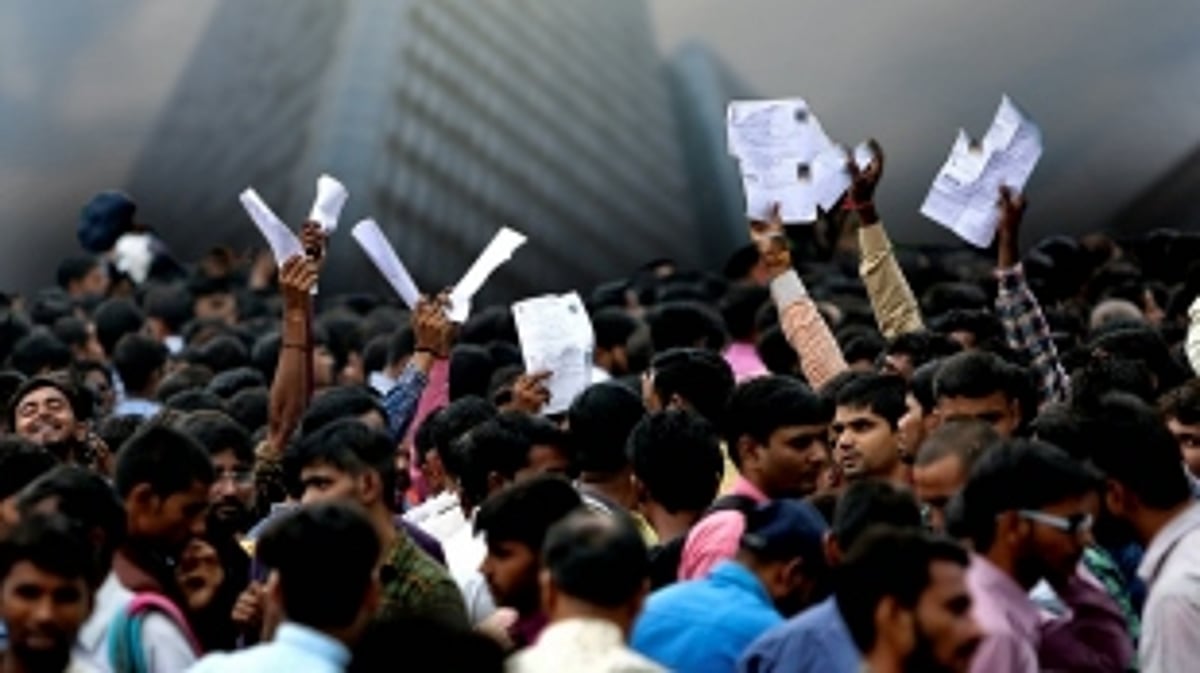
The middle-class taxpayer citizens of India have high hopes from the upcoming Union budget this year. Every year, they have either been served with ‘Thank You taxpayers’ or an ‘old and new regime tax-paying offers’ or even with minor changes in attractive packaging of tax slabs.
The 650 million of our population which are the middle-class are ‘not considered as vote bank’ and they have been just considered as tax payers and prospective tax payers. The taxpayers not only pay income tax but also the Goods and Services Taxes (GST) which effectively dents the income of the salaried class by at least 50 per cent and above.

Taxes are paid most honestly by the salaried class, thus they should be given `recognition and credence’ and they have the entitlement to receive the greatest advantages as they are the ones who foot the bills of the government. The anticipation among salaried people for the upcoming Union Budget proposals in terms of tax reliefs – decrease of tax rates/extension of tax slabs, increase in deductions, simplification of compliance procedures, etc – grows with each passing year but all in vain at the end of the budget speech by each Union finance minister.
The general elections are barely a year away, so expectations may be higher this year than they would be in any other year but as expressed earlier, the middle-class taxpayer is not seen by the governing parties as ‘Vote Bank’. In the previous year, tax rate reductions have given to corporates much-needed boost but the benefits of that was never felt by the purchasers of their products as was considered and dreamt by the finance minister.
Because of the rate cuts, the government’s tax base has expanded, increasing its ability to collect direct taxes. In contrast to the foregoing, a salaried person is subject to taxation at rates as high as 42.74 per cent. The disparity between tax rates is substantial, and aligning individual tax rates/slabs in the 2018 budget would promote consumption in a much-needed way, stimulating economic growth. With pandemic hitting hard the buying power also was drastically cut and the middle-class is yet to recover from salary cuts and job losses.
As a salaried employee, one expects that the Union budget of 2023 will adjust the tax slab rates as they have not been altered since FY 2017-18. In FY 2020-21, the government implemented a new tax system with lower tax rates for individual taxpayers. However, in order to take advantage of this benefit, taxpayers had to give up a number of deductions and exemptions that they were entitled to under the previous tax system.
Additionally, there must be an exemption for PF contributions that were taxed in the year they were made. Additionally, most nations have fiscal years that are different from India’s. As a result, it causes problems for taxpayers who claim a foreign tax credit because the overseas tax return is not accessible within the deadline for filing a revised tax return in India. Thus, many believe that the tax return’s timeline must be changed.
Ahead of the Budget 2023, common taxpayers, including salaried employees and senior citizens, are having very high expectations. FM Sitharaman will present her fifth budget speech on February 1, this year. Some of the top expectations include revision of income tax slabs and rates, hike in limits under Section 80C, Section 80C, standard deduction rules and tax relief for homebuyers as well as senior citizens and government employees. Other sectors including auto, real estate, defence, manufacturing, markets, infrastructure, agriculture, start-ups, IT etc. are also having high expectations from the upcoming budget. It is believed that Sitharaman will try to play the balancing act by accommodating both the common taxpayer’s demand to some extent and laying the ground for more pressing issues like job creation, GDP growth, fiscal deficit and capital expenditure push for infrastructure, manufacturing and other sectors. It is never easy for a finance minister to bring smiles on the faces of taxpayers. The effort has to be made as the hapless taxpayers believe that they should either get recognition by means of quota in railway reservations, and shorter queues marked as ‘for taxpayers only’ and sense of pride bestowed by the government on them by not just saying ‘thank you’ at the end of the budget speech.