Venice is on a roll here, after succeeding in pushing out the monstrous cruise liners out of the Caaneregio area. Beginning August 1, 2021, the Venice authorities are now mulling the introduction of ‘entry tax’ in the range of 3–10 Euros by the summer of 2022. No small change by any means. The idea is, an entry fee will not only dissuade the tourist, but will help the authorities plan in setting up entrance quotas, meaning prospective tourists will have to book in advance access to visit Venice. Naturally exempt will be locals and their relatives or visitors that have booked an accommodation in Venice.
Italy’s economy depends on tourism to a huge extent and yet the country is ready to take bold, innovative and difficult steps that will not only redefine tourism in Italy, but also in many other parts of the world. The entire world is watching, because if Venice pulls it off, anyone can. A decision on imposing entry tax not only filters out massive inflow of tourists but also improves the quality of citizens and genuine tourist experience. These decisions are not easy to make but the thought process could have been driven due to pandemic lockdowns that cleared out most of the cities and the local citizens got a glimpse of life without the perils of mass tourism. So when tourism slowly opens up, authorities in these tourist hotspots don’t want to be doing the same mistake of filling up the place with excess travellers.

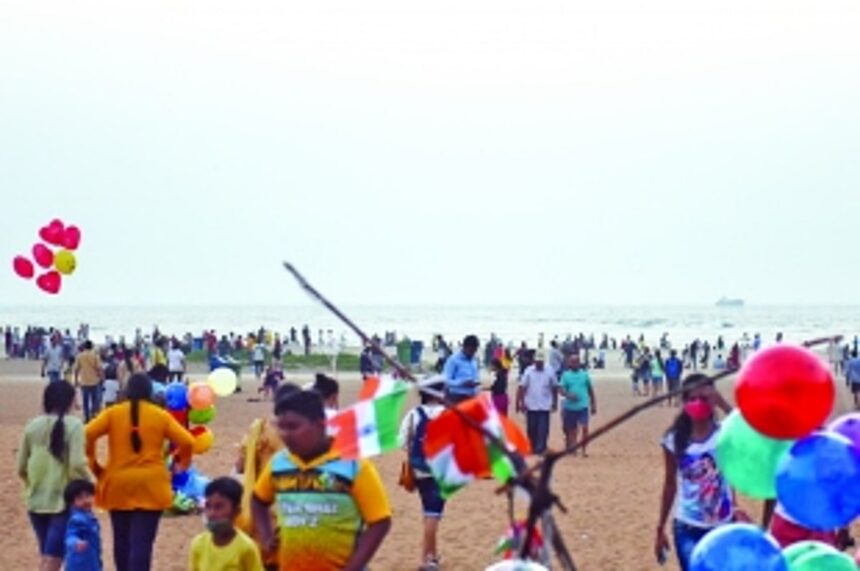
Before the pandemic the world was grappling with excess tourism everywhere, reasons were many and some of them were; easy access to sites, social media fomo, easy connectivity, information at your finger tips and ease of bookings through the internet. Goa being one of the major tourist destinations, made a quick buck with some tourists coming to Goa as tourists and leaving as investors in the tourism industry leaving the locals just flabbergasted spectators.
Post pandemic the situation will have to change; mistakes will need correction, and course altered. Yes, a lot of white elephants in the tourism sector have already been created, and they are going to pressurise the government to throw caution to winds and allow unregulated visitors. It is here the government will have to work like the Italians if they really want tourism to sustain and if they care about Goans.
What the Italian government is trying to achieve post pandemic was suggested by the writer in this publication way back in February 27, 2013, piece titled ‘Tourism – When Less is More’, written in the Goan context. Not saying that the government did not listen, they did levy an entry tax on vehicles to bring some semblance of normalcy on the roads. The only problem was that the tax was peanuts and did not prove too much of a deterrent, in any case it was aimed only to stop vehicles, while other modes of transportation were working in full swing. Unfortunately the tax was withdrawn one fine day without any explanation given and we still don’t know if Goa was arm twisted by Delhi to withdraw this tax.
Taxes such as these should never be considered as source of revenue for the State; they are deterrents and should be treated that way. Not saying it happened, but there is a possibility that the Government was not satisfied with the revenue generated with this entry tax and found some other means to compensate this figure and so withdrew the tax. It could also happen that the tourism industry blamed the entry tax for their dwindling tourist numbers and forced the government to withdraw it.
If you subtract the tourists and long term visitors out of the population, Goa is relatively under populated, which means we can do with some tourists. How many should be allowed must depend on the resources Goa has such as water, electricity, means of transport, size of the coastline etc. Don’t take the tourism infrastructure into account as yet, because at the moment it is on the higher side and as Warren Buffet’s saying goes ‘When the tide goes out do you discover who’s been swimming naked’. So let the down trend play out, we will be able to separate the wheat from the chaff.
There is also another factor to consider, all resources Goa possesses are finite and the first right to consume should be the locals living in the place. Nobody is asking it for free but uncontrolled tourism creates unnecessary demand with fallout being sky rocketing of prices on Goa’s staple diet of fish. Same goes with space at the Goan beaches, we cannot allow moneyed tourists take away space relax on beach beds while the locals have no space to take a relaxed walk on the beach.
Fighting for fish or hustling for walking space on the beach can all be solved if Goa agrees on the number of tourist that are to be allowed at any given time. The entry tax is just one measure to control access. Critics might argue that Goa will than look like a theme park where you buy an entry ticket and subsequent tickets for the rides. Agreed it should not have to come to this, but there is no other way if there is a mad rush at the gates. It’s like going to the movies you cannot access if you see a ‘House Full’ board outside the auditorium. If you are at the theatres your entry is restricted if you are late and have to wait outside till one act of the play is over. Simple we cannot penalise people that came on time to appreciate the play even if you paid the same ticket price. Same logic here, we cannot inconvenience the locals just because it has become fashionable for everybody to have a ball in Goa.
The local businesses of Venice will take a hit for the time being, the local pizza guy, the fishermen, the Murano Glass makers and sellers, the gondoliers, the restaurants owners, but the pandemic has given them an opportunity they are not going to miss to reset their goals for tourism. Goa should do the same, the tourism pie cannot elude the Goans now.
(The author is a business consultant)