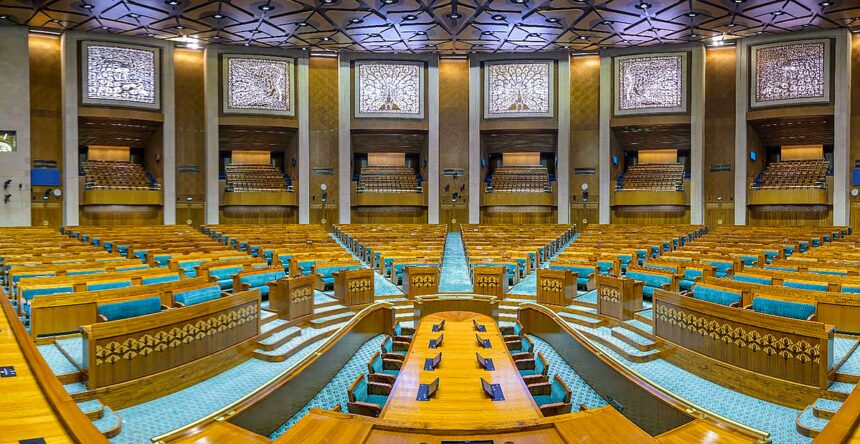
The political atmosphere in the country has intensified due to the upcoming Rajya Sabha elections. Amid discussions about Bihar Chief Minister Nitish Kumar possibly moving to the Rajya Sabha, many people have started asking an important question — what exactly is the role of a Rajya Sabha Member of Parliament?
Unlike Lok Sabha MPs, Rajya Sabha MPs do not represent a fixed parliamentary constituency. Despite this, they still participate in development work and receive salaries and various facilities. Let us understand in detail how Rajya Sabha MPs are elected, what their responsibilities are, and what salary, allowances, and development funds they receive.

How Rajya Sabha MPs are elected
First, it is important to understand how a Rajya Sabha MP is chosen. While Lok Sabha MPs are elected directly by the public, the election process for Rajya Sabha members is different.
In Rajya Sabha elections, the general public does not vote. Instead, Members of the Legislative Assembly (MLAs) of the respective states cast their votes to elect Rajya Sabha MPs.
The election follows the Single Transferable Vote (STV) system. Under this system, voters rank candidates according to their preference. A special formula is used to calculate the number of votes required for a candidate to win.
For example, if elections are being held for 11 Rajya Sabha seats in a state, one is added to the total number of seats. This makes the number 12. The total number of seats in the state assembly is then divided by 12.
The formula used is:
Total number of MLAs / (Vacant Rajya Sabha seats + 1) + 1
This calculation determines the minimum number of votes a candidate needs to secure a seat in the Rajya Sabha.
Salary and allowances of Rajya Sabha MPs
According to a notification issued by the Ministry of Parliamentary Affairs last year, the salary of both Lok Sabha and Rajya Sabha MPs was increased.
Currently, MPs receive a monthly salary of 1.24 lakh. In addition to this, they are entitled to a daily allowance of 2,500 when Parliament is in session.
Besides the salary and daily allowance, MPs also receive several additional benefits.
Facilities provided to Rajya Sabha members
Rajya Sabha MPs receive a number of facilities to help them carry out their parliamentary responsibilities effectively.
These facilities include:
- Government accommodation in Delhi
- Free or subsidised travel facilities
- Telephone and internet services
- Office space and staff support
- Medical facilities for themselves and family members
These benefits ensure that MPs can perform their legislative duties efficiently.
Pension for former MPs
The government has also increased the pension for former Members of Parliament.
Former MPs now receive a pension of 31,000 per month. If a person has served as an MP for more than five years, an additional 2,500 per month is added for every extra year of service.
Development funds for Rajya Sabha MPs
Unlike Lok Sabha MPs, who represent specific constituencies such as Varanasi or Patna, Rajya Sabha MPs represent the entire state.
This means they can recommend development work in any district or area within the state they represent.
Like Lok Sabha MPs, Rajya Sabha members also receive 5 crore per year under the Members of Parliament Local Area Development Scheme (MPLADS). This fund is allocated through the district administration and is used for projects such as building schools, roads, community halls, and other public infrastructure.