The Supreme Court on Friday sharply questioned the National Testing Agency (NTA) over the NEET-UG paper leak controversy, raising concerns about examination security, accountability and the effectiveness of institutional reforms introduced after the breach. The bench observed that despite multiple committees, monitoring systems and oversight mechanisms being put in place, the leak still occurred, prompting serious questions about how such failures continue within one of the country’s largest entrance examinations.
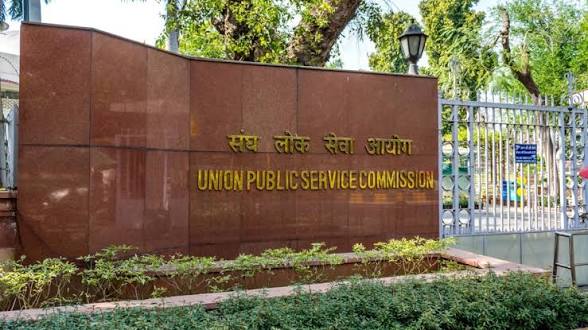
During the hearing, the court compared the situation with the examination framework followed by the Union Public Service Commission (UPSC), noting that similar paper leak incidents had not affected civil services examinations. The judges indicated that the NTA may need to study and adopt stronger institutional safeguards and operational practices from other national examination bodies.

Solicitor General Tushar Mehta appeared for the Centre and the NTA, while former ISRO chairman Dr K Radhakrishnan, who heads the High-Level Committee on examination reforms, also addressed the court. Justice P S Narasimha questioned the committee on what gaps still remained despite extensive recommendations and whether monitoring systems were functioning effectively after reforms were introduced.
Responding to the court’s concerns, Dr Radhakrishnan informed the bench that the committee had submitted 101 recommendations aimed at strengthening examination administration and security procedures. Of these, 60 recommendations were identified as short-term measures for implementation during the 2025-26 examination cycle. According to the committee, several reforms have already been executed, while others remain under implementation.
Dr Radhakrishnan acknowledged that vulnerabilities in the question paper setting process had contributed to the leak. He told the court that the process has now been revised under a secured testing framework designed to minimise risks and improve monitoring. He also stated that expert assistance from institutions such as IITs and specialised agencies was being used to strengthen operational oversight.
The Supreme Court, however, stressed that reforms alone would not solve the problem unless clear accountability mechanisms were established. The bench observed that repeated committees and discussions would have little value if institutions failed to identify responsibility for lapses. It emphasised the need for permanent institutional safeguards rather than temporary corrective measures.
The Centre assured the court that investigations into the paper leak were continuing and that additional security measures would be implemented ahead of the June 21 re-examination. The court also directed the Ministry of Education to file a detailed affidavit explaining how long-term institutional accountability and examination governance reforms would be ensured in future.