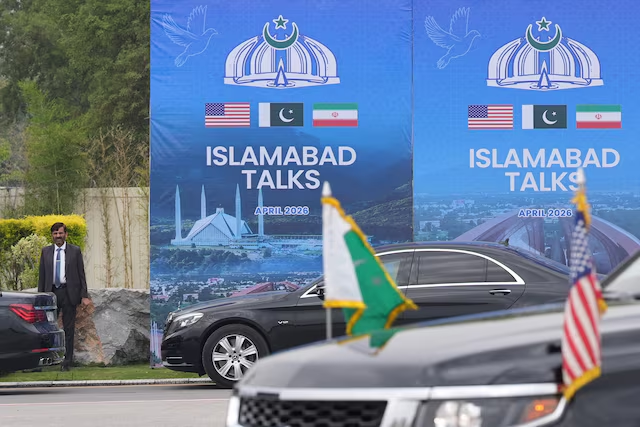
Historic negotiations between the US and Iran in Islamabad ended in deadlock after 21 grueling hours, dashing hopes for a permanent end to their West Asia conflict. Delegations arrived Friday under a fragile two-week ceasefire, but mutual accusations flew as no deal materialized.
High-Stakes Lineup Faces Off
The US team, led by Vice President JD Vance, included special envoy Steve Witkoff, Jared Kushner, Deputy NSA Andrew Baker, and Michael Vance. Iran countered with parliament speaker Mohammed Bagher Ghalibaf, Foreign Minister Abbas Araghchi, defense council secretary Ali Akbar Ahmadian, central bank governor Abdolnaser Hemmati, and ex-IRGC commander Mohammad Bagher Zolghadr. Yet, clashing red lines proved insurmountable.

Nuclear Standoff Takes Center Stage
Vance labeled the outcome “bad news” for Tehran, pinning failure on Iran’s refusal to commit against nuclear weapons or rapid enrichment tools. He called the US proposal their “final offer”, a non-negotiable red line for President Trump. Iran rejected these as “unreasonable demands,” insisting it seeks no atomic bomb while defending 21 hours of intensive talks to safeguard national interests.
Competing Demands Fuel Impasse
Tehran’s wishlist featured economic reparations for US-Israeli strikes, an end to hostilities against proxies, and full sovereignty over the Strait of Hormuz. Washington demanded the waterway’s reopening and a total halt to Iran’s nuclear program. Exclusion of Lebanon from any peace framework further eroded the truce’s stability.
Fragile Ceasefire Hangs in Balance
With Israel sidelined from talks and warships reportedly nearing the Gulf, escalation looms. Iran’s state media blamed American inflexibility; Vance countered that US terms were “flexible.”
(This story has been published from a syndicated feed)