Bangladesh is facing one of its most serious energy crises in years, with a shortage of natural gas severely affecting electricity generation. The resulting power deficit has led to prolonged load-shedding across several parts of the country, particularly outside the capital Dhaka.
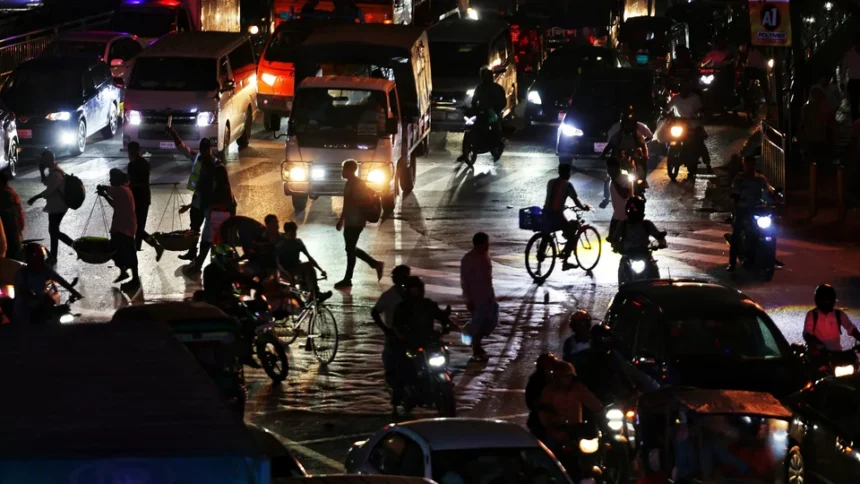
The crisis has forced the government to introduce stricter measures aimed at reducing electricity consumption. Under a new directive that came into effect on Thursday, shops, markets and shopping malls have been ordered to close by 8 pm.

Commercial establishments can operate between 11 am and 8 pm, while hospitals, pharmacies and businesses dealing with food have been exempted from the restrictions.
Bangladesh Turns to India for More Diesel
As the energy shortage worsens, Bangladesh has sought additional diesel supplies from India.
Indian High Commissioner Dinesh Trivedi recently met Bangladesh’s Power, Energy and Mineral Resources Minister Iqbal Hassan Mahmood to discuss cooperation in the energy sector.
The Indian High Commission said the two sides exchanged views on strengthening India-Bangladesh cooperation in power and energy.
After the meeting, Mahmood said Bangladesh was seeking increased diesel supplies through an existing cross-border pipeline with India.
“We have a pipeline with India through which diesel is supplied. We have asked them to provide more,” he said, according to PTI.
The minister said additional diesel would help Bangladesh deal with the ongoing shortage of fuel, gas and electricity.
Electricity Shortfall Hits Several Regions
The gas shortage has significantly reduced electricity generation, leaving the national grid struggling to meet demand during peak hours.
Reports indicate that several regions have experienced extended periods of load-shedding, with some areas facing outages lasting 8 to 10 hours. The situation has placed additional pressure on households, businesses, agriculture and industries.
The crisis is particularly severe in areas outside Dhaka, where electricity shortages have become a growing source of public frustration.
The reduction in available gas has directly affected gas-fired power plants, further widening the gap between electricity demand and supply.
Iran Crisis Adds to Energy Pressure
Bangladesh’s energy problems have also been aggravated by disruptions in global fuel and LNG markets linked to the wider Iran crisis.
The global energy shock has increased volatility in fuel and liquefied natural gas prices, making it more difficult for energy-importing countries to secure adequate supplies.
Bangladesh has therefore been forced to combine demand-reduction measures with efforts to secure additional fuel supplies.
8 PM Closure Aims to Save Electricity
The decision to shut commercial establishments by 8 pm is part of the government’s wider effort to reduce electricity consumption during a period of severe shortages.
The measures are expected to ease pressure on the national grid, although their impact will depend heavily on whether gas and fuel supplies can be restored.
For now, Bangladesh is looking towards neighbouring India for additional diesel while attempting to manage widespread power cuts and conserve electricity.
The crisis has highlighted the vulnerability of Bangladesh’s power sector to disruptions in gas, LNG and fuel supplies, with the government now facing pressure to restore stable electricity generation while limiting the impact on businesses and ordinary consumers.