The Goa Agricultural Tenancy Act, 1964 was enacted just after Liberation in the background of the need for major land reforms in the then Union Territory after over 450 years of colonial rule. The Maharashtrawadi Gomantak Party that came to power after Liberation won with the support of the marginalized classes that were basically landless agriculturists.
According to the Tenancy Act and the Mundkar Act, twins born out of the land reform movement in Goa, the tillers and the occupants of the land became the owners. If you worked the land, you became a tenant and could buy the land at a very nominal rate and if you had a house on the land, you became the owner of 300 sq mts of land for your dwelling. The land became yours at a nominal price and under very easy terms.
The issue remained so for almost 50 years with disputes settled by Mamlatdars, and many tenants did secure their rights.
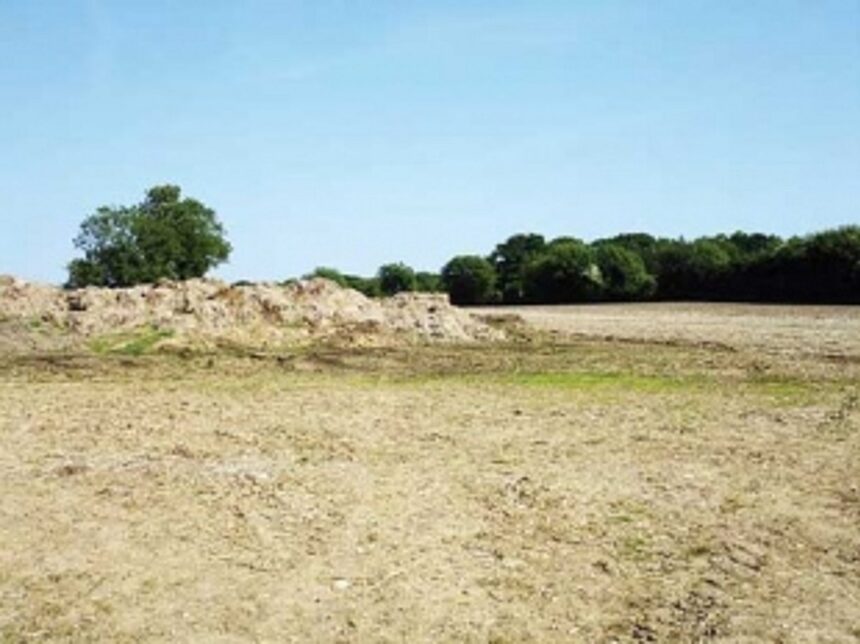
However, the rise in industrialisation, education and real estate, coupled with scarcity of land led to lands remaining fallow as people saw the opportunity for a jump in incomes that agriculture could not give and preferred to keep the land fallow or make a deal with the real estate industry.
Constructions came up in the fields; there were large scale conversions of orchard land, especially on the coast that became increasingly urban with buildings in what were once verdant fields or orchards. A case in point is the Calangute-Candolim coastal belt.
According to Ramakant Khalap, former Union Minister of State for Law, this controversy can be addressed in ways by which Goa may take at least one major step towards saving land for Goans.
“Government may set for itself a sunset time frame within which Government in the first instance completes the process of registration of tenants as deemed owners and deal with those cases where there may be bona fide objections to tenancy and or deemed tenancy,” he says, admitting that this is not an easy task for the objector as the only proof to be considered is of lawful cultivation on the appointed date which is almost half century old.
According to him a bold remark across the “sanad” and Record of Rights that the land is not transferable will effectively seal the issue of sale of such lands. Simultaneously all cases of sale of agricultural lands during the last five decades may be investigated through a commission of enquiry. Every piece of agricultural land must have had a cultivator if it was not personally cultivated by the erstwhile owner. If the enquiry reveals such a position, the sale would be an outright violation of the Tenancy Act and therefore null and void. “This will help at least the villagers of places like Tiracol to retrieve their lands illegally sold to upcountry moneybags,” he says.