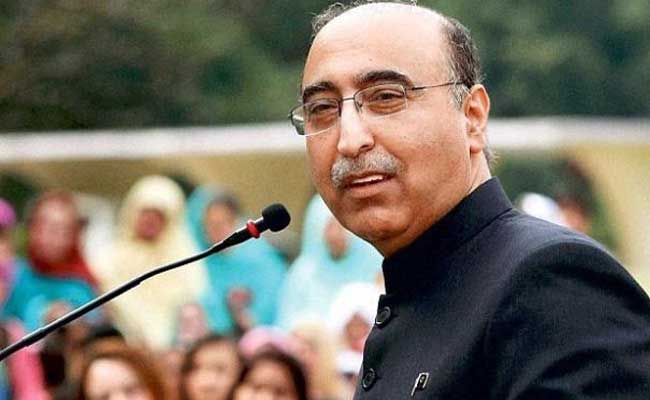
Former Pakistani diplomat Abdul Basit sparked controversy during a TV interview by suggesting that attacking Indian cities like New Delhi and Mumbai should be Pakistan’s “default move” if the country were attacked by the US. His comments came in response to US Director of National Intelligence Tulsi Gabbard’s warning about Pakistan’s long-range ballistic missile programme.
Basit, who previously served as Pakistan’s high commissioner to India, criticised Gabbard for what he described as an “anti-Pakistan” viewpoint. He said Pakistan’s missile deterrence is India-specific, claiming the country lacks intercontinental missile capability and could only target nearby countries in a worst-case scenario. Basit controversially suggested that, in case of a US attack, Pakistan might consider striking India.

He added that India-US strategic ties mean the US would not focus on India the way it does on Pakistan. “We must not assume the US will ever be our strategic partner,” he said, emphasising that Pakistan should take “whatever benefit you can” from cooperation under former President Donald Trump.
Basit also criticised Indian think tanks for being dominated by Indian-origin individuals and suggested this influenced perceptions of Pakistan’s threat. He referenced past attacks on Mumbai, saying, “We have done it earlier. We will do it from here,” in remarks that evoked memories of the 26/11 terror attacks.
Experts and viewers condemned Basit’s statements as provocative and irresponsible, highlighting the dangers of such rhetoric from a career diplomat. Analysts said such comments could inflame tensions between the two countries and undermine efforts at diplomatic stability.
The incident has reignited debates over Pakistan’s nuclear and missile strategy, India-Pakistan relations, and the responsibilities of former diplomats in framing public discourse.