In Indian spiritual and artistic traditions, mudras or hastas are symbolic hand gestures used in iconography, ritual, dance, and meditation. Each gesture conveys a specific meaning or represents a particular state of mind, deity, or philosophical concept. Below is a comprehensive list of significant mudras and their interpretations:

Gestures of Assurance, Reverence, and Meditation
Abhaya Mudra: The “fear not” gesture, signifying protection. The hand is raised with the palm facing outward and fingers extended upward.
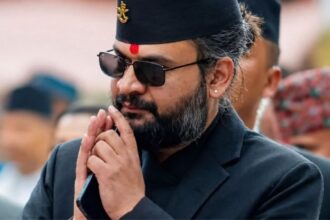
Añjali Mudra: A gesture of salutation or greeting, with palms joined together and a hollow space between them, placed at the chest.
Namaskaru Mudra: Similar to Añjali, used in prayer or adoration with palms pressed together at chest level.
Dhyana / Yoga Mudra: Gesture of meditation. Both hands rest in the lap, the right palm over the left, fingers extended, and palms facing upward.
Uttarabodhi Mudra: Symbol of ultimate enlightenment or perfection. All fingers are interlocked with index fingers and thumbs touching and pointed upwards.
Gestures of Teaching, Argument, and Exposition
Chin Mudra: Gesture of knowledge, with thumb and forefinger forming a circle, palm facing outward. Also called Vyākhyāna or Sandarśana Mudra.
Vitarka Mudra: Mudra of discussion or debate. Thumb and index finger form a circle, remaining fingers extended upward.
Iñāna Mudra: Used near the chest, thumb touches the middle or index finger, with palm turned inward.