AUGUSTO RODRIGUES
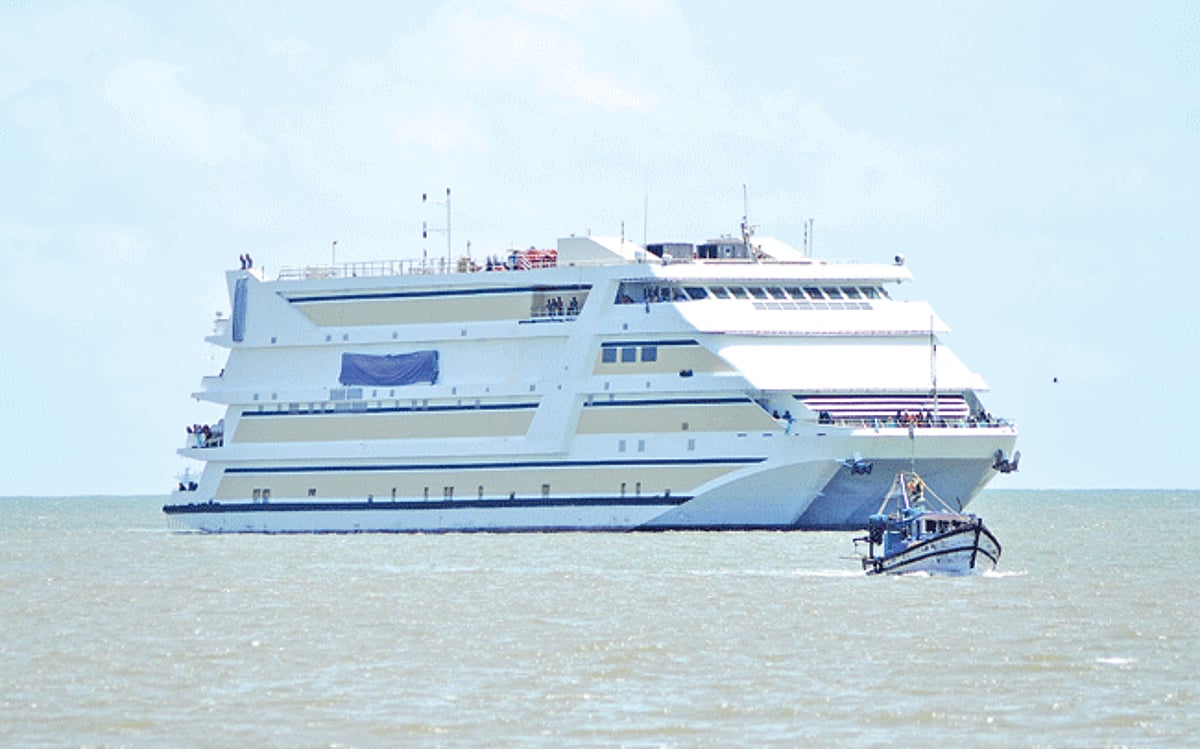
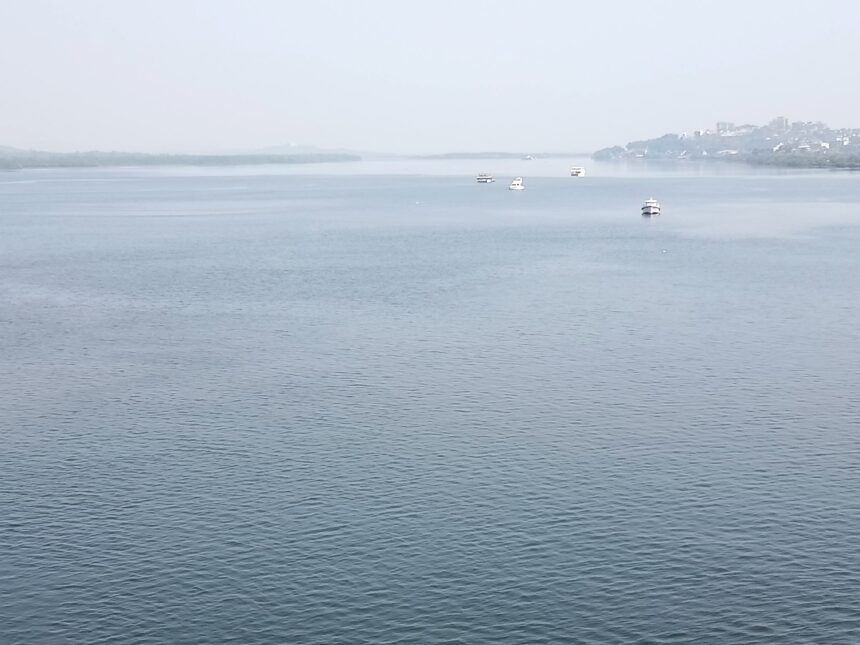
PANJIM /SIOLIM: In a move widely viewed as a “silver lining in the cloud”, Goa has become the only State in India to successfully reclaim jurisdiction over its six primary rivers—the Mandovi, Zuari, Chapora, Sal, Cumbarjua, and Mapusa. This restoration of authority follows a strategic Memorandum of Understanding (MoU) with the Central Government, effectively reversing the shift in control that occurred when the rivers were declared National Waterways under the National Waterways Act, 2016.

The six rivers now flow smoothly through the State after a MoU was signed between Inland Waterways Authority of India (IWAI) and Captain of Ports (CoP), Government of Goa on January 10, 2025 at Kaziranga, Assam for a period of five years unless extended with mutual consent of both parties in writing.
Goa’s campaign to win back its rivers began with the office of the Captain of Ports proving to Central government authorities that the disadvantages of the Act outweigh the advantages as Goa was losing jurisdiction of its rivers.
Prior to the National Waterways Act 2018, IWAI looked after the administration of waterways as per the 1985 Act and Section 27 of the Act mentioned that jurisdiction of the waterways in Goa would continue under the Captain of Ports, Goa.
Section 27 of the 1985 Act reads: “The Provisions of this Act shall be in addition to the provisions of the Indian Ports Act, 1908 (15 of 1908) and the major Port Trust Act and in particular nothing in this Act shall affect any jurisdiction, functions, powers or duties required to be exercised, performed or discharged by – (a) the conservator of any port or by any officer or authority under the Indian Ports Act 1908.”
“It was based on Section 27,” recollects Constantino D’Sa who led Goa’s fight back as Radio Officer at CoP, Goa, “that IWAI accepted the need to give us back our jurisdiction. It was a long battle of two years. In the end, they agreed and the MOU was signed giving us back the jurisdiction of our rivers. ”
“Initially, there was resistance to even encourage attempts to discuss with central authorities. The thumb rule was clear; follow what the Centre wants, accept the 2016 Act,” recollects D’Sa.
“Once we showed them the lacunas they realised Goa had a point and after much convincing, the MoU was signed,” clarified D’Sa.
For Rajendra Kerkar, environmentalist who has been waging a war to halt diversion of Mhadei River to Karnataka,” the signing of the MoU is a good step of the government. This is a case of something is better than nothing.”
“The government should now exercise its control over the rivers because rivers are our State property. No doubt, we are Indians but we are also duty bound to see that the interest of local fishermen are kept in mind and the ecology of the place is preserved,” explained Kerkar.
“Our rivers are getting polluted and the government needs to stop this and see that more rivers do not get polluted. This is a natural resource that affects the life of every individual and hence the government’s role is important,” added Kerkar.
The MoU signed between Government of Goa and IWAI has three responsibilities assigned to the latter whilst the former is left with 14 and the MoU is amenable.