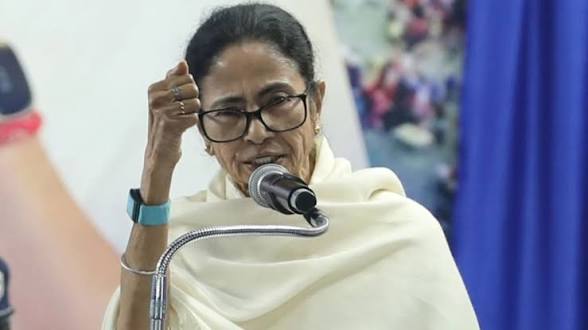
Mamata Banerjee suffered a major political setback in 2026 as BJP leader Suvendu Adhikari defeated her in Kolkata’s Bhabanipur, a seat long considered her stronghold. The defeat comes five years after Adhikari had unseated her in Nandigram, marking a significant moment in West Bengal politics.
The closely fought contest witnessed multiple swings through the day. Mamata Banerjee initially recovered from an early deficit and even built a lead of over 19,000 votes. However, the margin narrowed sharply in later rounds before Adhikari surged ahead, eventually winning by around 15,000 votes.

Bhabanipur’s complex demographic mix—often described as “Mini India”—played a key role. A noticeable consolidation of non-Muslim votes, alongside a shift among sections of Bengali Hindu voters, appeared to favour the BJP. Additionally, the Special Intensive Revision (SIR) of electoral rolls, which saw thousands of names removed, may have impacted the TMC’s traditional support base.
Political observers also point to growing urban fatigue with the All India Trinamool Congress government, along with concerns over governance and recent controversies. Welfare schemes remained central to Banerjee’s campaign, but seemed insufficient against a broader anti-incumbency wave.
The BJP’s strategy of fielding Adhikari turned Bhabanipur into a high-stakes battleground, ultimately reshaping the political narrative in the state.