MARGAO: A joint inspection of the Cutbona fishing jetty held on Tuesday has revealed multiple lapses in sanitation, water supply, infrastructure, safety and management, raising concerns over preparedness ahead of the resumption of fishing activities after the monsoon.
The inspection was carried out by officials of the Bali Primary Health Centre (PHC) following written representations submitted by the Goa Civic and Consumer Action Network (GOACAN) and the Velim Civic and Consumer Forum to the health officer in charge of the PHC as well as to the Directorate of Fisheries, seeking an on-site inspection of the facility.

During the visit, several deficiencies were observed, including poorly maintained toilet facilities, shortage of water and restricted access for workers. It was pointed out that at the time of the jetty’s inauguration, authorities had assured that toilet facilities would be provided free of cost, but this has not translated effectively on the ground.
“First of all, we saw that the toilet facility… there is a shortage of water, and at times even the toilet gates are closed, so workers are not able to use it properly,” said GOACAN convenor Roland Martins, speaking to the media after the inspection. He added that despite assurances, “a lot of deficiencies” remain.
He further noted irregularities in the management of the facility, pointing out that even the staff in charge lacked basic identification. “The person in charge did not even have a uniform. It was very shocking to see that,” he said, adding that the matter would be taken up with Sulabh International to ensure regular monitoring, adequate water supply and proper staffing.
A broader shortage of water across the jetty emerged as a major concern, affecting sanitation, drinking and operational needs. Martins said a comprehensive review of water requirements was necessary.
“Whether it is for drinking, washing or operational needs, without proper water facility, the entire fishing operation will be affected and the conditions in which workers function will be in jeopardy,” he said.
The inspection also revealed that waste management remains inadequate, with the jetty not being cleaned or washed regularly. Accumulation of waste was flagged as a concern, with calls for the appointment of a responsible agency and a clear system for maintenance.
Safety concerns were raised over unauthorised activities being carried out within the jetty premises. Welding work and fabrication of tanks were found taking place in sheds meant for fisheries operations.
“These activities involve gas, electricity and exposed wiring. This can endanger workers, including those not connected with such work,” Martins said.
Infrastructure gaps were also noted, including incomplete sheds reportedly undertaken under a corporate social responsibility initiative.
“These sheds under the ONGC CSR project are unfinished, there are no lights. These are practical problems affecting workers,” he said.
The inspection further highlighted the absence of coordination among stakeholders. Martins said there was no proper engagement with boat owners’ societies and called for structured mechanisms to address issues.
“There has to be clear-cut protocols. The Jetty Management Committee should function regularly with a fixed schedule and involve all stakeholders, including the Fisheries Department and boat owners,” he said.
He added that boat owners are facing difficulties due to the current conditions and suggested that if the Fisheries Department is unable to effectively manage the facility, it should consider handing over operations to the primary stakeholders.
Basic facilities for workers were found to be lacking, including the absence of a canteen and access to essential goods.
“Workers have basic needs — whether it is food or daily-use items like soap — but there is no proper facility. Instead, we see illegal shops operating,” Martins said, highlighting the need for regulated services, including a subsidised canteen and a small store.
From a public health perspective, Martins said a recommendation had been made to the health authorities to start a weekly outpatient department (OPD) facility at the fisheries complex.
“These workers spend long days at sea, are exposed to the sun and harsh conditions. Like any other beneficiary of a health centre, they should have access to medical facilities,” he said, adding that a designated space for such a service is already available.
He also called for heatwave advisories to be extended to workers during the ongoing high-temperature period and for preventive healthcare measures to be strengthened ahead of the fishing season.
Calling for long-term corrective action, Martins urged the Fisheries Department to undertake a comprehensive review and prepare a time-bound roadmap.
“This cannot be a knee-jerk reaction. Government writes, then we inspect, then we find problems. Before the new season starts after the monsoon, all these issues must be addressed in a planned manner,” he said, expressing confidence that the Fisheries Secretary would take personal interest in resolving the issues.
During the inspection, it was also noted that directions issued by the Directorate of Fisheries on April 29 to remove idle vessels, dinghies and fishing nets from the jetty by May 4 had not been complied with, with the materials still found at the site.
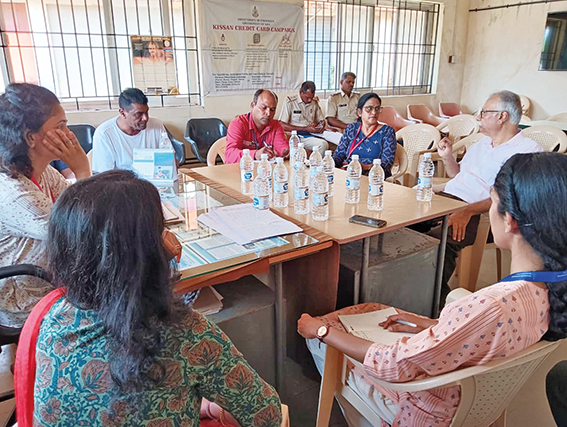
Following the inspection, the issues were discussed at the Fisheries Complex with officials and stakeholders, and further representations are expected to be submitted to the Fisheries Department regarding water infrastructure and overall management of the jetty.
It may be recalled that concerns over hygiene and public health at the Cutbona jetty had surfaced in the past, leading to measures to improve sanitation and water facilities. The latest findings indicate that several of these issues have resurfaced, pointing to gaps in sustained maintenance.