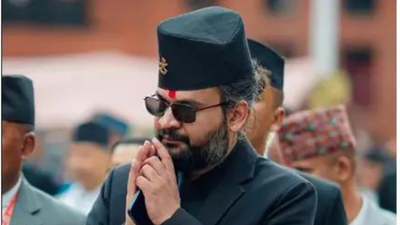
Balendra Shah has accepted an invitation from Narendra Modi to visit India, marking his first major diplomatic outreach since assuming office. According to Nepal’s Foreign Minister Shishir Khanal, both countries are currently coordinating through their foreign ministries to prepare for the visit, which is expected to take place in New Delhi. The trip signals a continuation of high-level engagement between the two neighbours, with the last such visit by a Nepali Prime Minister made by Pushpa Kamal Dahal in June 2023.
Even as he prepares for this important diplomatic engagement, Shah has launched an ambitious 100-point governance agenda at home, aimed at reshaping Nepal’s administrative and social landscape. The reform package targets entrenched issues such as VIP culture, political interference in educational institutions and bureaucracy, delays in public service delivery, and limited access to healthcare for economically weaker sections. It also places emphasis on improving women’s safety in public transport and reducing academic pressure on younger students.

A key aspect of the reform agenda is the government’s plan to depoliticise education and state institutions. The administration has proposed banning political affiliations within sections of the state machinery and dismantling party-linked student organisations in schools and universities within 90 days. These are to be replaced by non-partisan student councils, described as “Voice of Students” platforms.
Additionally, the government is considering reducing the number of federal ministries to streamline governance and improve efficiency. Shah has underlined that educational institutions must remain spaces dedicated to learning, free from political activity. Together, these domestic reforms and diplomatic outreach efforts indicate a dual focus on internal restructuring and strengthening regional ties.