Team Herald
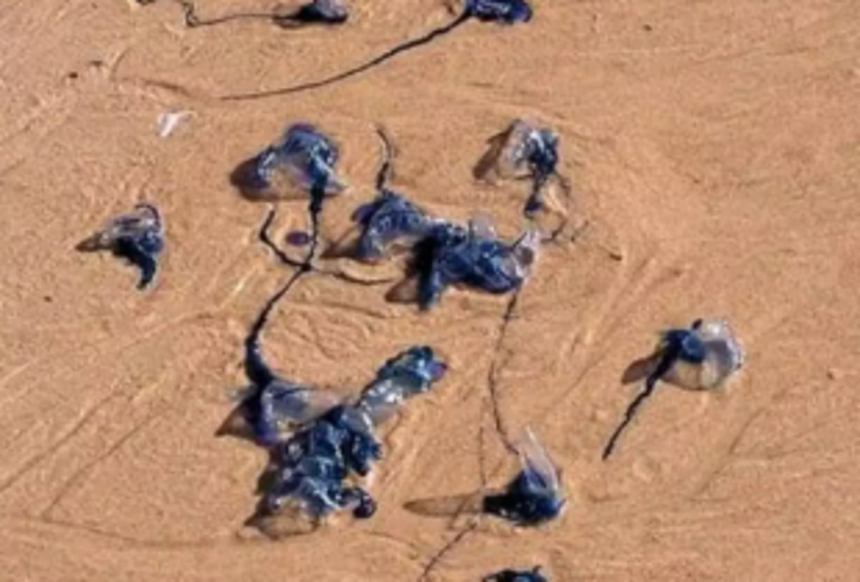
CALANGUTE: A sharp surge in jellyfish activity in the seas off the State led to around 80 persons getting stung by the toxic creatures in the Calangute-Candolim beach belt in the last three months.

Locals as well as tourists have been advised to be cautious of the presence of jellyfish that could possibly be present in the waters or along the shoreline.
Over the last three months, beaches in North Goa reported 140 jellyfish sting incidents, with Calangute and Baga beaches reporting as many as 60 incidents, while 20 jellyfish sting incidents were reported off Sinquerim. The bulk of the jellyfish attacks, 710, were reported along beaches in South Goa. Jellyfish are of two kinds, toxic and non-toxic. While most jellyfish stings are harmless to humans and cause only mild irritation; in very rare cases jellyfish species can cause harm on contact.
The public is also made aware of the presence of jellyfish through announcements made from the public address (PA) system mounted on a vehicle, and the immediate first-aid precautions that should be taken in case a person comes in contact with jellyfish, Drishti Marine, the State-appointed professional water rescue and lifesaver agency, disclosed on Tuesday.
“If stung by a jellyfish inform the nearest lifesaver or approach the lifesaver tower.
Wash the stung area with hot water (as hot as you can stand it) as heat further breaks down the toxins,” the agency stated.
“Generously spray the stung area with vinegar. It is known to diffuse any poison that may be more active in the nematocysts present in the tentacles. Place icepacks on the stung area to reduce the pain and swelling. In case of chest pain and breathing difficulty, visit the doctor immediately,” the agency further cautioned.