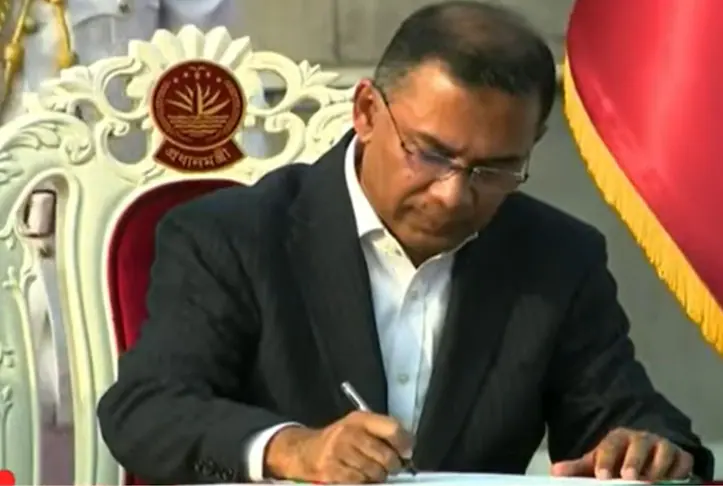
Tarique Rahman’s proposed visit to New Delhi has been thrown into uncertainty as Bangladesh struggles to settle on a clear approach towards India. The visit, reportedly planned for the third week of August ahead of the BRICS summit, appeared to be moving towards execution before plans were suddenly put on hold.
According to diplomatic and Dhaka-based sources cited in the report, back-channel discussions between the two countries are continuing, but the immediate obstacle is Bangladesh’s demand for the extradition of former Prime Minister Sheikh Hasina. Bangladesh Foreign Ministry spokesperson AKM Shahidul Karim has linked the issue to Rahman’s proposed India visit, adding another layer of complexity to already sensitive bilateral ties.

The disagreement over India policy extends beyond the Hasina issue. Nahid Islam, a prominent figure in the student movement that led to Hasina’s ouster, has called for a tougher approach towards New Delhi. He has argued that Bangladesh should not move towards normal diplomatic relations with India until the extradition issue is resolved.
At the same time, differences appear to exist within Bangladesh’s administration over the extent of pressure that should be placed on India. Foreign Affairs Adviser Humayun Kabir and Foreign Minister Khalilur Rahman have both been involved in shaping Dhaka’s India policy, although their public positions have not always appeared identical.
India’s High Commissioner Dinesh Trivedi has held meetings with senior Bangladeshi officials, including Kabir and the foreign minister. He later returned to Delhi and met Prime Minister Narendra Modi, underlining the importance of ongoing diplomatic engagement.
However, sections of Bangladesh’s bureaucracy continue to favour a pragmatic relationship with India because of several issues that require sustained cooperation. These include illegal migration, management of the 54 shared rivers and the future of the Ganges Water Treaty, which is due to expire in December.
The Hasina issue remains particularly sensitive. Dhaka wants her extradited, while some officials reportedly believe India should at least prevent her from making political statements that could influence Bangladesh’s domestic politics. Her recent public appearance from India has intensified those concerns.
Not all political voices in Bangladesh are advocating confrontation. BNP leader and Bangladesh President Mirza Fakhrul has favoured maintaining a more stable relationship with India. However, demands for Hasina’s return and anti-India sentiment continue to influence political discourse.
India has also signalled that its future approach will be based on “reciprocity”. Political analyst Mubashar Hasan has suggested that Rahman’s tougher position could partly reflect domestic political calculations, allowing the government to demonstrate that it will not yield to New Delhi.
For now, no final decision has been announced on Rahman’s India trip. Dhaka is awaiting India’s response to its extradition request, while diplomatic channels remain active.
The uncertainty surrounding the visit therefore reflects a larger question: whether Bangladesh can reconcile domestic political pressures with its practical need for a working relationship with India.