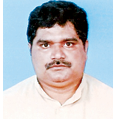
FR VICTOR FERRAO
Noam Chomsky, the renowned linguist and political thinker, has long described modern democracy as “spectator democracy.” In this model, ordinary citizens are reduced to passive observers much like spectators in a stadium while a small elite of politicians, business interests, and media manipulators stage the real game. People are al lowed to cheer, boo, or vote every few years, but genuine participation in shaping policy remains out of reach. The sys tem thrives on manufactured consent, where public opinion is carefully steered through narratives, distractions, and performative gestures. Chom sky argued that this setup protects power structures by keeping the masses enter tained and disengaged rather than empowered. Today, in Goa, this concept feels eerily alive. The rise of social media has not democ ratised politics; it has simply updated the spectator stands with smartphones. Every Member of the Legislative Assembly (MLA) and every political party is now com pelled to maintain a constant online presence. They post photos of inaugurated roads, flooded drainage complaints “resolved,” and smiling selfies with constituents. These digi tal performances are not tools for real dialogue but carefully curated spectacles designed to keep voters watching and liking rather than question ing or organising. The victory of the Revenue Minister and Panjim MLA Atanasio ‘Babush’ Monserrate panel in the re cent Corporation of the City of Panaji (CCP) elections offers a stark illustration of how this spectator dynamic plays out and why it signals a deeper political loss of direction in the capital. In March 2026, the panel led by Monserrate secured a sweeping triumph, winning 27 out of 30 wards in the civ ic polls. On the surface, the celebrations looked like a re sounding endorsement of gov ernance. Supporters danced in the streets, victory rallies echoed through Panjim, and social media timelines filled with hashtags praising de velopment and stability. Yet this very dominance reveals something troubling: a polit ical ecosystem that has lost its bearings. The opposition’s “Ami Panjekar” challenge, backed by figures like Utpal Parrikar, collapsed dramati cally. What should have been a vibrant contest of ideas turned into a one-sided display of or ganisational muscle. Instead of sparking fresh policy debates on heritage preservation, waste management, or sus tainable tourism, and the core issues facing Panjim, the elec tion became another episode in the spectator show. Voters watched the drama unfold on their phones, cheered the win ners, and returned to daily life, leaving the underlying direc tionlessness unaddressed. This loss of direction is not accidental. It stems from the same elite-driven mechan ics Chomsky warned about. Power in Goa has increasingly concentrated among a handful of players who seem to treat public institutions as per sonal fiefdoms. The Babush panel’s victory, while numeri cally impressive, underscores factional consolidation rath er than broad consensus as many of the losers did not lose by great margins. Panjim, the political and administrative heart of Goa, now appears di rectionless because its civic governance is tethered more to ministerial patronage than to genuine local aspirations. Roads may get repaired for the cameras, but long-term planning for climate resilience, traffic chaos, and cultural ero sion may remain sidelined. Social media amplifies the illu sion of progress: one viral vid eo of a cleaned beach or a new streetlight creates the per ception of movement, while systemic failure, rising living costs, environmental degrada tion, and casino menace stay hidden behind the curtain. Compounding this specta cle is the fractured state of the opposition, particularly the accusations swirling around the Goa Forward Party (GFP) president, Fatorda MLA Vijai Sardesai. Recent assembly ex changes and public statements have seen opposition leaders, including the Leader of Oppo sition, question GFP’s role in maintaining unity. Sardesai’s vocal criticism of government policies on law and order, min ing and legislative shortcuts has drawn sharp attention from the public. His inde pendent posturing seems to be misunderstood. While the op position appeared to speak the same language, the disunity is visible to those who have eyes to see. These accusations raise profound questions about the BJP’s shrewd political power play. In a spectator democra cy, division among challengers is not a bug; it is a feature. A fragmented opposition keeps the ruling dispensation com fortably in the director’s chair, scripting the narrative while the public merely consumes the drama. Here lies one of the most intriguing puzzles of Goa’s current impasse: why is this accusation of being Judas not actively engineered as a “Ju das” by the ruling BJP victim ising the GFP? It is therefore difficult to discern who are the real Judas’s or betrayers in a spectator democracy. Is this all directed to the specta tor electorate’s short attention span? By allowing GFP’s inter nal tensions to play out openly, the BJP cleverly maintains the illusion of a robust democratic contest. This strategy appears to be classic spectator man agement: keep the audience focused on the opposition’s supposed Judas while the true power plays stay backstage. The result is a political im passe that feels both stagnant and volatile. On one hand, the Babush panel’s landslide pro jects unassailable strength. On the other, murmurs of dis content over delayed projects, uneven development between North and South Goa, and the creeping influence of big mon ey in civic affairs refuse to die. Social media meant to bridge the gap between leaders and citizens, has instead widened it. MLAs now spend more time curating their digital image than delivering work. Par ties release glossy reports of “achievements” that glitter on the web. The public, mean while, scrolls, likes, and occa sionally vents in comment sec tions, fulfilling the spectator role to perfection. Chomsky would recognise this instantly: the consent is manufactured not through state-controlled television of old, but through algorithmic feeds that reward performance over substance. Yet this very impasse car ries an unexpected invitation. Goa’s people known for their sharp civic sense, the build up of the “enough is enough” movement is praiseworthy. But there are reasons for op timism. When victories feel hollow and accusations expose fractures without resolution, the spectator stands begin to feel uncomfortable. Citizens start asking uncomfortable questions: Why does every infrastructure announcement come with a selfie opportu nity rather than measurable outcomes? Why do opposition cracks conveniently benefit the ruling side? The impera tive to respond is no longer abstract; it is immediate. True political awakening in Goa would mean rejecting the spectator seat. It requires mov ing beyond likes and shares to sustained engagement de manding transparency, organ ising neighbourhood forums that bypass party scripts, and holding MLAs accountable not just at election time but every month. It means recognising that social media presence is theatre unless backed by verifiable action. Chomsky’s critique was never meant to induce despair; it was a call to reclaim agency. In Goa’s con text, the Babush panel’s tri umph and the so-called oppo sition controversies serve as a mirror. They show a system optimised for elite control and public passivity. But they also reveal cracks where informed citizens can step in. The coming months will test whether Goans accept the role of spectators or rewrite the script. The political im passe is not a dead end; it is a crossroads. If the public ris es, demanding participatory mechanisms, cross-party ac countability, and development that prioritises people over optics then spectator democ racy can give way to something far more vital. The question still remains: will the people continue watching the game, or finally begin to play it? (Fr Victor Ferrao is an independent researcher attached to St Francis Xavier Church, Borim, Ponda.)