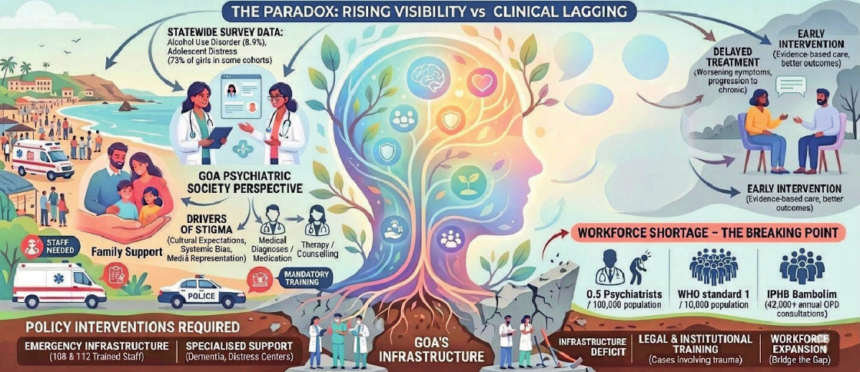
Goa’s mental health landscape is at a critical juncture. While public awareness is surging, our healthcare infrastructure is struggling to keep pace, leaving patients to navigate a system stretched to its limits. VITHALDAS HEGDE unpacks the stark paradox between rising visibility and lagging clinical acceptance, examining the urgent workforce and structural interventions—from Institute of Psychiatry and Human Behaviour (IPHB) staffing to emergency response protocols—needed to build an actionable, integrated framework for care
The paradox of awareness versus acceptance

Today’s mental health landscape is marked by a striking inconsistency: awareness has increased, but meaningful acceptance lags behind. Younger generations are increasingly comfortable discussing mental health through social media and workplace conversations. However, a significant intergenerational divide persists, as many older individuals perceive emotional distress as a sign of weakness or a failure to cope.
While society has become more accepting of mild conditions like stress or situational anxiety, severe psychiatric disorders—such as schizophrenia and bipolar disorder—remain heavily stigmatised. Individuals diagnosed with these conditions often face fear, misunderstanding, and social exclusion, despite advances in modern psychiatric treatment.
Key drivers of stigma
Stigma is sustained by a combination of cultural, institutional and media-driven factors:
Cultural expectations: In traditional settings, mental illness is often viewed as a reflection on family reputation, leading many to prioritise spiritual or traditional remedies over evidence-based treatment.
Systemic bias: Mental healthcare receives significantly less investment than physical healthcare, resulting in chronic shortages of trained professionals and inadequate insurance coverage.
Media representation: Everyday language and media portrayals often use psychiatric terminology as slang or depict those with mental illness as inherently violent, which perpetuates fear and discourages treatment-seeking behaviour.
The consequences are severe. Fear of being labelled “unstable” leads to delayed treatment, often allowing manageable conditions to progress into chronic, severe illnesses. Furthermore, the economic impact—ranging from reduced productivity to housing instability—creates a cycle of vulnerability.
Goa’s infrastructure deficit
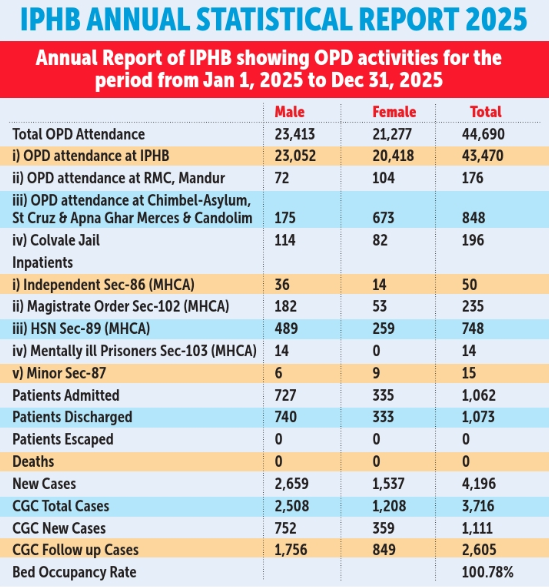
Goa is currently facing a critical shortage of mental health professionals. The State has fewer than 0.5 psychiatrists per 100,000 people—substantially below the World Health Organisation’s (WHO) recommended benchmark of one psychiatrist for every 10,000 people.
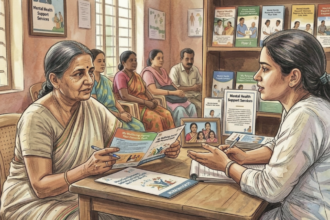
With only about 40 practicing psychiatrists in the State, the load is immense. The Institute of Psychiatry and Human Behaviour (IPHB) in Bambolim records over 42,000 outpatient consultations annually, averaging 120 patients daily. This strain is compounded by a deficit in sanctioned assistant clinical psychologists and psychiatric social workers.
Data indicates that roughly 13.7% of Goa’s population—over 200,000 individuals—will require psychiatric or psychological care at some point. Major challenges include:
Alcohol use disorders: With a prevalence of 8.9%, alcohol dependence is a significant contributor to psychiatric admissions.
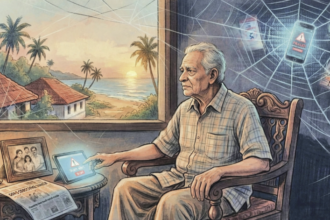
Ageing population: As Goa has the second-highest proportion of senior citizens in India (11.2%), dementia and age-related depression are emerging as urgent public health priorities.
Adolescent mental health: Studies show alarming levels of emotional distress among adolescents, with 73% of girls in some cohorts reporting high levels of psychological distress.
Expert perspectives
Industry leaders emphasise that moving forward requires a multifaceted approach:
“Mental health and wellness are always important, more so nowadays with social media focusing on depression, domestic violence, student suicides, dowry deaths, or men ending their lives due to pressure at home or at work. Recently, we have had entire families ending their lives in a suicide pact; one cannot help but wonder if the tragedy could have been avoided,” said Dr Meenacshi Martins, State President of the Goa Mental Health and Psychological Wellness Council.
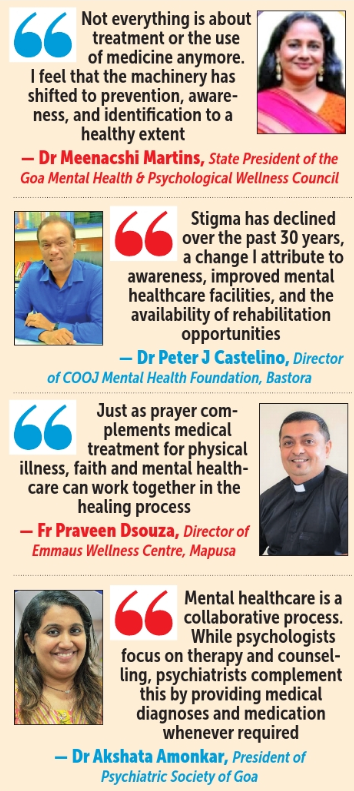
Dr Meenacshi said, “I look back to times when visiting a mental health professional was indeed a taboo, compared to recent times where the new generation wants to visit a mental health professional to seek guidance, help, advice, or even a healthy, career-oriented casual talk. Not everything is about treatment or the use of medicine anymore. I feel that the machinery has shifted to prevention, awareness, and identification to a healthy extent. Though when needed, treatment and therapy are important and have played a crucial role in the management of mental illnesses over the decades.”
Stating that stigma has declined over the past 30 years, attributing this change to awareness, improved mental healthcare facilities, and the availability of rehabilitation opportunities, Dr Peter J Castelino, Director of COOJ Mental Health Foundation, Bastora said, “We at COOJ provide essential support to people with mental health conditions through various programmes, including mental health outreach programmes, rehabilitation services, skill-building and employment support, caregiver support, and counselling, that address the needs of people living with chronic psychiatric disorders.”
Emphasising that families play a crucial role in supporting people with mental illness, he said, “Families can either help reduce stigma or unintentionally reinforce it. Their support is, in fact, crucial to a patient’s recovery and well-being.”
Noting the significant role of social media, he stated that people with lived experiences have become ambassadors to raise awareness and reduce stigma by sharing testimonies online.
Fr Praveen Dsouza, Director of Emmaus Wellness Centre, Mapusa, said, “Mental health issues are not caused by poor willpower or weak character. They arise from a complex combination of biological, psychological, social, and environmental factors. Seeking professional help is a sign of courage, not weakness.”
Dismissing the myth that mental illness represents personal weakness, he explained that counselling benefits anyone coping with stress, grief, relationship difficulties, anxiety, burnout, trauma, or major life changes, and that early intervention prevents problems from escalating.
Fr Dsouza stressed that positive thinking alone cannot treat conditions like depression, anxiety disorders, or trauma, as recovery requires evidence-based interventions, including counselling, psychotherapy, lifestyle changes, medication where necessary, and strong social support.
He pointed out that mental illness can affect individuals of every age, profession, and social background, noting that people living with mental health conditions are generally not violent.
Regarding faith, he added, “Just as prayer complements medical treatment for physical illness, faith and mental healthcare can work together in the healing process.”
He noted that the fear of judgement, being labelled as ‘mental’, or losing social acceptance, employment, and relationships continues to cause delayed treatment and worsening symptoms.
Addressing the common misconception that psychologists and psychiatrists perform the same role, Dr Akshata Amonkar, President of the Goa Psychiatric Society, explained, “This is one of the biggest myths. Psychiatrists and psychologists have distinct roles, although they work closely together.”
“Mental healthcare is a collaborative process. While psychologists focus on therapy and counselling, psychiatrists complement this by providing medical diagnoses and medication whenever required. Together, they ensure patients receive comprehensive and holistic care,” Dr Amonkar noted.
Required policy interventions
To move beyond awareness and truly protect our community, the following interventions are essential:
Emergency infrastructure: 108 and 112 services must be equipped with staff trained in mental health protocols and emergency psychiatric intervention.
Specialised support: There is a critical need for distress centres for women and adolescents, as well as specialised dementia care.
Legal and institutional training: Mandatory training for lawyers and judges in handling cases involving trauma, POCSO, and domestic violence is necessary to prevent retraumatisation.
Workforce expansion: Sustained investment is required to bridge the gap in psychiatrists, social workers, and counsellors.
Mental health care in Goa requires more than awareness campaigns; it demands structural reform, better insurance coverage, and a move toward an integrated, culturally sensitive framework for care.