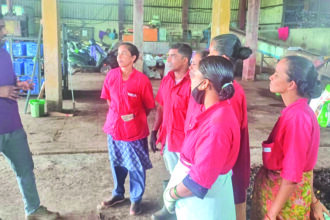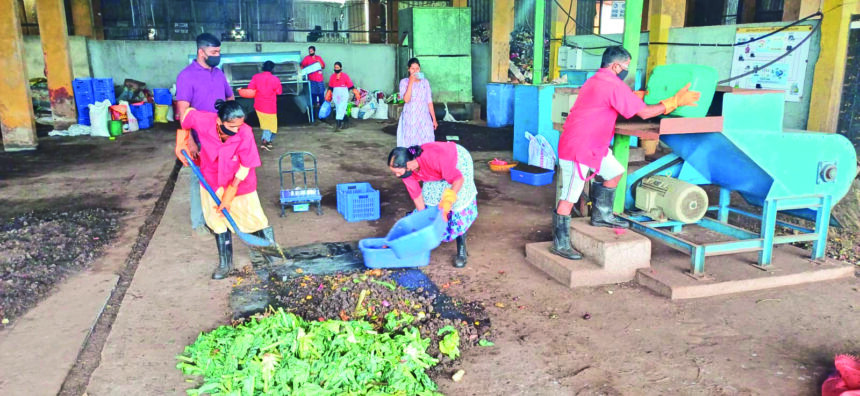
Waste collectors and segregators face severe daily hardships, including high health risks from toxic materials, low pay, lack of protective gear and deep social stigma. Despite these challenges, Goa’s sanitation army works hard to keep our streets clean without complaining. SHASHWAT GUPTA RAY finds out what drives them despite the hardships
Come hail, storm, heat, cold or any public holiday, the waste collectors and segregators across the State are at our doorstep every day without fail. This is despite the fact that we as a society tend to look down upon them and make their lives tougher by littering the streets they strive hard to keep clean. The only thing that keeps them going is their zeal to keep the capital city, towns and villages disease-free.

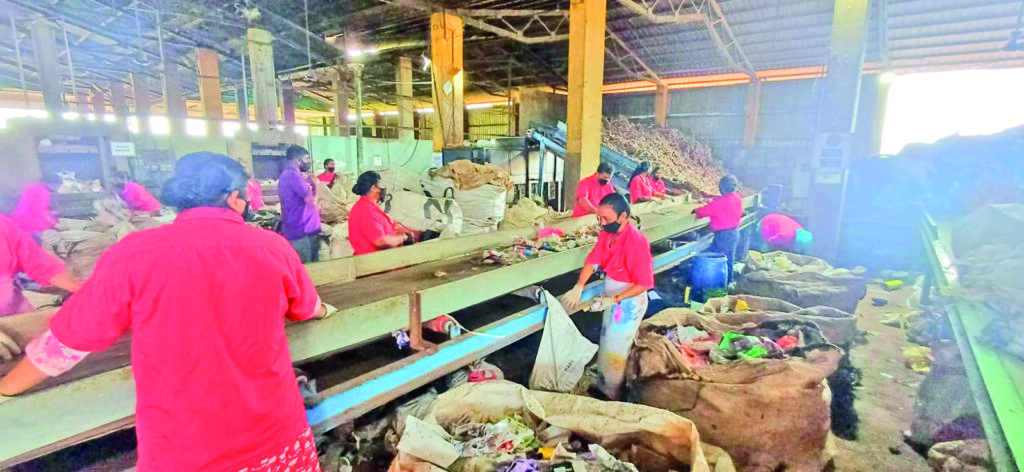
In return, they want respect and cooperation from the public at large and better salaries to help them survive also the garbage should be segregated at source into wet and dry waste.
Fifty-year-old Rama Gaonkar lives in Gaonkar Wada, Bicholim with his wife, three sons and younger brother. One of his sons is studying in the first year of college, another is pursuing ITI and the youngest is currently at home.
“My family is my biggest source of motivation, and I work hard to support them. Before joining the waste management sector, I worked as a water pump operator on a barge. I worked there for about four years, but I decided to leave because the working environment and management were not satisfactory. After that, I also worked on a ferry boat for some time,” Gaonkar said.
Then, nine years ago he joined the Bicholim Waste Segregation Facility. Initially, he worked as a waste segregation worker.
“Over the years, I learned many new skills through my work and the support of my team. I am happy here because my work not only helps me earn a livelihood for my family but also contributes to keeping our environment clean by ensuring that waste is managed responsibly. I hope to continue working with the same dedication and to keep learning new skills in the years to come,” he said.
Vidhya Vithu Tate has been working as a waste segregator for the past nine years, she starts her work at 8:30 am and ends at 5:30 pm.
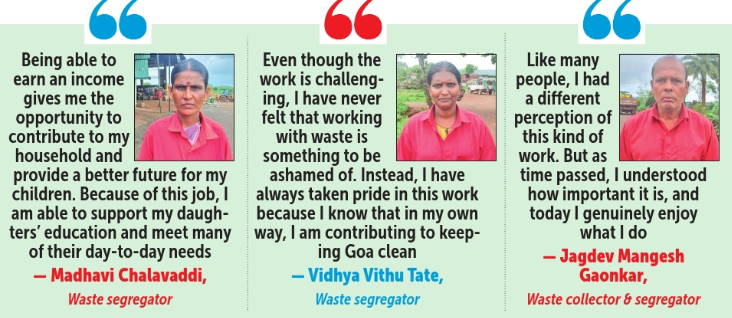
“Even though the work is challenging, I have never felt that working with waste is something to be ashamed of. Instead, I have always taken pride in this work because I know that in my own way, I am contributing to keeping Goa clean,” she said.
She has two sons and her biggest dream is to educate her children well for a better future and build a house for her family one day.
“I believe that waste collection and segregation workers deserve more respect from society because we handle the waste that everyone else throws away. Without our work, it would be much harder to keep our surroundings clean and healthy. I also hope that councillors and local authorities continue to support waste management workers by providing better facilities and recognising the important role we play in protecting our environment,” Tate said.
Jagdev Mangesh Gaonkar, 69, has been working in the waste management sector for the past six years.
“I first worked at the Pissurlem Waste Management Facility, and today I am working at the Harvalem facility, where I am mainly responsible for cloth segregation and related work. Like many people, I had a different perception of this kind of work. But as time passed, I understood how important it is, and today I genuinely enjoy what I do. I feel proud to be contributing to a cleaner environment,” Gaonkar said.
Over the years, he has noticed many positive changes in Goa regarding waste management facilities.
“There is a marked improvement over the years. The segregation process has become more organised, and the government has provided better infrastructure and support than before. These improvements have made our work more systematic and efficient,” he said.
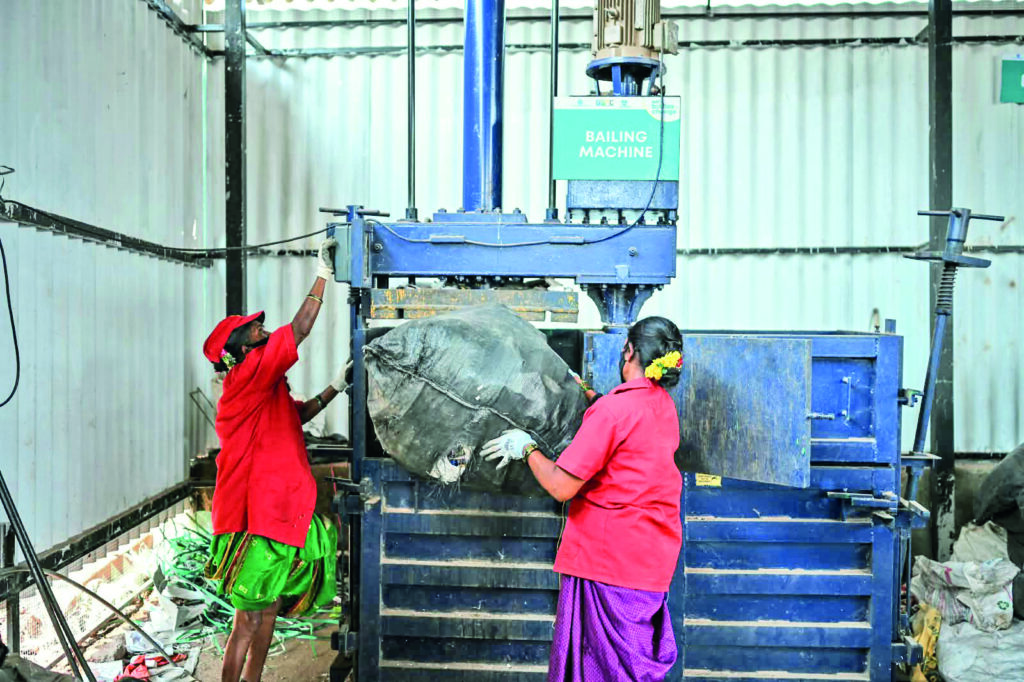
However, one thing that still concerns him is that many people continue to throw waste on roadsides and in open areas.
“No matter how good the facilities are, keeping Goa clean is everyone’s responsibility. I request people to store their waste properly at home, segregate it and dispose it only in the designated dustbins or through the proper collection system. Small changes in our daily habits can make a big difference,” he said.
“I am proud to be part of the waste management team, and I hope more people understand the value of our work. Together, by respecting waste workers and adopting responsible waste disposal habits, we can make Goa even cleaner and healthier for future generations,” he added.
Gurudas Gaonkar works as a waste collection worker and his daily responsibilities include collecting waste from households, scanning QR codes during collection and ensuring the waste collection process is carried out efficiently and systematically.
“Over time, this work has become a part of my daily life. At first, it was just a job, but today I genuinely enjoy doing it. I have become used to the routine, and I understand how important this service is for keeping our villages clean and healthy,” Gaonkar said, adding that he gets the support of his family and peers for his work.
“Their encouragement motivates me to continue serving the community with dedication. But one thing that makes me feel disappointed is seeing people throw waste on roadsides or in open places. We work hard every day to collect waste properly, so it is disheartening when some people ignore their responsibility,” he added.
Madhavi Chalavaddi, originally from Karnataka, chose this job because she wanted to support her family and fulfill their needs.
“Being able to earn an income gives me the opportunity to contribute to my household and provide a better future for my children. Because of this job, I am able to support my daughters’ education and meet many of their day-to-day needs. It also allows me to spend a little on myself whenever necessary, which gives me a sense of confidence and independence,” she said.
Although she has faced negative opinions about her work, she has never let those opinions affect her morale.
“I do not worry about what others say. I know that my work is honest, meaningful, and beneficial to society. That is why I am proud to do it every day,” she said.