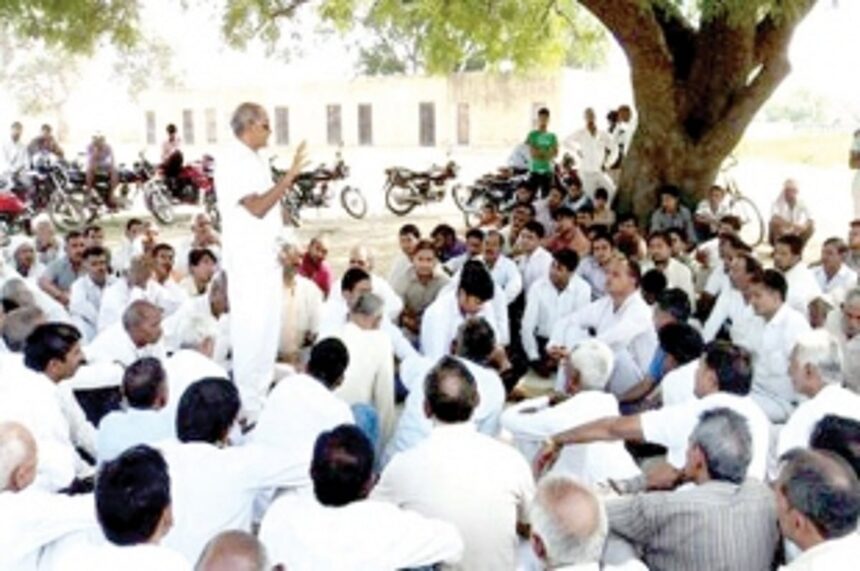
Gandhi ones said, “Panchayat Raj represents true democracy realized. We would regard the humblest and the lowest Indian as being equally the ruler of India with the tallest in the land”. Maybe Goans don’t yet accept that they are equal to the people they elect which is why in spite of being highly educated, Goans are shying away from demanding the power of self governance that is rightfully theirs.
The Panchayats are the third tier of governance. However, the successive government in Goa have suppressed the potential of these bodies by not bringing in the reforms needed to make these local bodies independent, self-reliant, autonomous, accountable and corruption free.
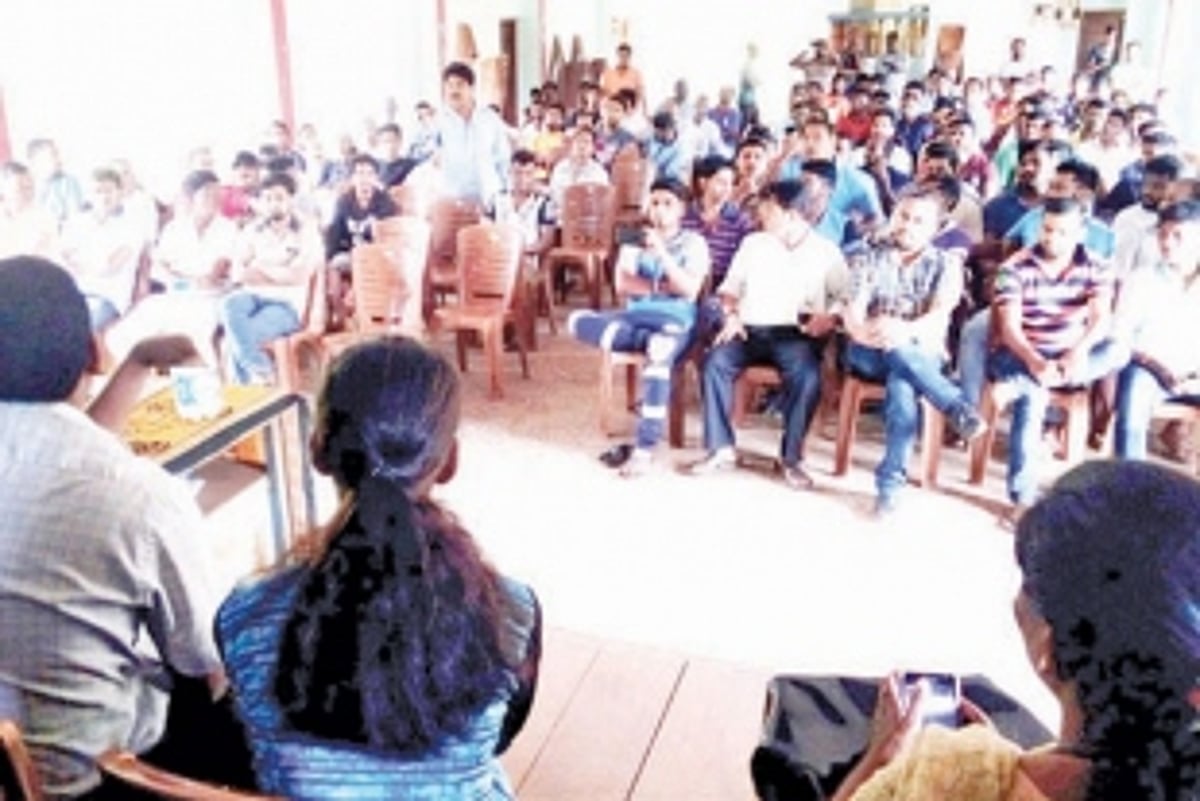
On Friday, a delegation of the Goa Panchayati Raj Institution raised the issue of devolution of powers once again by visiting the Director of Panchayat Ajit Panchwadkar and asked him for the reason behind the Government’s failure in empowering the Panchayats.
The question really is, does the government have the will to bring in Panchayati Raj reforms and do they understand the scale of the reforms and the positive impact it can have on the economic and social development of the State?
Herald brings an insight into how far behind Goa is in terms of Panchayat reforms by comparing it to other States, particularly Kerala which shares similar demographics, literacy rates and other social indicators, based on the how much powers have been devolved to the local bodies, the e-governance initiatives, and their grievance redressal institutions
Devolution of powers and responsibilities
As with many other Indian States, the Government of Goa, since liberation, preferred centralising powers and responsibilities by allocating them to various departments. The departments thus became very strong and even carved out exclusive spheres for their activities. By fencing their turf, they created walls between domains which often overlap, such are Rural Development and Agriculture department, where they compete for funds and implement project without really analysing the overall impact, efficiency and duplicity of works.To complicate matters, each department was further divided by creating Boards, Corporations, Authorities, Agencies and Societies. This has hampered developmental governance by stretching and dividing resources while reducing transparency.The original concept of concerted action for community development, which was envisaged in the Constitution of India in the 73rd amendment, and introduced through the Block system was ignored. In this scenario, Village Panchayats and Urban Local Governments were pushed to the margins and naturally atrophied.
Committee on Decentralization of Powers had made several recommendations for devolution of powers, with Autonomy being the topmost recommendation. In order to devolve powers, every Panchayat must be given Functional Autonomy, Financial autonomy and Administrative autonomy. The process of participation must not be limited to mere information giving or consultation.
In Goa, there have been attempts to reduce the powers of the Panchayats and Gram Sabhas. One example is the banning of Any Other Business or AOBs in the Gram Sabhas. Government authorities have been overriding the decisions of the Panchayat body and Gram Sabha claiming that they are not binding or bringing in legislation such as the Investment Promotion Act which allows the government to override any decision of the Panchayat or Gram Sabha
In spite of this, the Gram sabhas have not given up on the Panchayat Raj System. The recent months, the Village Development Committees have been working hard to prepare a Village Development Plan. However, their efforts won’t achieve success entirely unless other Acts such as the Town and Country Planning Act, the Land Revenue Code, the Education policy, the industrial policy etc are amended.
In contrast, the No 1 State in India, Kerala, has made path-breaking amendments to 42 Acts dealing with subjects which are in the functional domain of local governments. This decision was taken to make it clear that local governments are not just the creatures of the Panchayati Raj and Municipality Acts; but they are entitled to legal space in all legislation having something to do with their functions, thus becoming the third tier of governments below the Central and State Governments.