VASCO: The Chief Scientists Biological Oceanography from National Institute of Oceanography (NIO) Dr Baban Ingole has claimed the Shelly deposits of windowpane oyster found during the excavation of hill portion for road widening would be 2000 years old and indicates the level of sea was higher during that time.
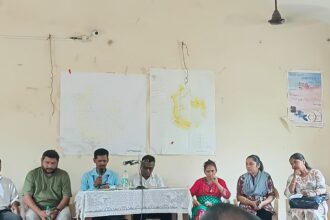
Speaking to reporters after inspecting the site along with concerned village group members from Chicalim village on Sunday, Ingole said that “Though the oyster deposits were found 200 meters away from the tide and above 10 meters height from present tide, however the marine sediments in the red soil indicates that 2000 years ago the fishery in the Chicalim bay was lavish during that era
“After visiting the site we found extensive deposits of windowpane oysters and other shell deposits along the hillside at Chicalim. These shells of windowpane oyster must be 2000 years old. The site where these windowpane remains of oyster have been found indicates that at that time the tide used to touch the hill at Chicalim during high tide. This is also indicates that the fishery of windowpane oyster in Chicalim at that time was lavish with people in that era were consuming windowpane oyster as well as all other clams extensively. Even today such windowpane oyster and clams are found here because Chicalim bay is a breeding ground for the endangered windowpane oysters” he said.
Speaking further, he said that “It is now very important to know that what the conditions with respect to the environment at that time and to compare the same with present condition today. Today thousands of people from Chicalim and Sancoale are dependent on these clams, windowpane oyster, crabs etc. Therefore we collectively need to see to it that these resources are available in the future” he told.
Meanwhile Cyril Fernandes from Chicalim who first discovered the extensive fossil of windowpane oysters and other shells buried along the hillside at Chicalim have demanded that the state government should come forward and make attempts to conduct a proper study on deposits of windowpane oyster found at Chicalim hill.