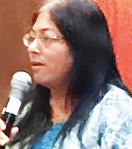
In a blistering cri tique of current planning practices, former Chief Jus tice of the Allahabad High Court and retired judge of the Bombay High Court, Jus tice Ferdino Rebello, has demanded an immediate halt to all land-use change permissions granted un der Section 39-A of the Goa Town and Country Planning Act and the reopening of all files already cleared under the provision. As convenor on behalf of the people of Goa who have adopted a 10-point charter, Justice Rebello, in a strongly worded letter to the Chief Town Planner (Planning) and the Town and Country Plan ning Board, dated February 6, termed Section 39-A — in serted through Amendment Act No. 3 of 2024 — as “man ifestly arbitrary” and alleged that it enables illegal con version of agricultural and comunidade lands under the guise of planning approvals. Section 39-A empowers the Chief Town Planner, with government direction and board approval, to alter the Regional Plan or Outline Development Plan for land zoning changes, subject to a 30-day public notice and a condition that eco-sensitive lands are excluded. Justice Rebello argued that sub-section (2), which states that such alterations should not change the overall char acter of the plan, is a “colour able exercise of legislation” meant to legitimise other wise illegal conversions. Citing official figures, he stated that 423 applications seeking zoning changes for over 31.54 lakh square metres have already been filed under Section 39-A, with 163 final notifications issued for nearly 12.7 lakh square metres of land. He traced Goa’s legislative history to underline that suc cessive laws — including the Goa Agricultural Tenancy Act, 1964, the Goa Land Use (Regulation) Act, 1991, and the Goa Restrictions on Transfer of Agricultural Land Act, 2023 — were enacted specifically to prevent the conversion of agricultural land, particularly paddy fields, to non-agricul tural use. He contended that recent amendments to the Town and Country Planning Act, including Sections 17(2) and 39-A, undermine these protections despite Regional Plans having attained finality. A substantial portion of the letter focuses on comuni dade lands, governed by the Code of Comunidades and the Portuguese Civil Code. Justice Rebello explained that most comunidade lands were historically granted for agriculture, horticulture or paddy cultivation through short-term leases, long-term leases or emphyteusis, and that such lands later came un der the protection of tenancy laws. Referring to Article 31-A of the Code of Comunidades, inserted in 2025, he emphasised that land granted by a co munidade for a specific purpose — whether by sale, lease, emphyteusis or licence — cannot be used for any other purpose, notwithstanding any provisions of the Town and Country Planning Act or other laws. Any misuse, he warned, would legally result in reversion of the land to the comunidade. Justice Rebello also highlighted what he described as the misuse of revenue records and false declarations by ten ants, landlords and builders to erase tenancy history re flected in Form I and XIV and comunidade records such as Tombo I and Tombo II. Calling attention to the conflict between the 1991 Land Use Act and the 2023 Agricultural Land Act, he asserted that the non-obstante clauses in earlier legislation override any settlement zoning shown in Regional Plans, making the conversion of tenanted paddy fields illegal even if they fall within settlement zones. Justice Rebello called upon the planning authorities to re-examine all pending applications under Section 39-A until the provision is repealed, reopen and revoke all per missions already granted, issue a warning to all planning officials and board members that they lack jurisdiction to permit conversion of agricultural land, initiate departmen tal inquiries and criminal prosecution against officials and board members involved in granting illegal permissions and circulate the letter to all Town and Country Planning Board members and regional planning bodies. He has cautioned that employees and board members who participated in granting such permissions could face legal consequences, noting that earlier scrutiny of appli cations under Section 17(2) had already revealed wide spread illegality
Justice Rebello’s new salvo: Halt land-use nods under 39-A now