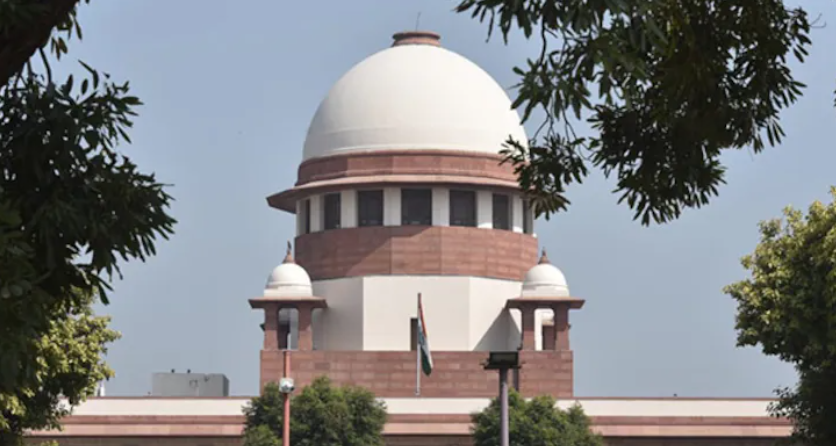
In a landmark judgment, the Supreme Court of India on Thursday ruled that every arrested individual must be provided the grounds of arrest in writing and in a language they understand, regardless of the nature of the offence or the statute under which they are detained.
The ruling, seen as a major step toward strengthening constitutional safeguards for personal liberty, clarifies that failure to furnish the written grounds of arrest at the time of arrest will not automatically invalidate the arrest, provided the written grounds are supplied within a reasonable period — and in any case, at least two hours before the arrestee is produced before a magistrate for remand proceedings.

The verdict was delivered by a bench comprising Chief Justice B.R. Gavai and Justice Augustine George Masih in the case of Mihir Rajesh Shah vs State of Maharashtra, which stemmed from the high-profile car hit-and-run case in Mumbai in July 2024.
Authoring the 52-page judgment, Justice Masih emphasised that the constitutional guarantee under Article 22(1) — which mandates that an arrested person must be informed “as soon as may be” of the grounds of arrest — is not merely a procedural formality, but a vital safeguard of personal liberty.
The court’s decision is expected to have far-reaching implications for law enforcement and criminal justice processes across India, ensuring greater transparency and accountability during arrests.
(This story is published from a syndicated feed)