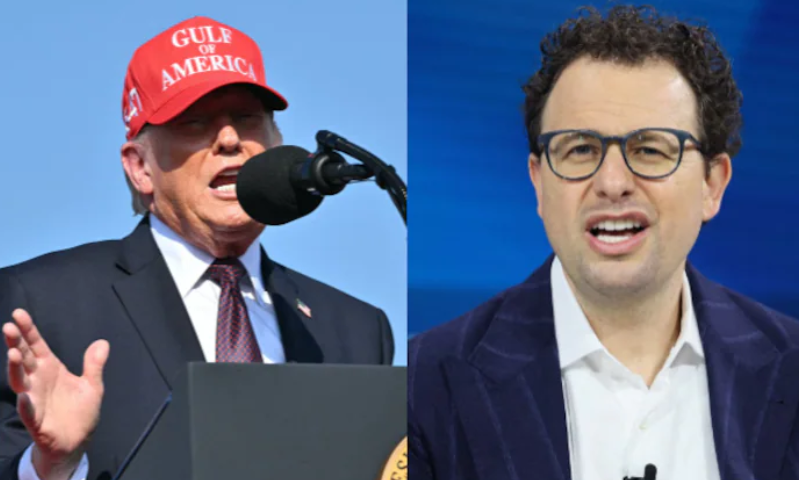
US President Donald Trump on Friday directed all federal agencies to stop using artificial intelligence technology developed by Anthropic, following a high-profile disagreement between the company and the United States Department of Defense over AI safety and military access.
The announcement came just over an hour before the Pentagon’s deadline for Anthropic to grant unrestricted military use of its AI systems or face potential consequences. The move also followed a statement made nearly 24 hours earlier by Anthropic CEO Dario Amodei, who said the company “cannot in good conscience accede” to the Defense Department’s demands.

In a strongly worded statement, Trump said that most federal agencies must immediately discontinue the use of Anthropic’s AI technology. However, he provided the Pentagon with a six-month window to phase out systems already integrated into military platforms.
“We don’t need it, we don’t want it, and will not do business with them again!” Trump wrote.
AI Safety vs National Security Concerns
At the center of the dispute is a broader debate over the role of artificial intelligence in national security operations. The Defense Department reportedly sought unrestricted access to Anthropic’s AI tools, raising concerns within the company about how increasingly advanced AI systems could be deployed in sensitive and high-risk scenarios.
The contract disagreement highlighted fears related to the use of AI in lethal force decisions, handling classified information, and expanding government surveillance capabilities. Anthropic has positioned itself as a company focused on AI safety, and Amodei’s refusal underscored the ethical tensions surrounding military applications of emerging technologies.
The development marks a significant moment in the ongoing debate over AI regulation, defense partnerships, and the balance between technological innovation and national security priorities.
(This story is published from a syndicated feed)