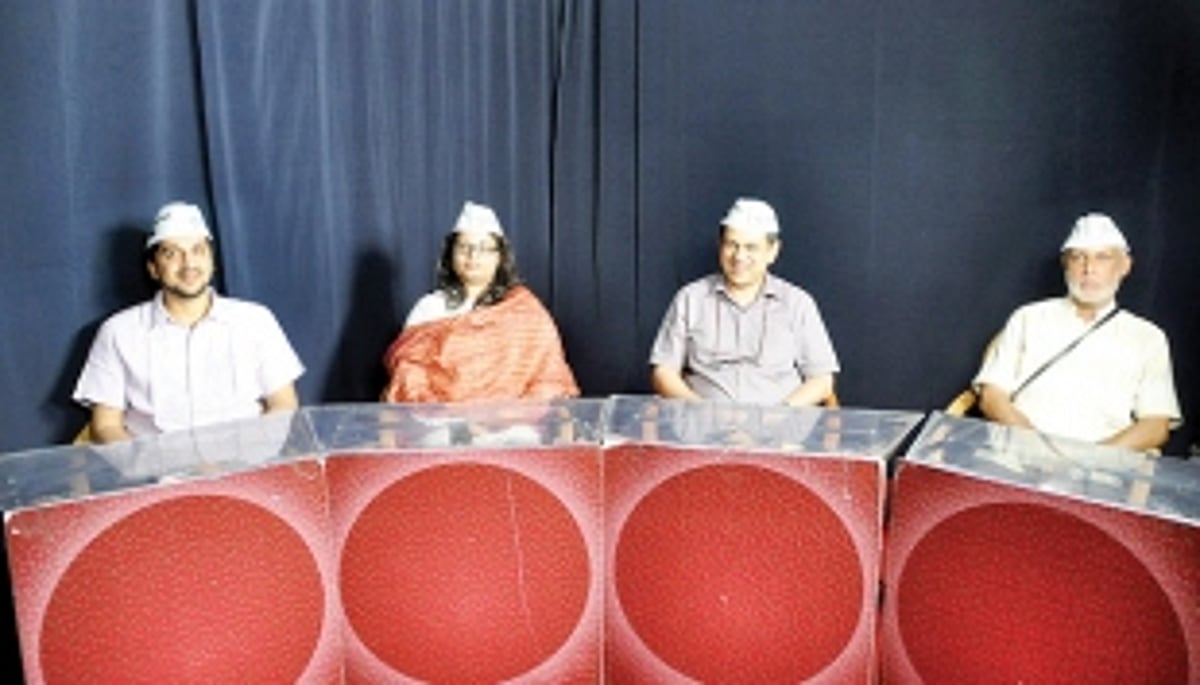
Herald: Can you tell us about the AAP campaign in Delhi? How did you become a part of AAP and the whole Delhi movement?
Suhani: I was with AAP since the Anna andolan. I was in Goa, went to Gujarat and was part of Kejriwal’s Varanasi campaign, although it was a bit of a disappointment there as we didn’t get the numbers. I have been with the party right through and am very passionate about it. I was in Delhi for close to 15 days against the backdrop of a huge media influence, when you land in Delhi, the feeling sinks in that this is not what you see on TV. People work very hard at the ground level.
Herald: Did you see a difference between the previous AAP victory and this win?
Suhani: I wasn’t there in Delhi during the first win so I wouldn’t be able to fathom the situation then. But this time around, I was right there. The major factor I would say is AAP has been working since the last 10 months on the ground. People may see the last two to three months, but APP workers have been working very hard and moving door-to-door for long. It was a very positive campaign. An entire team of IIT students handling the social media, the songs, the slogans. All of that you could see on the streets of Delhi. There were these face-offs with the BJP workers. But again you could feel the difference – a difference between a paid volunteer and a worker who speaks his heart out. This was out in the open in Delhi. Towards the latter part of the campaign, we could feel the support building up as the days went by. There were more people coming forward, the intensity of the campaign grew manifold. Coupled with the many mistakes BJP made, it made life a little easier.
Herald:Did APP go door-to-door with a report card? On the money spent and where it is spent. We hear a lot of stories that APP went to the people and told them how the finances were spent.
Suhani: It’s not happening only this time. It’s been happening all the time. Even during the earlier 49-day government, the report card was with the people. This time around, the three winning things were: electricity prices will be cut by almost half, free water, zero corruption. Issues of power and water are two issues that are top on the priority list of the common man in Delhi.
Herald:Coming to Goa, the challenge basically is to involve young people. The youth who are not necessarily part of any political party. People like you have a huge role to play, especially with the kind of connect you have with people of that age group. What do you think needs to be done specifically to convert this thought into action?
Suhani:AAP has done very good in opening up for the youth. Take my example. I being apolitical had never wanted to get into politics, but find myself very happy in doing what I am doing.
Herald:How do you inspire people in Goa to do it?
Suhani: Any individual, youth or adult for that matter, would like to get into any party where he is being heard. AAP is the only party where you are heard. You go the BJP or the Congress, nobody is going to hear you. There are big scale people out there. The philosophy of AAP is that everyone is going to be heard. Secondly it has opened the doors for the youth and today AAP has won because of the youth.
Herald:Who wrote this song – Panch Saal Kejriwal?
Suhani: It’s Vishal Dadlani. He is the singer, composer, writer. He was out there and he connects with the youth as well. We were the first political party that went about doing concerts, rather than a political jan sabha, as part of the campaign. You could see Vishal singing while I performed magic on stage. The youth was going ga-ga over there. We thank Vishal for the lyrics and the tune which helped so much on the ground for people to increase their enthusiasm. I think we should do the same thing in Goa. It’s a new trend in politics that has come up.