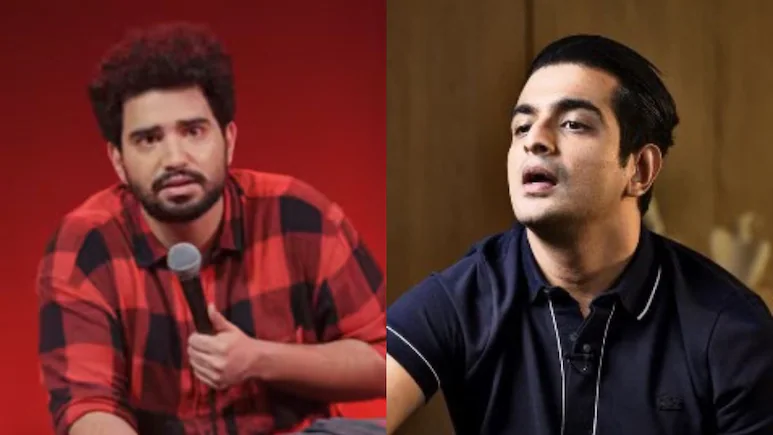
The controversy erupted in February 2025 after Ranveer Allahbadia appeared on comedian Samay Raina’s YouTube show India’s Got Latent and made an obscene remark involving parents and sex.
The comment triggered widespread criticism and led to complaints and FIRs in Maharashtra, Assam and other jurisdictions. The cases alleged the use of obscene, indecent and offensive language.

Allahbadia subsequently approached the Supreme Court, seeking protection from arrest and relief from the multiple criminal proceedings arising from the episode.
The court initially granted him interim protection from arrest while observing that freedom of speech could not be treated as an unrestricted licence to make remarks that crossed accepted standards of decency.
Supreme Court Places Restrictions on Allahbadia
During the proceedings, the Supreme Court temporarily restricted Allahbadia from publishing content. The restriction was later eased, allowing him to resume The Ranveer Show, subject to an undertaking concerning morality and decency.
The court also took into account Allahbadia’s submission that the podcast was his principal source of livelihood and that hundreds of people depended on the programme for employment.
The proceedings took another turn in March 2025 after Raina referred to the case during a performance in Canada. He reportedly joked about the audience having paid his lawyer’s fees.
The remark drew a sharp response from the Supreme Court. During a March 3 hearing, Justice Surya Kant warned Raina against taking the proceedings lightly or publicly discussing matters pending before the court.
Disability Remarks Bring Fresh Legal Battle
The litigation later expanded beyond the original episode after allegations surfaced that Raina and other comedians had made derogatory remarks about persons with disabilities and people suffering from rare genetic disorders.
The Cure SMA Foundation approached the Supreme Court, arguing that such content demeaned persons with disabilities and violated their dignity.
In May 2025, the court issued notices to Raina and four other comedians and directed them to appear personally. The bench stressed that speech intended to demean or denigrate a class of people could attract legal scrutiny.
The court subsequently directed Raina and the other comedians to publicly display unconditional apologies on their platforms.
Court Orders Social Responsibility Measures
The proceedings eventually moved beyond the question of punishment. In November 2025, the Supreme Court directed Raina and the other comedians to use their platforms to highlight the achievements of persons with disabilities and help generate awareness and funds for children suffering from rare disorders.
The court viewed the exercise as a form of social responsibility rather than merely a punitive measure.
However, the matter returned to the Supreme Court in July 2026 after allegations of non-compliance with its earlier directions.
On July 14, the bench imposed a ₹3 lakh fine each on Raina and four others after being informed that the directions concerning participation of persons with disabilities in their programmes had not been properly followed.
FIRs Now Quashed
The latest Supreme Court order brings a significant criminal-law chapter of the India’s Got Latent controversy to a close.
The case had evolved from a dispute over an offensive remark into a broader examination of free speech, online content, public morality and the dignity of vulnerable communities.
For Raina and Allahbadia, the quashing of the FIRs provides relief from criminal proceedings that had continued for more than a year. At the same time, the case has highlighted the growing legal scrutiny faced by digital creators whose content can reach millions through social media platforms.
The controversy has also raised wider questions over how India should balance freedom of expression with restrictions on obscene, degrading or harmful content without allowing regulation to become a means of suppressing legitimate speech.