Shashwat Gupta Ray
After having found presence of hazardous microplastics (MPs) on the sea beaches of Goa in its earlier studies, a latest research by the National Institute of Oceanography (CSIR-NIO) has found high amount of MPs in sewage generated from across Panjim, thus showing that urban waste-water is one of the key routes for MPs to enter the water bodies from land. This latest study is authored by a group of scientists led by Senior Principal Scientist, Department of Chemical Oceanography, CSIR-NIO, Dr Mahua Saha.
KEY FINDINGS
→ The study identified sources of plastic particles/microbeads in routine household activities, especially synthetic textile generated microfibres and personal care products

→ It confirmed sewage as a key travel route from land to the aquatic environment
→ Advanced treatment process in the wastewater treatment plants might improve removal of MPs considerably
It has been published in the peer-reviewed journal ‘Science of the Total Environment.
“Microplastics are now documented worldwide, but cities need local evidence to understand type of everyday activities which are contributing to sewage microplastics and what kinds of polymers are moving through the sewer-STP-outfall pathway. Most early work focused on beaches/oceans; fewer studies quantified urban waste-water sources and linked them to specific land-based contributors. This study filled that gap in studying land-based MPs along our Goa coastal ecosystem,” NIO study reports.
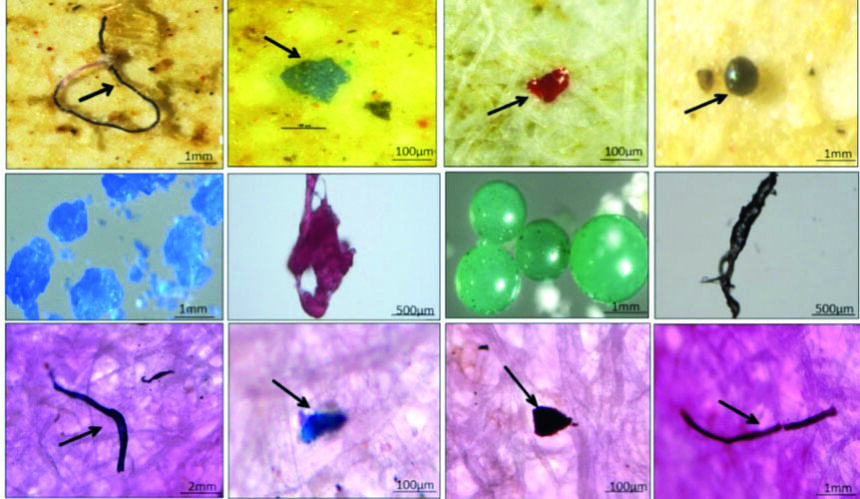
The study quantified microplastics in city wastewater and compared them with major land-based inputs (e.g. us-age of personal care products and washing machine effluent), and identified the respective polymer even in smaller size microplastics detected through high precision instruments like micro-FTIR. This turns the discussion from ‘microplastics are present’ to ‘where they are coming from and why they persist through conventional systems. As the initial study in wastewater samples found signatures of micro beads and fibre-type microplastics signature, the need was felt to determine their exact sources for which samples of personal care products (PCPs) and washing machine effluents containing textile fibers were selected, as mentioned in the NIO study.
“Polymer characterisation and polymer matching were performed between the microplastics detected in waste-water and those extracted from washing machine effluents and selected personal care products (PCPs). Based on this polymer matching, washing machine effluents and PCPS were therefore suspected to be the primary sources of the beads and fibres observed in the wastewater,” the study stated.
The study therefore identifies sources of plastic particles/microbeads in routine household activities, especially synthetic textile generated microfibers and persona care products, which are consistent with global literature showing textiles and PCPs are key household contributors to wastewater MPs. “Advanced treatment process in the wastewater treatment plants might improve removal of MPs considerably, the study mentioned.
While urging people not to panic about MPs, Dr Saha said that the current scientific evidence did not suggest immediate or acute health effects for the general population. In conclusion, MPs deserve attention due to their long-term and cumulative nature, not because of short-term toxicity. The study mainly focused on improving water and wastewater management, reducing unnecessary plastic use, and strengthening scientific research, she said.