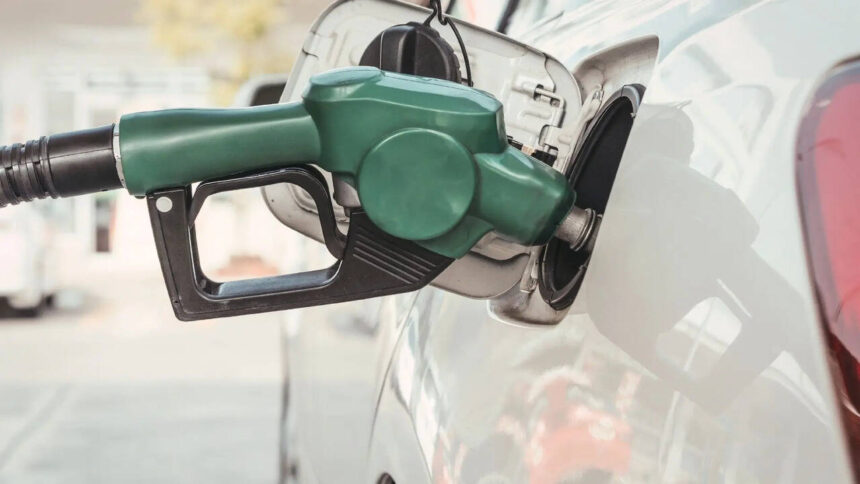
India’s fuel reserves are steadily increasing despite rising tensions in the Middle East, and the government currently has no plans to raise retail prices of petrol and diesel. According to a report by Reuters citing government sources, the country’s petroleum stocks are growing “day by day,” helping cushion India against potential supply disruptions linked to the ongoing conflict in West Asia.
The reassurances come as the Israel–Iran conflict continues to disrupt global oil supply chains and shipping routes. Rising geopolitical tensions have triggered volatility in energy markets and increased concerns about possible shortages.

Sources also indicated that India may consider purchasing liquefied natural gas from Russia if such supplies are made available. The option has become feasible after the United States granted a temporary 30-day waiver allowing refiners to purchase certain Russian crude cargoes that were previously stranded at sea.
Meanwhile, Indian Oil Corporation has reportedly booked multiple crude oil shipments from Yanbu, a key energy export terminal in Saudi Arabia. These additional purchases are expected to strengthen India’s energy security during the ongoing crisis.
Despite uncertainty in international markets, officials have stated that there are no immediate plans to raise the retail prices of petrol and diesel.
LPG Prices Increase Amid Rising Energy Costs
While petrol and diesel prices remain stable, domestic cooking gas prices have increased due to higher global energy costs. The price of a household LPG cylinder has been raised by Rs 60, while commercial LPG cylinders have become costlier by around Rs 115.
Following the revision, the price of a 14.2 kg non-subsidised LPG cylinder used by most households has increased to Rs 913 in Delhi, according to data from Indian Oil Corporation. The revised price came into effect on March 7.
Global Energy Markets Under Pressure
The escalating tensions in West Asia have already pushed international crude oil prices above $90 per barrel. Analysts warn that even if the conflict eases quickly, damage to infrastructure, disrupted shipping routes and increased security risks could keep energy prices elevated for weeks or months.
Key maritime routes such as the Strait of Hormuz have faced disruptions, affecting a major share of global oil and gas flows. Countries heavily dependent on Middle East energy supplies, particularly in Asia, are already experiencing rising import costs and growing uncertainty in supply chains.