Advice for countries like INDIA where novel Coronavirus has not been transmitted
Temperature screening at
entry is done which can help in early detection of symptomatic passengers and
their referral for medical follow up.

Trained staff and appropriate
equipments are available at points of entry for assessing and managing ill
travelers detected before travel, on board conveyances (such as planes and
ships) and on arrival at points of entry.
India- Public health
emergency plan needed, in anticipation of possible entry
-Develop a public health emergency plan in anticipation for
possible further spread of the disease outbreak
-Strictly apply surveillance measures at entry points,
infection prevention and control measures at health care facilities
-Provide necessary personal protective equipment to prepare
for a potential outbreak
———————————————————————————————–
VITAL- STAT
3,552 passengers arriving in 155 flights
from China have been screened till Monday.
WHO
guidelines for healthcare workers (HCWs)
HCWs to have
a high level of clinical suspicion;
• establish
a well-equipped triage station at the entrance of health care facility,
supported by trained staff; •
• post signs
in public areas reminding symptomatic patients to alert HCWs.
Ensure that the following respiratory
hygiene measures are used:
• ensure that all patients cover their nose
and mouth with a tissue or elbow when coughing or sneezing; • offer a medical mask
to patients with suspected 2019-nCoV infection while they are in waiting/public
areas or in cohorting rooms;
• perform
hand hygiene after contact with respiratory secretions. HCWs should apply the
WHO’s My 5 Moments for Hand Hygiene approach before touching a patient, before
any clean or aseptic procedure is performed, after exposure to body fluid,
after touching a patient, and after touching a patient’s surroundings.5
• hand hygiene includes either cleansing hands with an
alcohol-based hand rub (ABHR) or with soap and water; Infection prevention and
control during health care when novel coronavirus (nCoV) infection is
suspected:
Team of HCWs should be designated to
care exclusively for suspected or confirmed cases to reduce the risk of
transmission:
• HCWs
should use a medical mask
• HCWs
should wear eye protection (googles) or facial protection (face shield) to
avoid contamination of mucous membranes; • HCWs should wear a clean,
non-sterile, longs leeved gown; • HCWs should also use gloves; • the use of
boots, coverall and apron is not required during
These are
excerpts. For the complete guidelines go to this link: ( https://www.who.int/publications-detail/infection-prevention-and-control-during-health-care-when-novel-coronavirus-(ncov)-infection-is-suspected-20200125
2019-Novel Coronavirus
The rising number of cases and deaths caused by an outbreak
of a novel (new) Coronavirus (termed “2019-nCoV”) in China and other countries internationally
is a concerning global situation and there is a high risk of further expansion
of these cases to other countries.
In view of close proximity to China and high international
traffic, India requires to stand for an utmost preparedness to prevent the
cases and transmission. Therefore, the general public needs to know regarding
novel Coronavirus and diseases caused by them. The current article is an
overview of the Wuhan Coronavirus outbreak and measures to be taken by public
to prevent the spread.
Coronavirus
and their strains:
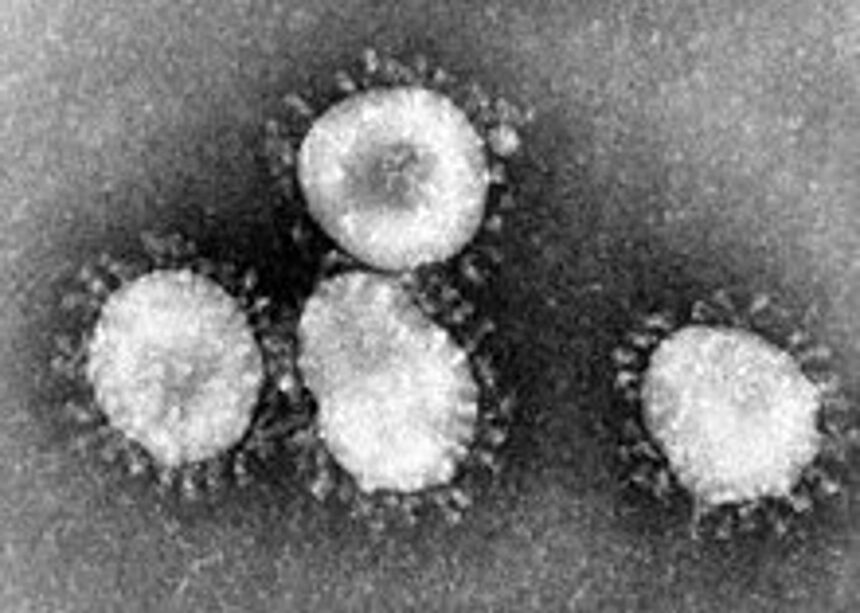
Coronaviruses (CoV) are a large family of viruses that cause
diseases in mammals and birds like diarrhea in cows and pigs and upper
respiratory disease in chickens. In humans, the virus causes respiratory infections, which can range
from common cold to severe respiratory illness.
6 strains of coronaviruses were known
till date including the dangerous zoonotic
SARS-associated
Coronavirus (SARS-CoV) and The Middle East respiratory syndrome Coronavirus
(MERS-CoV). SARS-associated Coronavirus
outbreak showed that animal corona viruses have the potential to cross from
other species to humans, with devastating effects. The one major epidemic to
date (November 2002 through July 2003) was of SARS-CoV which included more than
8000 cases, with mortality rates of upto10%.
The Middle East respiratory syndrome Coronavirus
(MERS-CoV), isolated in 2012, caused severe disease in humans, with 35%
mortality. Detailed investigations found that SARS-CoV was transmitted from
civet cats to humans and MERS-CoV from dromedary camels to humans.
2019 Novel Coronavirus,
or 2019-nCoV
On 31 December 2019, the seventh new strain, which is a
novel strain of Coronavirus, officially designated as 2019-nCoV
by the World Health Organization (WHO), was
reported in Wuhan,
China.
This outbreak was identified around mid-December 2019 in Wuhan city in central China
when a cluster of people contracted pneumonia
with unknown cause. A majority of the earliest cases were directly associated
with stallholders who worked at the Huanan Seafood Wholesale Market,
which sold fish, chickens, pheasants, bats, marmots, venomous snakes,
spotted deer and the organs of rabbits and other wild animals .
The exact origin of the virus has not yet been found. The
genome is 70% similar to the SARS genetic structure, though whether this virus
is of the same severity as SARS is unclear.
Situation update, as
per different agencies
WHO Official report as
of January 23: A
total of 581 confirmed cases have been reported for novel coronavirus
(2019-nCoV) globally; • Of the 581 cases reported, 571 cases were reported from
China;
National health
Commission of the People’s Republic of China
As of 24:00 on
January 27, there are
–4,515 confirmed cases of people struck with the virus
106 cases of deaths,
In addition there are
6973 suspected cases.
Confirmed cases have been reported outside of China in countries like Thailand,
South Korea,
Japan,
Taiwan,
Macau,
Hong Kong, United States
of America, Singapore,
Vietnam,
France,
Nepal,
Australia,
and Malaysia.
Mode
of Transmission
Not
enough is known about the full clinical features of disease, the intensity of
the human-to-human transmission, and the original source of the outbreak. The Wuhan outbreak’s association with a large seafood
and animal market has led to the hypothesis of the illness having an animal
source. New epidemiological evidence says that the 2019-nCoV can be transmitted
from one person to another. This person-to-person spread can happen on a
continuum as per our past experience with SARS virus.
During previous outbreaks due to MERS and SARS, human to
human transmission occurred through droplets, contact and fomites, suggesting that
the transmission mode of the 2019-nCoV can be similar. CDC does not have any
evidence to suggest that animals or animal products imported from China pose a
risk for spreading 2019-nCoV in the other countries.
Clinical illness
Symptoms of 2019-nCoV may appear in as few as 2 days or as long as 14
after exposure.
Symptoms include history of fever ≥38 C° and cough; onset within the
last 10 days; and requiring admission in hospital. However, the absence of fever does not
exclude viral infection. Patients with uncomplicated upper respiratory tract
infection may have non-specific symptoms such as fever, cough, sore throat,
nasal congestion, bodyache, headache, muscle pain.
Complicated respiratory tract infections can range from mild pneumonia
and bronchitis to severe pneumonia causing breathing difficulty and requiring
ventilatory support.
People of all ages with
chronic underlying conditions – diabetes, heart disease, kidney and liver
diseases ,cancer, asthma, obesity, Pregnant women, young children and elderly
>65years of age are considered at higher risk of severe disease.
Suspect
case
1. Patients with severe respiratory infection and with a
history of travel to or residence in the Wuhan city, Hubei Province, China in
the 14 days prior to symptom onset
2.
Patients
with any acute respiratory illness with
A.
close
contact with a confirmed case of 2019-nCoV in the 14 days prior to illness
onset, or
B.
visiting
or working in a live animal market in Wuhan, Hubei Province, China in the 14
days prior to symptom onset, or
C.
Attended a health care facility in the 14 days
prior to onset of symptoms where patients with hospital-associated 2019-nCov
infections have been reported.
Treatment
There is no specific antiviral treatment for 2019-nCoV
infection .People infected with 2019-nCoV should receive supportive care like
bed rest, increased fluid consumption to help relieve symptoms. Severe cases
may require hospitalization, antibiotics and other supportive measures
Vaccine
Currently no vaccine is
available against Wuhan Coronavirus. The best way to prevent infection is to
avoid being exposed to this virus.
Prevention
- Frequently
clean hands by using alcohol-based hand rub or soap and water; - Cover
your cough or sneeze with a tissue, then throw the tissue in the trash immediately
and wash hands; Avoid touching your eyes, nose, and mouth with unwashed
hands. Clean and disinfect frequently touched objects and surfaces - Avoid
close contact with anyone who has fever and cough; - If you
have fever, cough and difficulty breathing seek medical care early and
share previous travel history with your doctor. - When
visiting live markets in areas currently experiencing cases of novel Coronavirus,
avoid direct unprotected contact with live animals and surfaces in contact
with animals; - The
consumption of raw or undercooked animal products should be avoided. Raw
meat, milk or animal organs should be handled with care to avoid cross-contamination with
uncooked foods - Slaughterhouse
workers, veterinarians, market workers and those handling live animals and
animal products should practice good personal hygiene, including frequent
hand washing after touching animals and animal products
Prevention
Steps for Close Contacts
If you have
had close contact with someone who is confirmed to have, or being evaluated
for, 2019-nCoV infection, you should monitor your health starting from the day
you first had close contact with the person and continue for 14 days after you
last had close contact with the person. If
you develop fever or any of the respiratory symptoms, call your doctor and
inform directorate of health services immediately.
International travelers: practice
usual precautions
WHO
assesses the risk of this outbreak to be very high in China, high at the
regional level and moderate at the global level.CDC has issued at a Level 3
Travel Health Notice recommending people avoid all nonessential travel to Hubei
Province, China, including Wuhan. CDC has also issued a Level 1 Travel Health
Notice for the rest of China: Practice Usual Precautions. In case of
symptoms suggestive of acute respiratory illness before, during or after
travel, the travelers are encouraged to seek medical attention and share travel
history with the doctor
(Dr Chitralekha Nayak is an MD Internal
Medicine, ex senior resident Goa Medical College 8(GMC) and a Senior Consultant
at Healthway hospital)
—————————————————————————–