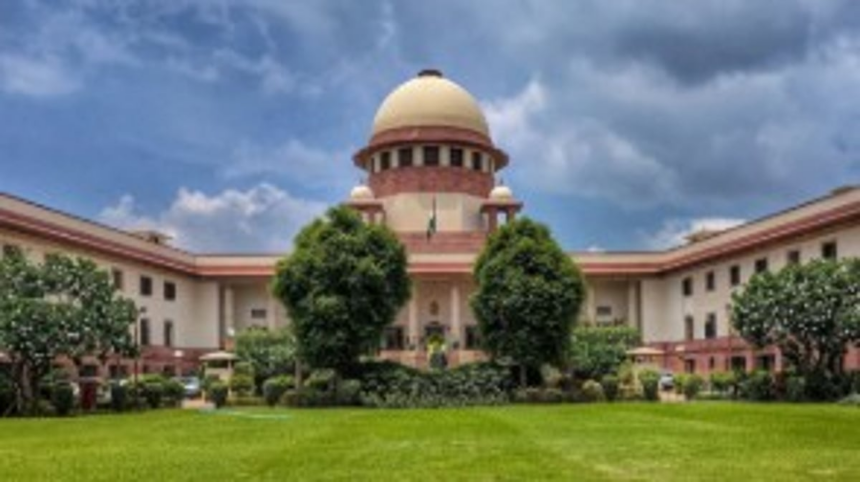
The Supreme Court has ruled that public figures holding high constitutional offices must not target any community based on religion, language, caste, or region. Justice Ujjal Bhuyan emphasized fraternity’s role in national unity, stating it’s “constitutionally impermissible” for anyone, state or non-state actors, to vilify communities through speeches, memes, cartoons, or art.
Fraternity as Constitutional Duty
Justice Ujjal Bhuyan, in his separate 39-page judgment, highlighted fraternity as a core constitutional value. “Fraternity serves as a critical element for national unity and social cohesion,” he wrote. The Preamble’s objective promotes brotherhood among citizens, respecting dignity regardless of caste, religion, or language. This constitutes a “constitutional dharma” for all Indians.

No Vilification Through Any Medium
The court declared it impermissible for State or non-State actors to vilify communities via speeches, memes, cartoons, or visual arts. Justice Bhuyan stressed this holds especially true for those in high constitutional posts who swear to uphold the Constitution. Targeting communities violates fundamental rights and national integrity.
Context: ‘Ghooskhor Pandat’ Film Plea
The ruling emerged from a plea challenging Netflix’s upcoming crime thriller ‘Ghooskhor Pandat’ by Neeraj Pandey. On February 19, the bench disposed of the stay request after recording the filmmaker’s affidavit. It urged closure to the controversy while balancing Article 19’s free speech with reasonable restrictions.
Balancing Free Speech and Rights
Justice Bhuyan affirmed Article 19’s liberty of thought and expression but cautioned against fanciful restrictions. Article 19 must not overshadow other rights, including dignity and equality.
(This story has been published from a syndicated feed)